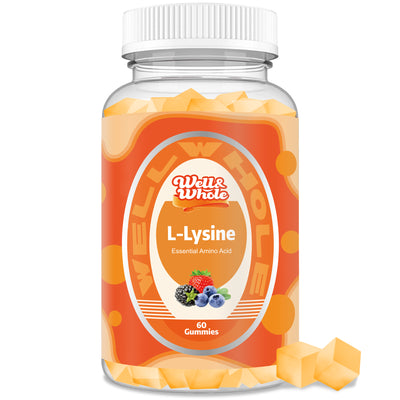
Gummies vs Capsules: Which Form Fits Your Routine

Neither gummies nor capsules is universally better — the right form depends on the nutrient, the dose you need, and, most importantly, the format you will actually take every day. Gummies win on ease of swallowing and taste; capsules win on dose density, stability, and fewer added extras. Here is how to decide for your situation instead of by vague rules of thumb.
Key takeaways
- Form matters less than taking the product daily — the best format is the one you will not abandon.
- Capsules pack more active ingredient per unit; gummies often need 2–4 pieces to reach a studied dose.
- Gummies have shorter shelf lives and can degrade faster with heat and humidity — check the expiration date.
- Meaningful absorption differences between forms are nutrient-specific and often overstated.
- Whichever you pick, read the supplement label for dose per piece, added sugars, and third-party testing marks.
What gummies do well
Gummies solved a real problem: some people genuinely cannot or will not swallow pills, and a supplement that never gets taken has a bioavailability of exactly zero. For large-population nutrients where the studied dose fits in a chewable — think modest-dose single nutrients — a gummy is not a compromise, it is the delivery design. They also suit travelers and anyone building a stack they can take without water.
The honest cost: gummies need binders, flavoring, and usually some sugar or sugar substitute to be pleasant. That is not automatically bad, but it limits how much active ingredient each gummy can hold, which is why doses are frequently spread across two or more pieces.
What capsules do well
Capsules are dense, cheap to scale, and stable. Minerals that simply do not fit pleasantly into a gummy — think of the milligram counts involved in magnesium products — arrive in two capsules instead of six gummies of added sweetness. Capsules also protect ingredients that degrade when exposed to air and moisture, which is why their potency tends to hold until the expiration date printed on the bottle.
The absorption question, honestly answered
Does one form absorb better? Sometimes marginally, and it depends on the nutrient — not on a universal law. Gummies dissolve readily, but some nutrients are unstable in the gummy matrix over time; capsules can protect fragile ingredients, yet certain minerals in capsule form benefit from being taken with food either way. Well-designed studies comparing forms usually find differences that are small next to the bigger variable: whether you take the product consistently at all. Any brand claiming dramatic bioavailability advantages for its form without citing form-specific trials is making a marketing claim.
How to choose: a label-first checklist
- Dose per piece vs studied dose: does the serving match what trials used, or is it a token amount dressed up as a supplement?
- Added sugar: check grams per serving, especially if the plan is two or more products in gummy form daily.
- Third-party testing marks: USP Verified or NSF Certified indicates independent verification of what is in the bottle.
- Expiration date: gummies age faster; buy sizes you will finish while potency holds.
- Structure-function framing: lawful labels say "supports," never "cures" — the FDA regulates that line under DSHEA, and it is a quick read on the brand's overall supplement quality standards.
The verdict
Pick capsules when dose density, stability, or low sugar matters — minerals, higher-dose products, once-daily routines. Pick gummies when the alternative is taking nothing at all, or when the nutrient and dose genuinely fit the format. When in doubt about how to choose a supplement format for a specific product, read the label first and the advertising never.
The sugar question, in context
Gummy critics fixate on sugar, and the concern is legitimate but easy to overstate. A typical two-gummy serving carries two to five grams of added sweetener — comparable to a sip of juice, hardly a dessert. The real issue is structural: sugar limits how much active ingredient fits, and a multi-gummy habit across several products quietly adds a daily candy-shaped line to your intake. If your whole routine is one or two gummy products at sensible doses, the sugar is a rounding error. If you are chasing three high-dose products in chewable form, capsules solve both the sweetness and the pill-count problem at once.
Storage and shelf life, briefly
Heat, humidity, and light are the enemies, and gummies surrender to them fastest — they can melt into a fused mass in a hot car or weep moisture in a steamy bathroom, and degraded nutrients will not announce themselves. Store everything cool and dry with the lid tight, keep bottles out of direct sun, and for gummies specifically buy container sizes you will finish within a couple of months of opening. Capsules tolerate imperfect conditions better, which is part of why travelers and anyone leaving a bottle in a desk drawer tend toward them.
Special cases worth knowing
Large-dose minerals — magnesium, calcium at meaningful milligram counts — are the classic capsule territory, since matching those numbers in gummies would mean a fistful of chews. Probiotics are the opposite edge: viability depends on formulation and storage more than form, so the label's guarantees matter more than the shape. And for anyone mid-flight or on the road, a no-water format beats a bottle you cannot open — which is why many people end up keeping both formats for different jobs rather than declaring one the winner.

Frequently asked questions
For nutrients where the full studied dose fits in the gummy serving, yes. The common failure mode is under-dosing: needing four gummies to reach what one capsule delivers, and stopping at two.
Do gummies lose potency over time?
Faster than capsules, generally. Heat and humidity degrade some nutrients in gummy form, which is why the expiration date deserves a glance — and why the bathroom cabinet is a poor storage spot.
Are capsules harder to absorb?
No broad rule supports that. Capsules dissolve quickly in the stomach, and form-specific absorption differences are usually small compared with simply taking the product consistently.
What should I check first on a supplement label?
Dose per serving against the studied dose, then added sugars for gummies, then independent verification marks like USP or NSF. Those three lines tell you more than any front-of-bottle promise.
Related supplements
If you want to explore this area, the Vitamins and Minerals collections cover the relevant supplements and formats.
These statements have not been evaluated by the Food and Drug Administration. This product is not intended to diagnose, treat, cure, or prevent any disease. Talk to a healthcare professional before starting any new supplement, especially if you are pregnant, nursing, taking medication, or managing a health condition.
These statements have not been evaluated by the Food and Drug Administration. This product is not intended to diagnose, treat, cure, or prevent any disease.