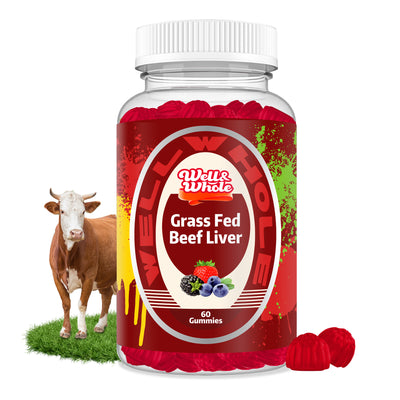
Grass Fed Beef vs Greek Yogurt

Grass fed beef and greek yogurt are not competitors — they solve different nutrition problems. A standard serving of lean grass fed beef delivers about 25 g of complete protein along with highly absorbable iron, zinc and vitamin B12; an equal serving of greek yogurt delivers 15–20 g of protein with calcium, iodine and live cultures, usually at a much lower cost per gram of protein. For most eating habits, the winning move is having both, each in the role it plays best.
Key takeaways
- Beef wins on iron, zinc, B12 and creatine; greek yogurt wins on calcium, iodine, probiotics and cost per gram of protein.
- Both are complete proteins; beef is slightly denser in leucine per 100 g, yogurt brings easier portioning.
- "Grass fed" changes the fat profile modestly — the bigger difference is how you cook and portion beef.
- As whole foods, both beat most processed snacks and powders on nutrient density per calorie.
- A practical dietary pattern includes both: beef 2–3 times weekly, yogurt most days.
Nutrition facts, side by side
Per typical serving — 85 g (3 oz) of 90% lean cooked ground beef versus 170 g (a standard cup) of plain 2% greek yogurt — the contrast is instructive. Beef: roughly 23–25 g protein, about 2–3 mg iron, 5–6 mg zinc, 2+ mcg B12, and meaningful creatine. Yogurt: roughly 17–20 g protein, 200–250 mg calcium, a meaningful share of daily iodine and B12, plus live bacterial cultures. Beef is the denser micronutrient package per gram; yogurt is the lighter, calcium-rich, everyday option with a lower calorie cost per gram of protein for many brands. Check the nutrition facts label rather than the front of the pack — serving sizes are chosen by marketers, and the standard serving is where honest comparison starts.
Protein quality and satiety
Both are complete proteins containing all essential amino acids. Gram for gram, beef edges ahead on leucine and total protein density, which matters if you are packing high protein intake into fewer calories. Yogurt's advantages are practical: it portions cleanly, digests easily, works in breakfast and snacks, and its semi-solid form is surprisingly satiating — dairy protein scores well on fullness per calorie. If your goal is a high protein target with minimal effort, yogurt at breakfast plus beef at dinner is a simple, effective structure that covers the day without shakes.
What "grass fed" actually changes
Grass-fed beef tends to carry a modestly better fat profile — somewhat more omega-3 and conjugated linoleic acid, and often slightly less total fat — though the absolute differences per serving are small in the context of a whole diet. The larger, more reliable levers are cut selection and cooking method: choosing 90%+ lean ground beef, trimming visible fat, and grilling, roasting or braising instead of frying changes the numbers more than the feed label does. Grass fed is a reasonable tiebreaker between otherwise equal products; it is not a reason to eat beef in unlimited amounts.
Cost, convenience, and cooking
Per 20 g of protein, plain greek yogurt is typically several times cheaper than beef — a real consideration for families. Yogurt also requires zero cooking and keeps for weeks, making it the default meal-prep staple. Beef rewards a little technique: batch-cook a lean roast on Sunday, portion it for lunches, and treat cheaper lean cuts with slow cooking methods that make them tender. Cost-per-protein comparisons only work at equal serving sizes, which is exactly where food labels mislead — do the math per gram of protein, not per package.
The verdict
This comparison is a false dilemma dressed up as a decision. Beef is your micronutrient-dense anchor meal; yogurt is your daily, budget-friendly, gut-friendly staple. Rotating both inside a whole-foods pattern beats ranking them — nutrient density across the week is what shapes health, not the winner of a single food showdown. If either is hard to fit on busy days, that is the gap a simple supplement can cover, not a reason to abandon the whole-food base.
One more angle worth naming: selection and safety. Buy beef from a source you trust, refrigerate it promptly, and cook ground beef to a safe internal temperature; choose yogurt with live cultures and minimal added sugar — the ingredient list should be short. Small selection habits like these quietly shape the health value of either food more than the grass-fed debate ever will.

Frequently asked questions
Is grass fed beef healthier than regular beef?
Modestly, mostly in fat profile — more omega-3 and CLA, often slightly leaner. The differences are real but small per serving; cut choice and cooking method move the numbers more than feed does.
Is greek yogurt a complete protein?
Yes. It contains all nine essential amino acids in solid ratios, which is why it competes with meat, eggs and whey as a protein source for everyday meals and snacks.
Which is better for weight loss?
Whichever fits your calories and keeps you full. Yogurt offers high satiety per calorie at low cost; lean beef offers density and strong satiety in small portions. Both work inside a calorie-controlled eating pattern.
Can I eat both on the same day?
Absolutely — and it is a good structure. Yogurt at breakfast, beef at dinner covers protein at both ends of the day and spreads iron, calcium and B12 intake across meals for better absorption.
Related supplements
If you want to explore this area, the Health Benefits and Vitamins collections cover the relevant supplements and formats.
These statements have not been evaluated by the Food and Drug Administration. This product is not intended to diagnose, treat, cure, or prevent any disease. Talk to a healthcare professional before starting any new supplement, especially if you are pregnant, nursing, taking medication, or managing a health condition.