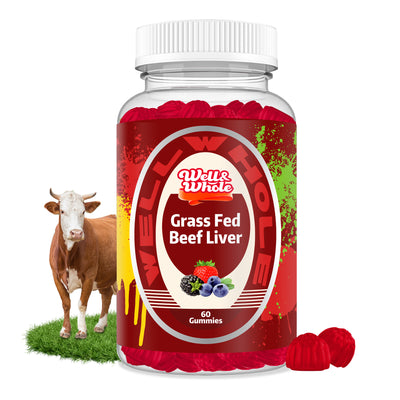
Beef Liver vs Beef Organ Blend: Which One Covers What

Organ meats keep appearing in wellness feeds, and the comparison shoppers actually face is narrower than the hype suggests.
If you want the short answer: beef liver is the depth pick — almost nothing in the food supply concentrates vitamin A, vitamin B12, folate and copper the way liver does. A beef organ blend is the breadth pick, spreading nutrition across heart, kidney and other organs so no single nutrient overshadows the rest. Which one covers what depends on whether you are patching one specific gap or rounding out a whole dietary pattern.
Key takeaways
- Beef liver is arguably the most intense food source of B12 and preformed vitamin A you can buy, with folate, copper and heme iron close behind.
- An organ blend trades some of that intensity for breadth: heart, kidney and spleen each add their own profile at milder levels.
- Liver’s vitamin A ceiling is the one genuine reason for portion awareness, especially if you also take a retinol supplement.
- Compare products the way you would compare foods: matched serving sizes, honest nutrition facts, no 100-gram marketing rounding.
What beef liver actually covers
Liver earns its reputation on raw numbers. Per realistic serving size, beef liver delivers several times your daily B12 requirement, substantial preformed vitamin A as retinol, plus folate, riboflavin, copper, choline and heme iron, wrapped around roughly twenty grams of quality protein intake. Few food sources punch at that level per bite, which is why old-school nutrition facts charts treat liver almost like a supplement you can pan-sear.
The trade-off is the concentration itself. Preformed vitamin A accumulates in the body, and a single generous portion of liver can exceed the daily average many food safety agencies suggest. Eating liver once or twice a week fits comfortably inside traditional eating habits; layering it daily on top of a retinol-heavy supplement routine is where people drift past sensible ranges without noticing.
What an organ blend adds
A typical blend pairs liver with heart and kidney, sometimes spleen or pancreas. Heart contributes coenzyme Q10 and dense protein with a muscle-like texture; kidney adds selenium and extra B12; spleen is another iron source. Nothing in the blend out-concentrates liver on any single nutrient, but the coverage widens, and the flavor is noticeably milder for most cooks — which quietly improves how often the food actually gets eaten, and that matters more than any nutrient table.
Side by side: where each one wins
| Beef liver | Organ blend | |
|---|---|---|
| Per-serving intensity | Extreme on vitamin A, B12, folate, copper | Moderate, but spread across more organs |
| Standout nutrients | Retinol, B12, heme iron, choline | Selenium, coenzyme Q10, zinc, added B12 |
| Flavor and cooking method | Distinctive; soak in milk, sear quickly | Milder; grinds well into burgers or chili |
| Portion watch | Weekly ceiling on vitamin A | Lower, but check the liver ratio on the label |
Read food labels like food, not a hero
Whichever format you buy — fresh, frozen, or freeze-dried capsules — the label discipline is the same. Match serving sizes first, then scan the nutrition facts for what is genuinely high rather than what the front of the pack celebrates. Whole foods and their dried cousins rarely hide behind proprietary framing the way some ultra processed products do, but capsule doses per serving vary wildly between brands. If your protein intake already runs high from ordinary meal prep, the blend’s gentler taste and lower per-serving intensity usually fits a steady eating pattern better than liver’s feast-and-pause rhythm.

What a realistic week looks like
For most households the practical version is simple: one liver-centered meal a week, chosen with a cooking method that keeps prep light — a quick sear with onions, or pâté spread over the weekend toast — and a blend worked into familiar ground-meat dishes on another night so nobody feels experimented on. Batch shoppers can fold both into a single meal prep session: brown the blend into chili portions for the freezer, portion the seared liver into three-ounce packs, and the eating pattern takes care of itself for the month. The point is not optimization; it is making the nutrient density arrive on a schedule you will actually keep. Food that gets eaten twice as often at half the intensity beats perfect food that stays in the freezer.
Frequently asked questions
Can I eat beef liver every day?
You can, but most sensible routines land on one to two modest servings per week because of the vitamin A ceiling. If you want more frequent portions, rotate with other iron-rich foods so no single nutrient stacks up.
Does an organ blend taste less like liver?
Usually yes. Heart and kidney soften the metallic edge considerably, and many blends are ground into burger patties or meatballs — a forgiving cooking method for newcomers who find straight liver challenging.
Which one should a beginner start with?
Start small. A modest serving size of a milder blend, or a pâté-style liver dish, tells you quickly how your taste and digestion respond before you commit to a weekly pattern.
Do capsules count the same as fresh liver?
The nutrient density of freeze-dried organs is similar gram for gram, but a realistic capsule serving delivers far less total food than a cooked portion. Judge every product per serving, not per bottle, and keep it inside a varied dietary pattern.
Related supplements
If you want to explore this area, the Health Benefits and Vitamins collections cover the relevant supplements and formats.
These statements have not been evaluated by the Food and Drug Administration. This product is not intended to diagnose, treat, cure, or prevent any disease. Talk to a healthcare professional before starting any new supplement, especially if you are pregnant, nursing, taking medication, or managing a health condition.
These statements have not been evaluated by the Food and Drug Administration. This product is not intended to diagnose, treat, cure, or prevent any disease.