Zinc vs Vitamin C for Colds: What the Evidence Says

Zinc and vitamin C are the two supplements most people reach for at the first sign of a cold, and they earn that shelf space unevenly. Zinc lozenges, started within 24 hours of the first symptoms, can shorten a cold by a day or so. Vitamin C, for most well-nourished adults, neither prevents a cold nor meaningfully treats one once it starts.
Key takeaways
- Zinc acetate or zinc gluconate lozenges delivering at least 75 mg of elemental zinc per day, started within 24 hours, have the strongest evidence for shortening cold duration.
- Vitamin C taken daily may modestly shorten colds, but starting it after symptoms appear has repeatedly shown no meaningful effect.
- Neither reliably prevents colds in ordinary, well-nourished adults; the exception is people under acute physical stress such as marathon training.
- Long-term zinc intake above roughly 40 mg per day can deplete copper, so higher is not better.
- Rest, fluids, and time still do more for a cold than either supplement.
What zinc actually does during a cold
Zinc supports hundreds of enzymes involved in immune signaling, but its more interesting cold trick is direct: in laboratory work, zinc ions interfere with the ability of rhinovirus — the virus behind most colds — to bind to cells lining the nose and throat. That is why the delivery format matters more than almost anything else on the label. A lozenge that dissolves slowly keeps ionized zinc in contact with throat tissue, which is exactly where the virus is replicating. A capsule swallowed with water delivers the mineral to the stomach and does very little for the surface where the infection actually lives.
Pooled trial data, most thoroughly reviewed by Cochrane, shows that high-dose zinc lozenges can reduce the duration of cold symptoms by a modest margin when dosing reaches 75 mg or more of elemental zinc per day and begins within a day of the first tickle in the throat. Effects on symptom severity are less consistent than effects on duration, which is worth remembering when a product page promises to "stop a cold."
The details that decide whether zinc works
Three variables separate the positive trials from the null ones. The first is form: zinc acetate and zinc gluconate release zinc ions readily, while formulations bound with citric acid or tartaric acid can chemically tie up the mineral before it reaches the tissue. The second is dose: successful regimens generally delivered 75 to 100 mg of elemental zinc per day, split across several lozenges taken every two to three hours while awake. The third is timing: benefit shrinks sharply once more than 24 hours have passed, which is why a lozenge you buy on day three does little.
Skip intranasal zinc entirely. Nasal gels and swabs containing zinc have been linked to permanent loss of the sense of smell, and regulators have warned against them since 2009. That risk is not worth any speculative benefit.
What vitamin C can and cannot do
Vitamin C is genuinely essential: immune cells concentrate it, and deficiency clearly impairs immune defense. But repletion and superdosing are different claims. In a landmark meta-analysis spanning dozens of trials, regular vitamin C supplementation did not reduce the chance of catching a cold in the general population. It shortened colds by about 8 percent in adults and 14 percent in children — roughly half a day off a typical week-long cold.
One subgroup does benefit from daily use. People under acute physical stress — marathon runners, competitive skiers, soldiers on cold-weather exercises — cut their cold incidence roughly in half with regular supplementation. If you are logging hard training through winter, that finding may apply to you. If you spend your days at a desk, it almost certainly does not.
Zinc vs vitamin C side by side
| Zinc lozenges | Vitamin C | |
|---|---|---|
| Prevents colds | No | No, except under extreme physical stress |
| Shortens a cold | Yes, modestly, if started within 24 hours | Only with daily use before getting sick (~8%) |
| Best format | Acetate or gluconate lozenge dissolved in the mouth | Diet first; supplements for low intake |
| Main risk | Copper depletion with chronic high dose; nausea | GI upset and kidney stones at very high doses |
Using them sensibly during cold season
A practical setup is simple. Keep a zinc acetate or gluconate lozenge product on hand and commit to using it only in the first 24 hours, following the label for elemental zinc per lozenge. Do not take a daily zinc supplement on top of that; ongoing intake above 40 mg per day risks copper deficiency, which has its own consequences for blood and nerve health. For vitamin C, food first is the honest answer — citrus, peppers, kiwi, and berries cover an adult's needs easily. A daily supplement is reasonable if your produce intake is thin or you are training hard, but there is no reason to keep megadosing once you are already sick.
Finally, calibrate expectations. A day shaved off a cold is a real, measurable effect, but it is not the dramatic rescue that marketing implies. Sleep, hydration, and letting your immune system run its course remain the core treatment; these two minerals are small optimizations at the margins, and zinc is the only one with a genuine acute-use case.
Frequently asked questions
Can I take zinc and vitamin C together?
Yes. They do not meaningfully interfere with each other, and many lozenge products combine them. Just check the total zinc: combined products sometimes deliver more elemental zinc per day than the evidence base used, and more is not better.
How much zinc is too much?
The adult upper limit for chronic intake is 40 mg per day. Short courses of 75 to 100 mg daily for about five days are how the cold trials were run, but that pace should not continue for weeks. Nausea is the most common early sign of excess.
Does vitamin C prevent colds?
Not for most people. Daily use may halve cold frequency in people under severe physical stress, but in ordinary adults it does not reduce how often you get sick. It may slightly shorten colds when taken every day before illness begins.
What actually shortens a cold?
Time does most of the work. Beyond that, early zinc lozenges have the best evidence, adequate sleep supports immune function, and fluids help with symptom comfort. Antibiotics do nothing for viral colds, and there is no evidence that any supplement dramatically cuts a cold short.
Related supplements
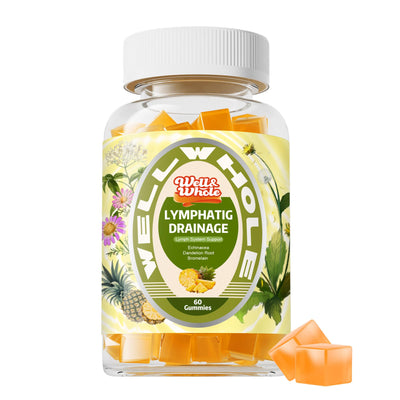
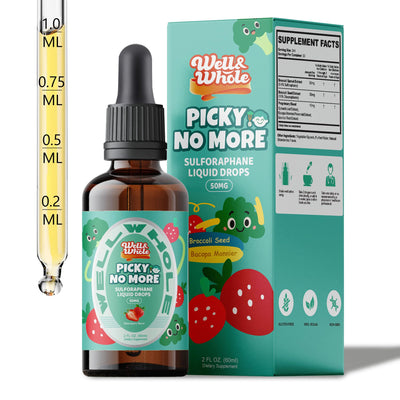
Putting it simply: if this is something you want to add to your routine, our Lymphatic Drainage Supplements Gummies with Echinacea Dandelion Burdock for Adults with Immune and Energy Support and Sulforaphane Broccoli Supplement Liquid Drops for Kids with Sulforaphane, Glucoraphanin, Bacopa Monnieri are a good place to start. The wider Immune Support collection is worth a look, and the Health Benefits range covers related formats.
These statements have not been evaluated by the Food and Drug Administration. This product is not intended to diagnose, treat, cure, or prevent any disease. Talk to a healthcare professional before starting any new supplement, especially if you are pregnant, nursing, taking medication, or managing a health condition.