Zinc: The Immune Mineral — Benefits, Dosing, and Best Forms
Learn why zinc is essential for immunity, wound healing, and hormone health, plus how to choose the best zinc supplement and avoid deficiency.

Zinc is an essential trace mineral that plays a critical role in immune function, wound healing, DNA synthesis, and cell division. Despite its importance, zinc deficiency affects an estimated 12% of the US population and is even more common globally.
Key Takeaways
- Vitamins and minerals are essential nutrients the body needs in small amounts for normal function.
- A supplement helps fill dietary gaps but works best with a varied diet.
- Follow labeled servings—more is not always better; consult a professional before high-dose use.
Often called the "immune mineral," zinc is one of the first nutrients people reach for at the first sign of a cold. But its benefits go far beyond seasonal sniffles. This article covers what zinc does, how much you need, and how to choose the right form.
What Is Zinc?
Zinc is a trace element found in cells throughout the body. It's the second most abundant trace mineral after iron and is required for the activity of over 300 enzymes.
Zinc supports:
· Immune cell development and function
· Protein and DNA synthesis
· Wound healing
· Cell division and growth
· Taste and smell
· Skin health
· Hormone production, including testosterone
· Antioxidant defense
Because the body has no specialized zinc storage system, consistent intake through diet or supplements is essential.
Zinc and Immune Function
Zinc is perhaps best known for its role in immune health. It supports:
· **White blood cell function**: Zinc is needed for the development and activity of T-cells and natural killer cells.
· **Inflammation regulation**: Zinc helps balance inflammatory cytokines.
· **Barrier function**: The skin and mucous membranes rely on zinc for integrity.
· **Antiviral defense**: Zinc may inhibit the replication of certain viruses in laboratory studies.
A 2017 meta-analysis published in the *British Journal of Clinical Pharmacology* found that zinc lozenges could reduce the duration of common cold symptoms by about 33% when started within 24 hours.
Signs of Zinc Deficiency
Zinc deficiency can cause:
· Frequent infections
· Slow wound healing
· Hair loss
· Loss of taste or smell
· Diarrhea
· Skin rashes
· Poor appetite
· Impaired growth in children
· Low testosterone in men
Certain groups are at higher risk, including vegetarians, older adults, pregnant women, and people with digestive disorders.
Dietary Sources of Zinc
Plant-based sources contain phytates, which can reduce zinc absorption. Vegetarians and vegans may need 50% more zinc than omnivores.
How Much Zinc Do You Need?
The RDA for zinc is:
· 8 mg/day for women
· 11 mg/day for men
· 11-12 mg/day during pregnancy and lactation
For immune support during illness, short-term doses of 15-30 mg per day are commonly used. Lozenges delivering 75-90 mg per day have been studied for colds, but these high doses should not be used long-term.
Best Forms of Zinc Supplements
Zinc picolinate and zinc bisglycinate are generally considered the best choices for daily supplementation.
Zinc Safety and Side Effects
The tolerable upper intake level for zinc is 40 mg per day for adults. Excessive zinc intake can cause:
· Nausea and vomiting
· Stomach pain
· Diarrhea
· Headaches
· Copper deficiency (with long-term high doses)
· Impaired immune function (with very high doses)
To avoid copper deficiency, long-term zinc supplementation above 40 mg/day should be supervised by a healthcare provider.
FAQ
What does zinc do for the body?
Zinc supports immune function, wound healing, DNA synthesis, cell division, skin health, taste, smell, and hormone production.
How much zinc should I take daily?
Most adults need 8-11 mg per day from all sources. For short-term immune support, 15-30 mg may be appropriate.
What's the best form of zinc?
Zinc picolinate and zinc bisglycinate are highly absorbable and well-tolerated.
Can zinc prevent colds?
Zinc may shorten the duration of the common cold when started early. It does not prevent all colds.
What are signs of zinc deficiency?
Frequent infections, slow wound healing, hair loss, loss of taste or smell, skin rashes, and low appetite.
Can I take zinc every day?
Yes, at moderate doses. Long-term use above 40 mg/day may cause copper deficiency.
Does zinc interact with medications?
Zinc can interact with antibiotics, penicillamine, and diuretics. Take it 2 hours apart from these medications.
Is zinc safe during pregnancy?
Zinc is essential during pregnancy. Prenatal vitamins usually contain appropriate amounts.
Conclusion
Zinc is a true immune-support mineral with wide-ranging effects throughout the body. If you experience frequent infections, slow healing, or hair loss, low zinc could be a factor. A high-quality zinc supplement can help fill the gap, especially during cold season or times of stress.
well&whole offers zinc picolinate and immune-support formulas that provide bioavailable zinc without unnecessary fillers. Pairing zinc with a nutrient-rich diet is one of the simplest ways to support year-round immune resilience.
Related supplements
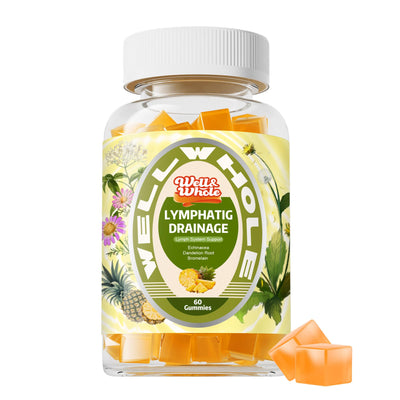
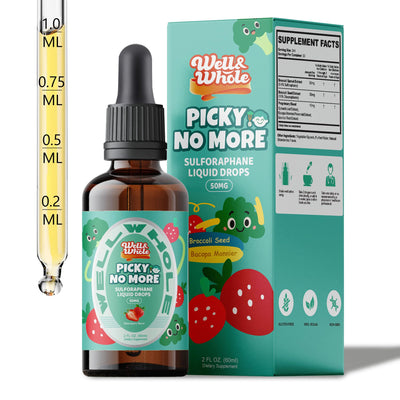
Where to begin? Our Lymphatic Drainage Supplements Gummies with Echinacea Dandelion Burdock for Adults with Immune and Energy Support and Sulforaphane Broccoli Supplement Liquid Drops for Kids with Sulforaphane, Glucoraphanin, Bacopa Monnieri are a sensible place to start, and the Immune Support collection lays out the other formats side by side with Health Benefits.
Looking for a complete routine? See our Zinc.
The role of vitamins and minerals
Micronutrients support normal immune function, energy metabolism, bone health, and countless enzymatic processes. Needs vary by age, diet, and life stage.
A supplement is meant to complement dietary intake from foods such as vegetables, lean proteins, and whole grains.
Who might be interested
Adults with restricted diets, higher needs, or low sun/dietary exposure to certain nutrients often consider targeted supplementation.
Life stages such as pregnancy or aging can shift requirements.
How to choose a quality vitamin or mineral
Look for the nutrient form (e.g., methylated B12, chelated minerals), clear amounts vs. daily value, and third-party testing.
Avoid mega-doses beyond labeled guidance unless advised by a professional.
How it may fit alongside a balanced diet
Think of supplements as a top-up, not a substitute. A varied, nutrient-dense diet remains the foundation.
This article is for general wellness education and is not intended to diagnose, treat, cure, or prevent any condition. Individual needs vary—always review product labels and consult a qualified healthcare professional before starting any new supplement.
These statements have not been evaluated by the Food and Drug Administration. This product is not intended to diagnose, treat, cure, or prevent any disease.