Zinc: How Much Is Too Much?

For most adults, the safe ceiling for zinc is 40 mg per day from food and supplements combined. Below that line, zinc reliably supports immune function; above it, taken for months, zinc quietly starts working against you — most notably by draining your copper stores. Here is where the line sits, why it exists, and how common products stack up against it.
Key takeaways
- 40 mg/day is the established adult upper limit (UL) for chronic intake; food alone almost never approaches it.
- Long-term excess zinc causes copper deficiency, which can bring nerve symptoms and anemia.
- Short-term zinc lozenges for a cold (typically 60–90 mg/day for under a week) sit outside the chronic limit but should stay short.
- Space zinc at least two hours apart from iron and calcium supplements to avoid uptake competition.
- Oysters, beef, pumpkin seeds, and chickpeas cover most people's needs without a bottle.
Why zinc matters in the first place
Zinc is involved in hundreds of enzymes, and its best-known role is immune function: your immune cells need zinc to mature and communicate, which is why deficiency — not extra intake — is associated with more frequent infections and slower recovery. Zinc also supports wound healing, taste and smell, and normal skin maintenance. The goal with supplementation is adequacy, never maximal dosing.
The 40 mg line and where it came from
The adult UL of 40 mg per day was set from feeding trials in which sustained intakes above that level began to interfere with copper status. It is deliberately conservative for otherwise healthy adults. A typical multivitamin contains 8–15 mg; a dedicated zinc supplement often carries 25–50 mg per capsule. One capsule is fine. The trouble begins when people stack a zinc supplement, a multivitamin, and a cold-season lozenge regimen on the same day for months at a time.
What too much zinc actually does
The signature problem is copper. Zinc and copper compete for absorption in the gut, so chronically high zinc intake gradually induces copper deficiency. Early signs can include unusually pale skin-adjacent symptoms your clinician would catch on labs — anemia that does not respond to iron — and in more advanced cases numbness and balance trouble from nerve involvement. People have needed months of supervised repletion after aggressive self-prescribing. High doses can also cause nausea and stomach cramps promptly, which at least provides faster feedback than the slow copper drain.
Cold-season lozenges: the honest boundaries
Zinc lozenges are the one place where short, large doses have trial support — some studies of zinc lozenges dissolving in the mouth found shorter common-cold duration when started within a day of symptoms. Those protocols typically delivered 60–90 mg per day for about a week. That is above the chronic UL on purpose: it is a short therapeutic sprint, not a maintenance plan. Keep lozenge courses under roughly ten days, do not run them continuously all season, and skip them entirely if they make you nauseous.
Food first, spacing second
Three ounces of oysters deliver several times the daily requirement; beef, crab, pumpkin seeds, cashews, and chickpeas are solid everyday contributors. Most omnivores are nowhere near deficient, which means the marginal value of a daily zinc capsule is often small — and the marginal risk of stacking several is real.
If you do supplement, note the interactions: zinc competes with iron and calcium for uptake, so separate them by at least two hours. People taking iron regularly should discuss zinc timing with a clinician rather than layering bottles on their own.
Can you get too much zinc from food?
Practically no, with one famous exception. A normal diet cannot approach 40 mg — but a single serving of oysters can carry anywhere from 30 to well over 100 mg depending on size and origin, and people who eat them daily plus take a zinc capsule can stack up unknowingly. That is still a food-pattern conversation rather than a supplement emergency, but it is the one grocery item worth counting if you also supplement.
When a clinician might check your zinc status
Routine screening is not a thing — zinc status is awkward to measure, and deficiency usually shows up as a pattern rather than a number: slow-healing wounds, frequent infections, altered taste, sometimes hair thinning, in people with restricted diets, malabsorption conditions, or heavy alcohol use. If that describes you, the useful move is a conversation and targeted testing, not self-directed high-dose supplementation, which can mask symptoms while creating the copper problem described above.
Reading the bottle without overdoing it
Two numbers decide everything: milligrams per serving and servings per day. A 50 mg product taken twice daily is a problem plan, not an enthusiastic one. Check whether the label amount is elemental zinc (the standard) and count every source — the multivitamin, the cold-season lozenges, the immunity drink mix. Your total is the sum of all of them, and the 40 mg line applies to the sum.

Frequently asked questions
Can I take zinc every day?
Yes, within limits: staying at or under 40 mg/day from all sources combined is considered safe for ongoing use in healthy adults.
What are the signs of too much zinc?
Early on: nausea and stomach upset. Slowly, over months: anemia unresponsive to iron and, in advanced cases, numbness or balance problems from copper depletion. Any of the nerve symptoms warrant a prompt clinician visit.
Do zinc lozenges shorten a cold?
Some trials found modestly shorter colds when lozenges started within 24 hours of symptoms, at around 60–90 mg/day for under a week. Evidence is mixed, and the doses involved are short-term only.
Which form of zinc should I choose?
Chelated forms such as zinc bisglycinate are gentle on the stomach; zinc gluconate and zinc picolinate are also common and well absorbed. The form matters less than keeping the total dose sane.
Related supplements
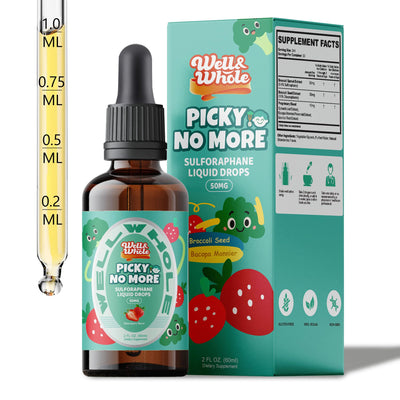
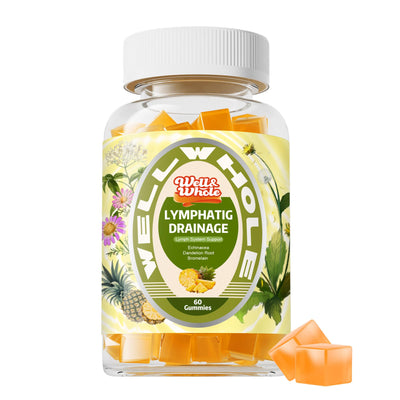
Should you decide to supplement, Lymphatic Drainage Supplements Gummies with Echinacea Dandelion Burdock for Adults with Immune and Energy Support and Sulforaphane Broccoli Supplement Liquid Drops for Kids with Sulforaphane, Glucoraphanin, Bacopa Monnieri are our formulation for this purpose. For a broader comparison, see the Immune Support and Health Benefits collections.
These statements have not been evaluated by the Food and Drug Administration. This product is not intended to diagnose, treat, cure, or prevent any disease. Talk to a healthcare professional before starting any new supplement, especially if you are pregnant, nursing, taking medication, or managing a health condition.
These statements have not been evaluated by the Food and Drug Administration. This product is not intended to diagnose, treat, cure, or prevent any disease.