Zinc Carnosine for the Stomach Lining: What Studies Show

Zinc carnosine is a laboratory-bound pair of zinc and L-carnosine, studied mostly for supporting the stomach lining. Early trials suggest it helps maintain the gut's protective mucosal layer, but the evidence base is small and early-stage, so it is best understood as a promising support compound rather than a proven remedy.
Key takeaways
- Zinc carnosine is chemically distinct from ordinary zinc supplements: the two molecules are bonded, which changes how it behaves in the digestive tract.
- Most studied doses sit around 75 mg twice daily, a fraction of the zinc found in typical mineral products.
- Research is promising but limited in size and duration; no claim of treatment or cure is supported.
- Anyone with ongoing stomach pain should get a diagnosis first — supplements are not a substitute for medical evaluation.
Why the bonded form matters
Ordinary zinc salts dissolve quickly and behave as generic minerals. Zinc carnosine, by contrast, survives the journey to the gut as a single compound, which is exactly why gastric researchers became interested in it: the molecule can interact directly with the stomach wall rather than dispersing. Animal and small human studies report that it associates with the sites of minor lining damage and appears to support the maintenance of the mucus layer that shields tissue from acid.
That mechanism is plausible and repeatedly observed, but it is not the same as proof of outcomes. Large, long trials remain scarce, and much of the literature comes from a small number of research groups.
What the studies actually measured
The most cited trials followed people with everyday gastric discomfort and measured symptom scores and endoscopic appearance over eight to twelve weeks. Findings leaned positive for comfort and for markers of lining integrity, yet sample sizes often ran to a few dozen participants. Separate work has examined use alongside conventional therapy for minor lesions, where it was positioned as a supportive addition, not an alternative.
Athletic research adds an unexpected angle: hard training is associated with occasional digestive complaints, and small studies have tested whether the compound helps maintain gut comfort during heavy training blocks. Results are intriguing but preliminary.
How it differs from ordinary zinc
A typical zinc supplement delivers 15 to 50 mg of elemental zinc aimed at nutritional adequacy — the amount that keeps hundreds of enzymes working as they should. Zinc carnosine delivers only about 17 mg of zinc per 75 mg dose; its purpose is not to raise zinc status but to position the bonded compound at the gut wall. Taking both does not double the benefit and can push total zinc past sensible ceilings.
Doses in studies cluster at 75 mg twice per day with meals. Because trial durations are short, most clinicians suggest periodic rather than indefinite use until longer data exist.
It also helps to zoom out. Stomach comfort rarely has a single lever: how quickly you eat, alcohol, common painkillers, and stress all shape the same tissue. That is why practitioners who work with this compound usually pair it with the boring fundamentals — slower meals, smaller late-evening portions, and attention to the foods that reliably trigger heartburn. In that context zinc carnosine is a targeted addition to a routine where digestion is already being supported, not a shield that lets everything else stay the same. The same logic applies to the wider conversation about the gut microbiome, where single ingredients matter less than the overall pattern that feeds your gut bacteria.
There is also a publication angle worth knowing: positive small trials travel further through supplement marketing than null results do, so the version of the evidence you meet on a product page is usually the friendly one. Reading the actual papers — or a plain-language review of them — gives a fairer picture of how often benefits appeared and how large they were. None of this makes the compound suspect; it simply means the confidence you assign it should match the size of the studies, not the size of the claims.
Who talks about it, and who should wait
Interest comes from three camps: people with occasional bloating or discomfort after eating, athletes managing training-related gut stress, and readers following the gastric-literature space. If your discomfort is frequent, worsening, or paired with warning signs such as unexplained weight loss, see a clinician before adding anything. Zinc can interact with certain antibiotics and can accumulate in people with kidney conditions.
For everyone else, the honest summary is this: a well-tolerated compound with a plausible mechanism, early positive signals, and an evidence base that has not caught up with the enthusiasm.

Frequently asked questions
How long does zinc carnosine take to show effects?
Trials typically ran eight to twelve weeks, so most reviewers suggest evaluating after about two months of consistent use rather than expecting changes in days.
Is zinc carnosine the same as zinc picolinate or gluconate?
No. Those are zinc salts for general mineral needs. Zinc carnosine is a bonded compound studied specifically for stomach lining support and contains far less elemental zinc per dose.
Can I take zinc carnosine with food?
Study protocols generally used doses with meals, which also reduces the chance of queasiness some people feel from zinc on an empty stomach.
Does zinc carnosine cause side effects?
It is generally well tolerated at studied doses. Occasional reports include mild nausea or a metallic taste. Long-term high intakes of zinc from any source can affect copper status, another reason to respect label doses.
Related supplements
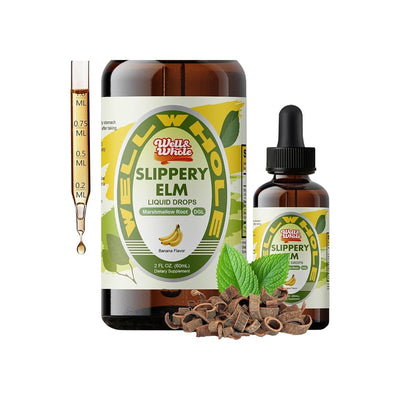
If you'd like to try it, Slippery Elm Liquid Drops, Marshmallow Root, Slippery Elm Bark Drops for Women, DGL Licorice Extract, Digestive Health, and Kids’ Black Walnut Digestive Support Drops, 14-in-1 Herbal Formula, Mixed Berry, Ages 1+, 2 fl oz are the closest match to what we've covered here. Browse Digestive Support and Health Benefits to see how the alternatives compare.
These statements have not been evaluated by the Food and Drug Administration. This product is not intended to diagnose, treat, cure, or prevent any disease. Talk to a healthcare professional before starting any new supplement, especially if you are pregnant, nursing, taking medication, or managing a health condition.
These statements have not been evaluated by the Food and Drug Administration. This product is not intended to diagnose, treat, cure, or prevent any disease.