Zinc and Immune Function: What It Actually Does

Zinc is genuinely required for normal immune function: it supports the development and communication of the immune cells that recognize and respond to threats. What it does not do is act as a shield against every infection. The honest summary is that zinc keeps immune defenses built and running — and helps most when your intake is low to begin with.
Key takeaways
- Zinc supports the growth and signaling of immune cells, including neutrophils, natural killer cells, and T cells.
- Oysters, crab, beef, chickpeas, and pumpkin seeds are the most reliable food sources.
- Most adults need 8–11 mg per day; the tolerable upper intake from supplements is 40 mg.
- Zinc lozenges may shorten a cold slightly if started within a day of symptoms; they do not prevent colds.
- Older adults, people who avoid meat, and regular heavy drinkers are the groups most likely to fall short.
What zinc actually does in the immune system
Zinc sits at the center of hundreds of enzyme reactions and several structures specific to immunity. It is required for neutrophils and natural killer cells to develop normally, for T cells to mature in the thymus, and for the signaling molecules that coordinate a response. In classic human studies of severe zinc deficiency — acrodermatitis enteropathica, or therapeutic deficiency caused by old intravenous formulas — the signature problem was recurring infection, and restoring zinc restored immune cell function.
Zinc also helps maintain physical barriers, including the skin and the linings of the airways and gut, which are the first line of defense rather than the last. That is a structural role: the mineral supports the tissue, it does not attack anything. This is why the accurate framing is "supports normal immune function" rather than "boosts immunity" — a phrase with no regulatory meaning.
Food sources versus supplements
Six medium oysters deliver more than 30 mg of zinc — several times the daily requirement — which is why they sit at the top of every food-source table. Red beef and crab are strong sources too, at roughly 3–7 mg per cooked serving. For people who eat little meat, the best plant options are chickpeas, lentils, pumpkin seeds, cashews, and oats, at roughly 1–3 mg per serving. The catch with plant sources is phytates, the compounds in whole grains and legumes that bind zinc and reduce how much is absorbed, which is why the estimated requirement absorbs this reality for vegetarians.
A zinc supplement is most useful for filling a real gap, not for topping up an already adequate intake. If you take one, taking it with food reduces nausea, and keeping the total near — not far above — the 40 mg upper limit matters, because chronic high-dose zinc interferes with copper absorption and can eventually cause copper-deficiency anemia and nerve symptoms.
How much is enough, and how much is too much
The recommended dietary allowance is 11 mg per day for adult men and 8 mg for adult women, rising to 11–12 mg in pregnancy and lactation. The tolerable upper intake level set by the National Institutes of Health Office of Dietary Supplements is 40 mg per day for adults. Many cold-season lozenges contain 5–25 mg apiece, which is fine for short-term use but not something to run continuously for months.
Zinc lozenges and the common cold: where the evidence stands
This is the most-asked practical question, and the evidence has an edge but not a wall. A 2024 Cochrane living review of zinc for the common cold found that zinc lozenges or syrup, started shortly after symptoms appear, may shorten the duration of a cold by a couple of days and may modestly reduce how long people stay contagious — though the certainty of the evidence ranges from low to moderate and study results are inconsistent. What the evidence does not show is prevention: taking zinc routinely does not stop you from catching colds.
Formulation matters, because some zinc compounds are poorly released in the mouth. Common side effects are a metallic taste and nausea, and intranasal zinc products are a separate story entirely — they have been linked to permanent loss of smell and should be avoided.
Who is more likely to fall short
True zinc deficiency is uncommon in the United States, but marginal shortfall is plausible in several groups: adults over 65, people with digestive conditions that reduce absorption, people who eat little or no meat, people with alcohol use disorder, and people with sickle cell disease. For these groups, modest supplementation to maintain healthy levels has a clearer logic than mega-dosing. A doctor can order a plasma zinc test, though the test is an imperfect mirror of whole-body status.

Frequently asked questions
Should I take zinc every day during cold season?
Routine daily zinc has not been shown to prevent colds. If you use lozenges, start at the first sign of symptoms and keep the short course short; long-term high-dose use risks copper deficiency.
Can I take zinc with my other supplements?
Zinc competes with copper and iron for absorption when taken together in high doses. Spacing them across the day is a simple fix, and a balanced diet usually keeps copper status fine at moderate zinc intakes.
What are the signs of low zinc?
Frequent infections, slow-healing wounds, hair thinning, appetite loss, and taste or smell changes can all accompany zinc deficiency — but they overlap with many other conditions, so testing beats guessing.
Is zinc better from food or a supplement?
Food first: oysters, beef, and crab cover the requirement easily. A supplement earns its place when your diet genuinely falls short, with the total kept under about 40 mg per day.
Related supplements
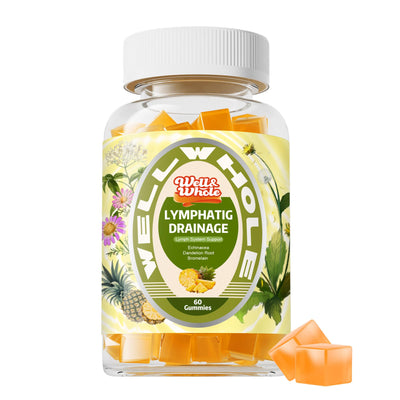
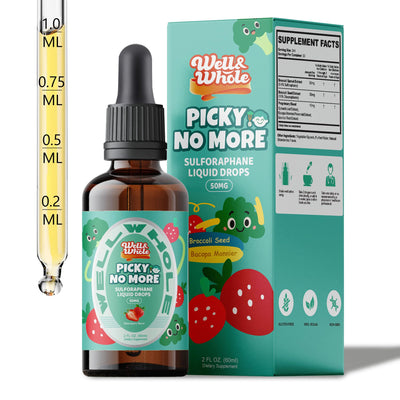
If you'd like to try it, Lymphatic Drainage Supplements Gummies with Echinacea Dandelion Burdock for Adults with Immune and Energy Support and Sulforaphane Broccoli Supplement Liquid Drops for Kids with Sulforaphane, Glucoraphanin, Bacopa Monnieri are the closest match to what we've covered here. Browse Immune Support and Health Benefits to see how the alternatives compare.
These statements have not been evaluated by the Food and Drug Administration. This product is not intended to diagnose, treat, cure, or prevent any disease. Talk to a healthcare professional before starting any new supplement, especially if you are pregnant, nursing, taking medication, or managing a health condition.