Why You Get Sick Every Winter (and What's in Your Control)

Getting sick repeatedly in winter is not inevitable or a sign of a weak immune system. It is largely a predictable result of four converging factors: more time indoors sharing air with others, dry mucous membranes that trap pathogens less effectively, reduced vitamin D production from limited sunlight, and fragmented sleep during darker months. Each factor is partially controllable, and addressing even two or three of them cuts infection frequency measurably.
Cold weather itself does not cause infections. Viruses cause infections. Winter creates conditions that favor viral transmission and temporarily weaken your first-line defenses, which is why the pattern repeats annually unless you actively counteract the mechanisms.
Indoor crowding and ventilation
When temperatures drop, people move indoors, windows close and ventilation drops. Respiratory viruses spread through aerosols and droplets that accumulate in stale air. Schools, offices and households become efficient transmission chambers. The fix is mechanical: open windows briefly several times a day, run HEPA filters in bedrooms and workspaces, and mask in crowded indoor settings during peak flu season.
Dry air and mucous membrane damage
Heating systems strip moisture from indoor air, dropping humidity below the 40–60% range where respiratory cilia and mucus function best. Dry nasal passages develop microscopic cracks that allow viruses easier entry, and dried mucus traps pathogens less effectively. A humidifier in the bedroom, saline nasal spray and adequate hydration all restore this barrier function.
Vitamin D and immune competence
Vitamin D modulates both innate and adaptive immunity. Winter sunlight at latitudes above 35 degrees produces virtually no vitamin D in skin, and stored levels deplete over months. Studies consistently link low vitamin D status to higher rates of respiratory infection. Supplementation at 1000–4000 IU daily during winter months (depending on baseline status) is one of the most evidence-backed interventions available.
Sleep disruption and circadian drift
Shorter daylight hours delay melatonin onset and can shift bedtime later, compressing total sleep duration. Even modest sleep reduction (less than 7 hours) lowers natural killer cell activity and antibody response to vaccination. Defending sleep duration and consistency during winter is arguably the highest-leverage behavioral intervention available, yet it is the one most people sacrifice.
The virus factor
Influenza, RSV, rhinovirus and seasonal coronaviruses all peak in winter months. Their survival is longer in cold, dry air, and human behavior (gatherings, travel, school terms) synchronizes transmission opportunities. You cannot eliminate exposure, but you can reduce the infectious dose your body encounters through the environmental controls above.
Nutrients beyond vitamin D
- Zinc: Shortens cold duration when taken within 24 hours of symptom onset. Lozenges are more effective than pills for local throat action.
- Vitamin C: Modestly reduces cold duration in people under physical stress (endurance athletes, soldiers); effect size is smaller for the general population.
- Elderberry: Some trials report reduced severity and duration of influenza-like illness, though quality varies widely between preparations.
Stress and the immune suppression loop
Winter brings cumulative stressors: holiday demands, financial pressure, reduced outdoor activity and seasonal affective symptoms for some. Cortisol suppresses immune cell function acutely, and chronic elevation during a high-stress season creates a compounding vulnerability. Stress management — whatever form it takes for you — is not optional extras during winter; it is core infrastructure.
A winter action plan
- Humidify: Keep bedroom humidity at 40–60%.
- Ventilate: Open windows 5–10 minutes, three times daily.
- Supplement D: 2000–4000 IU daily from November through March (adjust for testing if possible).
- Protect sleep: 7–9 hours, consistent timing, cool dark room.
- Have zinc ready: Start lozenges at the first tickle of a cold.
- Manage stress proactively: Schedule downtime before the holiday crunch, not after.
Key takeaways
- Winter illness comes from indoor crowding, dry air, low vitamin D and poor sleep — not cold alone.
- Dry air cracks mucous membranes and lets viruses in more easily.
- Vitamin D supplementation during winter is strongly supported by evidence.
- Sleep deprivation is an immunosuppressant; defending sleep duration matters.
- Environmental controls (humidity, ventilation, masking) reduce the infectious dose you encounter.
Frequently asked questions
Does going outside in cold weather make you sick?
No. Cold temperature alone does not cause infection. In fact, outdoor time improves ventilation, sunlight exposure and often activity level — all protective factors. Dress appropriately and go outside.
How much vitamin D should I take in winter?
2000–4000 IU daily is a common evidence-based range for adults during winter months at temperate latitudes. Ideally, test your 25(OH)D level and personalize from there.
Can vitamin C prevent colds?
It does not reliably prevent colds in the general population but may shorten duration by about 8% in people who take it regularly. The effect is modest but real.
Why do kids get sick more often in winter?
Children have naive immune systems encountering viruses for the first time, plus close contact in schools and daycare. The pattern is normal and tends to improve with age as immunity builds.
Related supplements
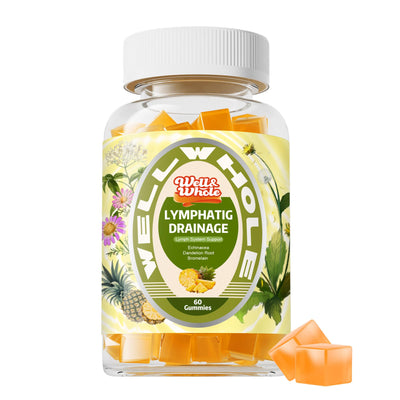
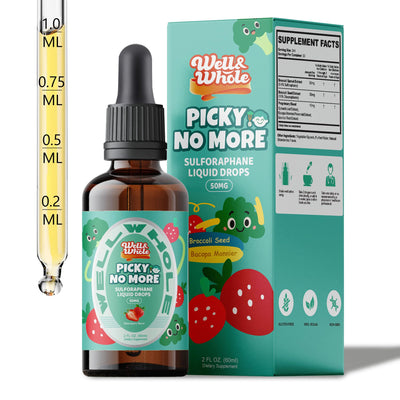
If you're ready to put this into practice, our Lymphatic Drainage Supplements Gummies with Echinacea Dandelion Burdock for Adults with Immune and Energy Support and Sulforaphane Broccoli Supplement Liquid Drops for Kids with Sulforaphane, Glucoraphanin, Bacopa Monnieri are formulated with this in mind. You can also compare the Immune Support and Health Benefits ranges to find the format that suits you.
These statements have not been evaluated by the Food and Drug Administration. This product is not intended to diagnose, treat, cure, or prevent any disease. Talk to a healthcare professional before starting any new supplement, especially if you are pregnant, nursing, taking medication, or managing a health condition.