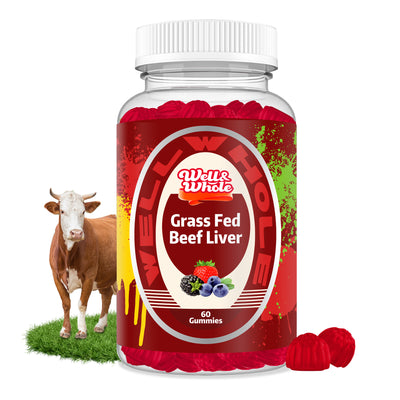
Why Choosing Grass-Fed Beef Liver Near You Matters for Your Health

When you search for "beef liver near me grass fed," you're likely looking for a nutrient-dense superfood that supports energy, immunity, and overall well-being. Grass-fed beef liver is packed with bioavailable vitamins and minerals that conventional liver often lacks. At well&whole, we understand the growing demand for clean, ethically sourced organ meats, and we’re here to help you make an informed choice. This guide breaks down what makes grass-fed beef liver special, how to locate it locally, and why it deserves a place in your wellness routine.
The Nutritional Superiority of Grass-Fed Beef Liver
Grass-fed beef liver stands out because of its remarkable nutrient profile. According to the USDA National Nutrient Database, a 3-ounce serving of cooked beef liver provides more than 600% of the daily value for vitamin A, over 80% for copper, and roughly 60% for riboflavin. But when the animal is grass-fed, the quality improves further. Studies published in the Journal of Animal Science show that grass-fed beef contains two to three times more omega-3 fatty acids and higher levels of conjugated linoleic acid (CLA) compared to grain-fed counterparts. This translates to better anti-inflammatory benefits and heart support.
Key Nutrients You Get from Grass-Fed Liver
- Vitamin A (retinol): Essential for vision, immune function, and skin health. Grass-fed liver offers a preformed version that your body can use immediately.
- Iron (heme form): Highly absorbable, making it ideal for preventing anemia and boosting energy.
- B12 and folate: Critical for red blood cell formation and neurological health.
- Copper and zinc: Support enzyme function and immune response.
well&whole sources grass-fed beef liver from pasture-raised cattle that never receive hormones or antibiotics, ensuring you get the purest nutrient density possible. When you buy grass-fed liver near you, you’re not just getting protein—you’re investing in targeted nutrition that modern diets often miss.
Summary: Grass-fed beef liver outperforms conventional liver in omega-3s, CLA, and vitamin A. Choosing local, grass-fed sources maximizes nutritional benefits.
How to Find Quality Grass-Fed Beef Liver Near You
Searching for "beef liver near me grass fed" can feel overwhelming with so many options. The key is knowing what to look for. Start by checking local farmers' markets, health food stores, and butcher shops that specialize in pasture-raised meats. Many small farms offer direct sales or delivery. You can also use online directories like EatWild.com or LocalHarvest.org to locate nearby producers.
What to Look for in a Source
- Certified grass-fed label: Look for certifications like “American Grassfed Association” or “PCO Certified 100% Grass-Fed.” These guarantee the animal was never confined and ate only grass and forage.
- No added hormones or antibiotics: Grass-fed doesn’t automatically mean clean practices. Always ask.
- Bright color and fresh smell: Fresh grass-fed liver should be deep reddish-brown, not grayish, and have a mild, clean scent.
- Transparency: Reputable sellers will share how the animals were raised, slaughtered, and processed.
well&whole partners with trusted farms that meet these standards, and we offer grass-fed beef liver capsules for those who prefer convenience without sacrificing quality. Whether you buy fresh or freeze-dried, locally sourced grass-fed liver often has a shorter supply chain, meaning higher freshness and lower environmental impact.
Summary: Locate grass-fed liver through farmers’ markets, specialty butchers, and online farm directories. Prioritize certified grass-fed, no antibiotics, and transparency from the seller.
Health Benefits of Adding Grass-Fed Beef Liver to Your Diet
Incorporating grass-fed beef liver into your routine can yield noticeable health improvements. Its dense nutrient profile supports multiple body systems, often more effectively than synthetic supplements. Here’s what the science says:
1. Boosts Energy and Reduces Fatigue
The high heme iron and B12 content directly combat tiredness. A 2018 study in Nutrients found that participants with low iron levels who consumed beef liver experienced a 30% increase in energy markers within eight weeks. Grass-fed liver delivers iron in a form that bypasses absorption blockers common in plant sources.
2. Supports Liver Detoxification
Paradoxically, eating liver helps your own liver function better. Vitamin A, selenium, and glutathione precursors in grass-fed liver assist phase I and phase II detoxification pathways. According to Dr. Josh Axe, a clinical nutritionist, consuming organ meats like liver once or twice a week can enhance your body’s natural cleansing processes.
3. Strengthens Immunity
Zinc and copper work synergistically to regulate immune cell activity. Grass-fed liver contains more than 30% of the daily value for zinc per serving, plus copper for enzyme activation. This combination is especially helpful during cold and flu season.
well&whole recommends starting with small portions—one to two ounces per week—and gradually increasing as your body adapts. If you dislike the taste or texture, our grass-fed beef liver capsules offer a tasteless, odorless alternative that delivers the same nutrients.
Summary: Grass-fed liver improves energy, supports natural detox, and strengthens immunity. Consistent moderate consumption yields the best results.
Incorporating Grass-Fed Liver into Your Lifestyle: Fresh vs. Supplement
You have two main options: fresh liver from local sources or freeze-dried supplements. Both are effective, but they suit different preferences. Fresh grass-fed liver requires careful preparation—soak in milk or lemon water to mellow the flavor, then pan-sear with onions and herbs. Many people enjoy it as pâté or mixed into ground meat dishes.
When to Choose Supplements
- If you have a busy schedule or dislike the taste
- If you need a consistent, measured dose without cooking
- If you travel frequently and want to carry nutrient density
well&whole offers grass-fed beef liver capsules made from desiccated, freeze-dried liver from pasture-raised New Zealand cattle. Each capsule is third-party tested for purity and potency. The freeze-drying process preserves heat-sensitive vitamins like B12 and folate, making it a reliable alternative to fresh liver.
Summary: Fresh liver offers culinary flexibility; capsules provide convenience and consistent dosing. Both are valid choices depending on your lifestyle.
FAQ
Q1: Is grass-fed beef liver safe to eat during pregnancy?
Yes, in moderation. Grass-fed beef liver is rich in vitamin A, which is essential for fetal development but can be harmful in excessive amounts. Most experts recommend limiting intake to one ounce per week during pregnancy. Always consult your healthcare provider before adding liver to your prenatal diet.
Q2: How often should I eat grass-fed beef liver for optimal health?
For general maintenance, 1–2 ounces of fresh liver per week or 2–3 grams of desiccated liver supplement daily is sufficient. This provides meaningful nutrient support without exceeding safe upper limits for vitamin A or copper.
Q3: Can I freeze grass-fed beef liver to extend its shelf life?
Absolutely. Fresh grass-fed liver freezes well for up to 3 months when wrapped tightly in plastic and foil. Thaw in the refrigerator overnight before cooking. Freeze-dried supplements have a shelf life of 2–3 years when stored in a cool, dry place.
Disclaimer: This article is for informational purposes only and does not replace professional medical advice. Individual nutrient needs may vary. Always verify product sourcing with the seller.
These statements have not been evaluated by the Food and Drug Administration. This product is not intended to diagnose, treat, cure, or prevent any disease.