Why can't Proline and Lysine go through transamination

Understanding the Biochemistry Behind Amino Acid Metabolism: Proline and Lysine in Transamination
Key Takeaways
- L-lysine is an essential amino acid the body cannot produce, so it must come from food or supplements.
- It is commonly associated with skin and immune-system support routines, especially around cold-sore season.
- Follow the labeled serving; space from other amino acids if advised, and check interactions with a healthcare professional.
When evaluating amino acid metabolism, transamination emerges as an essential cellular process. It allows the conversion of amino acids into keto acids, playing a critical role in producing energy and enabling various biochemical pathways in the human body. Though transamination applies to most amino acids, Proline and Lysine are notable exceptions. This topic has raised intriguing questions among researchers and health enthusiasts alike. Below, we’ll unravel why Proline and Lysine do not undergo transamination, connect this biochemical insight to broader health and wellness trends, and explore how well&whole’s offerings align with supporting healthy metabolic function.
The Science Behind Transamination
Transamination involves the transfer of an amino group from an amino acid to a keto acid, a reaction catalyzed by enzymes known as aminotransferases. This process is vital for amino acid catabolism and is tightly connected to the body's ability to maintain nitrogen balance. For most amino acids, this mechanism is straightforward. However, the molecular structure of Proline and Lysine prevents their participation in transamination.
Why Proline and Lysine Cannot Undergo Transamination
Proline has a unique cyclic structure in its molecular backbone. Its alpha-amino group is locked into a five-membered ring, making it inaccessible for the enzymatic action required in transamination. This rigid structure restricts Proline’s ability to donate or accept amino groups, making it metabolized through alternative pathways, such as oxidation to produce glutamate.
On the other hand, Lysine is different but similarly excluded from transamination. Lysine's side chain features a long, positively charged group that clashes with enzymatic requirements for amino group transfer. Furthermore, studies suggest that Lysine’s catabolism relies on distinct pathways such as the saccharopine pathway, bypassing transamination entirely. In essence, the unique biochemical structures of both amino acids preclude participation in this essential metabolic process.
Implications for Health and Nutrition
Given their atypical metabolic behavior, Proline and Lysine have specialized roles in the body. Proline is essential for collagen synthesis, contributing to skin elasticity, joint health, and wound healing—qualities highly relevant for those focusing on anti-aging solutions and recovery products. Meanwhile, Lysine serves as a key player in calcium absorption, immune system support, and the production of carnitine, which aids energy metabolism.
For individuals aiming to optimize amino acid balance, understanding these differences matters. With diets rich in diverse protein sources, comprehensive supplementation becomes a strategic solution when natural intake may fall short. Brands like well&whole stand out by offering meticulously crafted products that support amino acid balance and align with broader health goals.
Supporting Healthy Amino Acid Metabolism
While Proline and Lysine have their own metabolic quirks, maintaining a balance of essential amino acids is key to overall health. Certain lifestyle habits, such as consuming a varied diet, exercising regularly, and supplementing strategically, can ensure efficient amino acid metabolism. well&whole’s commitment to quality ensures that individuals can access products designed to support collagen generation, enhance energy utilization, and build immune resilience.
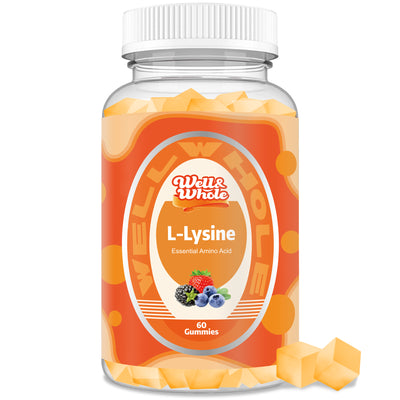
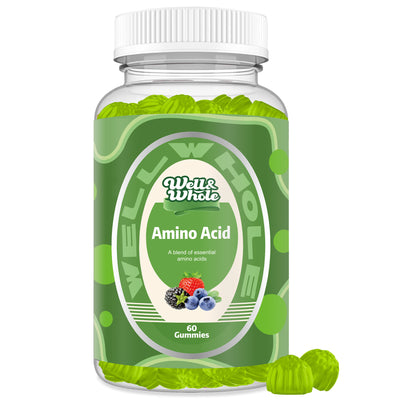
For example, well&whole’s high-grade collagen-based supplements feature optimized amounts of Proline to promote skin and joint health. Similarly, their essential amino acid complexes integrate Lysine for immune support and energy production. These products are carefully curated to address gaps in modern diets, delivering value without compromise.
The Broader Value of Biochemical Insights
Understanding why Proline and Lysine bypass transamination isn’t just a niche academic inquiry; it holds significant relevance for health-conscious consumers. Armed with this knowledge, both individuals and healthcare providers can make smarter choices regarding supplementation and dietary planning. Moreover, as awareness grows of the intricate role amino acids play in our well-being, brands like well&whole are uniquely positioned to lead the conversation with science-backed products designed for holistic health.
Final Takeaway
The exceptions of Proline and Lysine in transamination remind us of the complexity and beauty of human biochemistry. By identifying their metabolic nuances, individuals can better address their nutritional needs and optimize physiological performance. With well&whole, you’re not just accessing supplements—you’re embracing a philosophy rooted in science, offering a pathway to balanced living and exceptional health.
What L-lysine does in the body
Lysine is one of the nine essential amino acids used to build proteins. It contributes to normal protein synthesis and is found naturally in meat, fish, dairy, and legumes.
Many people explore lysine during periods when they want extra immune and skin-support routines, such as around seasonal stress.
How L-lysine is commonly taken
It is available as capsules, gummies, and powders. A typical approach is a consistent daily serving, though some people adjust timing around specific needs.
Because it is an amino acid, taking it with food is common, but the best routine is the one you will follow consistently.
Who might be interested
Adults focused on skin and immune support, and those with diets low in complete proteins, often consider lysine.
Vegetarians and vegans may pay extra attention, since plant proteins can be lower in lysine.
How to choose a quality lysine supplement
Check the elemental L-lysine amount per serving and look for third-party testing. Gummies offer convenience; capsules offer precision.
If you take calcium or other minerals, discuss timing with a healthcare professional.
This article is for general wellness education and is not intended to diagnose, treat, cure, or prevent any condition. Individual needs vary—always review product labels and consult a qualified healthcare professional before starting any new supplement.
Related supplements
Explore the full well&whole supplement collection to find formats and combinations that fit your routine.
These statements have not been evaluated by the Food and Drug Administration. This product is not intended to diagnose, treat, cure, or prevent any disease.