Why are amino acids often referred to as 'residues'

Understanding the Connection Between Amino Acids and Their Residue Terminology
Key Takeaways
- Amino acids are the building blocks of protein, used for normal muscle, enzyme, and neurotransmitter synthesis.
- Essential ones must come from diet or supplements; others the body can make.
- Follow label servings and consult a professional if you have a medical condition.
Amino acids play an essential role in human health, contributing to everything from protein synthesis to neurotransmitter regulation. For industries like ours at well&whole, which specializes in premium health supplements, amino acids are core components in many of our offerings. Yet one aspect of amino acid research often raises questions: why are they referred to as 'residues' in scientific contexts? Understanding this terminology will not only deepen your grasp of amino acid chemistry but also highlight their significance across biological systems and wellness products.
Breaking Down the Term 'Residue'
In biochemistry, amino acids are the building blocks of proteins. During protein synthesis, amino acids are linked together via peptide bonds to form long chains, known as polypeptides. Once an amino acid becomes part of this chain, it undergoes a subtle transformation: its distinct molecular structure changes as certain components (like water) are lost during the bonding process. What remains in the chain—essentially, the core identity of that amino acid—becomes known as its residue.
By using the term "residue," scientists differentiate the chemically altered structure of amino acids within proteins from their free, unbound forms. This seemingly minor distinction is critical to understanding the protein structure and function, particularly in fields like biotechnology, pharmacology, and nutrition.
Why This Matters in Everyday Life
Amino acid residues aren’t just an academic concern—they’re integral to biology at every level. Consider these key roles:
-
Protein Folding and Function: Residues determine how proteins fold, impacting their biological activity. Improper folding is linked to diseases such as Alzheimer's and cystic fibrosis.
-
Disease Prevention: Amino acid residues are sites of enzymatic reactions, essential for preventing oxidative damage or breaking down harmful substances in the body.
-
Nutritional Formulation: When developing health supplements, such as those offered by well&whole, understanding residue interactions helps optimize bioavailability, ensuring customers receive effective products that contribute to their health goals.
How Amino Acid Residues Relate to Your Wellness
For those seeking better health through supplementation, knowing this science is invaluable. Amino acid-based supplements, like well&whole's proprietary blends, target specific health concerns by supplying essential amino acids often unavailable in sufficient quantities via diet. For example:
-
Promoting Muscle Recovery: Branched-chain amino acids (BCAAs) like leucine, isoleucine, and valine—often referred to in terms of their residues—support muscle repair and growth, particularly after intense exercise.
-
Enhancing Cognitive Function: Certain residues, such as tryptophan-derived serotonin precursors, play critical roles in mood regulation and stress management.
-
Boosting Immune Health: Amino acid residues in glutamine-rich proteins offer direct support to immunity during times of physical and environmental stress.
Statistical Insights: Amino Acids in the Wellness Market
The global market for amino acid supplements is growing rapidly, projected to reach over $9 billion by 2027. Research shows more than 84% of consumers look for natural solutions to improve energy, recovery, and overall vitality. Brands like well&whole are meeting this demand with thoughtfully formulated products combining scientific precision and consumer trust.
The Future of Amino Acids in Health Science
Understanding amino acid residues is more than academic—it opens doors to innovations in medical research, personalized nutrition, and targeted therapies. At well&whole, we apply cutting-edge science to deliver tangible wellness benefits. By harnessing the unique properties of amino acid residues, we empower our customers to unlock their full health potential.
Take Action for Better Health
Curiosity about health topics, especially those tied to science, creates opportunities to make informed decisions. Whether you're rebuilding strength after surgery, striving for peak cognitive performance, or looking to improve your overall well-being, high-quality amino acid supplements can be game-changers. Explore the well&whole range to discover how expertly developed formulations deliver superior results by leveraging the science of amino acid residues.
By demystifying terms like "residue," we not only foster better understanding but also help you make smarter choices. Share this article with a friend or family member who’s equally passionate about taking charge of their health. Together, let's make knowledge the foundation for wellness.
Related supplements
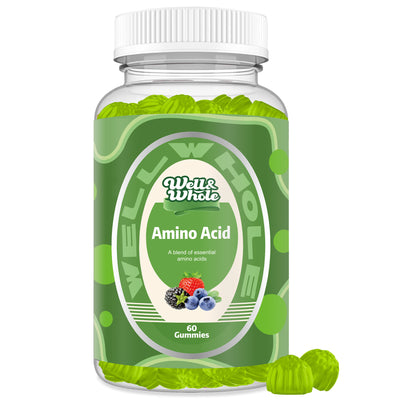
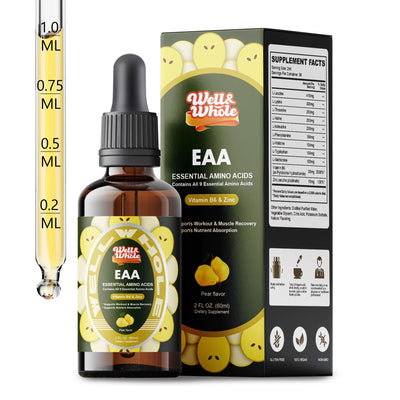
If you'd like to try it, EAA Gummie 60 counts Essential Amino Acids Supplement Gummies for Men and Women and Essential Amino Acid (EAA) Liquid Drops & Liver Support Liquid Supplement are the closest match to what we've covered here. Browse Amino Acids and Muscle Support to see how the alternatives compare.
Why amino acids matter
Amino acids build proteins that support normal muscle tissue, enzymes, and signaling molecules. The nine essentials must be obtained from food or supplements.
Active adults and older adults often pay attention to intake to support normal protein synthesis.
How amino supplements are commonly used
Powders, capsules, and liquids are taken around training or distributed through the day. Consistency within labeled servings is key.
Pairing with a protein-adequate diet maximizes benefit.
Who might be interested
Active adults, older adults, and plant-based eaters watching protein quality often use amino supplements.
Those with kidney or metabolic conditions should consult a healthcare professional.
How to choose a quality product
Verify the specific amino acid and amount per serving, third-party testing, and clean sourcing.
How to fit amino acid supplements into a daily routine
Consistency matters more than perfection. Most people do best by attaching a supplement to an existing habit—morning coffee, a post-workout shake, or an evening wind-down—so it becomes automatic rather than another task to remember.
Start with the labeled serving and give it a few weeks of regular use before judging how it fits. Keep a simple note of how your routine feels; that feedback helps you adjust timing or format.
What to look for when reading the label
A transparent label states the active amount per serving, the form of the ingredient, and any third-party testing or quality certifications. Avoid products that hide specifics behind proprietary blends.
Check serving size, other added ingredients, and storage instructions. If anything is unclear, a reputable brand's customer support should answer directly—and a healthcare professional can help you match a product to your needs.
When to check in with a professional
If you are pregnant, nursing, taking medication, or managing a health condition, a quick conversation with a qualified healthcare professional is the safest starting point.
They can help you weigh potential interactions and decide whether a given supplement is appropriate for your individual situation.
A note on consistency and patience
Supplements are rarely a single-event fix. The benefits people notice—steadier energy, smoother recovery, an easier daily routine—tend to accumulate over weeks of regular use. Give any new addition a fair trial before drawing conclusions.
How this fits a broader wellness picture
Most people get the best results when a supplement supports an already reasonable diet, sleep, and activity pattern. Think of it as one input among many, not a substitute for the fundamentals.
This article is for general wellness education and is not intended to diagnose, treat, cure, or prevent any condition. Individual needs vary—always review product labels and consult a qualified healthcare professional before starting any new supplement.
These statements have not been evaluated by the Food and Drug Administration. This product is not intended to diagnose, treat, cure, or prevent any disease.