Who Should Not Take Magnesium Taurate Safety Guide
Discover who should not take magnesium taurate\, key contraindications\, drug interactions\, and safer alternatives for heart and nerve health

What is Magnesium Taurate & Why Do People Take It?
If you are looking to support your heart health, manage stress, or keep your blood pressure in a healthy range, you have probably come across magnesium taurate. It is a highly bioavailable form of magnesium that combines the mineral with an amino acid, making it incredibly effective for specific wellness goals.
The Anatomy of the Compound
Magnesium taurate is a molecular complex where magnesium is chemically bonded to taurine, an amino acid known for supporting cardiovascular and neurological health. Instead of just delivering a generic dose of magnesium, this specific pairing ensures that both components work together synergistically, targeting your heart and blood vessels directly.
Primary Benefits
People turn to this specific supplement for targeted health benefits:
- Blood Pressure Regulation: It helps relax blood vessels, promoting healthy circulation.
- Heart Rhythm Support: Both magnesium and taurine stabilize cardiac cell membranes.
- Stress & Anxiety Relief: Taurine acts as a calming agent in the brain, enhancing the natural relaxing properties of magnesium.
- Insulin Sensitivity: It supports healthy metabolic function and glucose regulation.
Why Its Unique Chemistry Alters Its Safety Profile
Because magnesium taurate is exceptionally well-absorbed by the body, it behaves differently than cheaper options like magnesium oxide. Its high bioavailability means you need a smaller dose to see results, resulting in fewer digestive issues. However, because both magnesium and taurine exert a strong lowering effect on blood pressure and heart rate, this unique chemistry means it is not suitable for everyone.
| Feature | Magnesium Taurate | Standard Magnesium (e.g., Oxide) |
|---|---|---|
| Absorption Rate | Extremely High | Low to Moderate |
| Primary Target | Heart, Blood Vessels, Nervous System | General Deficiencies, Laxative Effect |
| Impact on Blood Pressure | Strong Synergistic Lowering Effect | Mild Lowering Effect |
| Digestive Comfort | Gentle on the stomach | High risk of diarrhea or cramping |
Absolute Contraindications: Who Should Avoid Magnesium Taurate Completely?
While magnesium is an essential mineral, certain health conditions make magnesium taurate supplementation highly dangerous. For these specific groups, taking this supplement can lead to severe health complications, meaning it should be avoided entirely unless explicitly directed by a medical professional.
1. Individuals with Advanced Kidney Disease (CKD)
The kidneys are responsible for filtering excess minerals out of the bloodstream. In cases of advanced chronic kidney disease (CKD), magnesium clearance drops significantly. When the kidneys cannot eliminate the mineral, it builds up in the blood, rapidly leading to severe magnesium toxicity symptoms. Individuals with stage 4 or stage 5 kidney disease must avoid these supplements to prevent life-threatening mineral imbalances.
2. People with Severe Heart Block (2nd or 3rd-Degree AV Block)
Magnesium naturally relaxes muscles and slows down electrical conduction in the heart. For individuals with severe heart block—specifically second or third-degree atrioventricular (AV) block—this relaxation effect can be fatal. Introducing extra magnesium can further disrupt the heart's electrical signals, potentially causing the heart rate to drop to dangerously low levels or stop altogether. Anyone with these specific heart block and magnesium complications must strictly steer clear.
3. Patients Diagnosed with Myasthenia Gravis
Myasthenia gravis is a chronic autoimmune disorder that weakens the skeletal muscles. Because magnesium acts as a natural muscle relaxant by blocking neuromuscular transmission, it can severely worsen muscle weakness in these patients. Taking myasthenia gravis magnesium supplements can trigger a critical worsening of symptoms, including acute respiratory distress due to weakened breathing muscles.
If you do not have these severe health conditions and are looking for a safe, effective way to support your cardiovascular system and rest, our specialized magnesium taurate gummies offer a precisely measured, high-quality formula designed for optimal absorption.
Relative Contraindications: Who Should Use Extreme Caution?
While some people must avoid this supplement entirely, others need to approach it with a high degree of vigilance. Because of how this specific molecular bond behaves in the body, certain health profiles require a cautious, measured approach before starting a regimen.
1. Individuals with Chronic Low Blood Pressure (Hypotension)
If your baseline blood pressure runs low, you need to watch out for the specific cardiovascular side effects of magnesium. Magnesium relaxes blood vessels, and taurine naturally modulates vascular tone. Together, they can cause a compounding drop in blood pressure. If you are already prone to dizziness, fainting, or fatigue from hypotension, this combination can push your numbers down into an unsafe zone.
2. Pregnant or Lactating Individuals
Pregnancy and breastfeeding completely alter how your body processes minerals. While magnesium itself is vital during pregnancy, the safety data on high-dose taurine supplementation during gestation and lactation is still limited. Out of an abundance of caution, pregnant or nursing mothers should never introduce a specialized compound like magnesium taurate without direct medical oversight. If you are looking for general health support during this time, focusing on clean, well-tolerated nutrient sources like pumpkin seed oil gummies or standard prenatal vitamins is a much safer, time-tested path.
3. Gastrointestinal Sensitivity (Crohn’s, Celiac, IBS)
When comparing magnesium taurate vs glycinate safety, taurate is generally considered gentle on the stomach compared to harsher forms like magnesium citrate. However, if you suffer from an active flare-up of Crohn’s disease, Celiac disease, or severe Irritable Bowel Syndrome (IBS), your gut lining is already compromised. Any concentrated mineral supplement can draw water into the bowel or irritate a sensitive GI tract, leading to cramping, diarrhea, or poor nutrient absorption.
- What to monitor: Keep a daily log of your blood pressure and digestive comfort.
- The golden rule: Always introduce this supplement at a fractional dose to test your biological tolerance.
Serious Drug Interactions: Medications That Don't Mix with Magnesium Taurate

Magnesium taurate is a highly bioavailable compound, but its strong effects on the cardiovascular and nervous systems mean it can dangerously interfere with certain prescription drugs. If you are taking any of the following medications, you need to be extremely careful before introducing a magnesium taurate supplement into your routine.
1. Cardiovascular Medications
Because magnesium taurate naturally relaxes blood vessels and supports heart rhythm, combining it with prescription heart drugs can cause an additive effect, dropping your vitals too low.
- Calcium Channel Blockers: Medications like amlodipine or diltiazem work by blocking calcium to relax blood vessels. Magnesium acts as a natural calcium channel blocker. Taking them together can lead to severe hypotension (low blood pressure) and profound fatigue.
- Beta-Blockers and Anti-Arrhythmics: Drugs like metoprolol or amiodarone slow down your heart rate. Magnesium taurate also slows electrical conduction in the heart. Combining them increases the risk of bradycardia (an abnormally slow heartbeat).
2. Common Antibiotics
Magnesium can bind to certain antibiotics in the digestive tract, preventing your body from absorbing the medication and rendering the treatment ineffective.
- Tetracyclines: Drugs like doxycycline and minocycline bind directly to magnesium.
- Fluoroquinolones: Common antibiotics like ciprofloxacin (Cipro) and levofloxacin (Levaquin) also suffer from magnesium and antibiotic interactions.
The Fix: To avoid this interaction, you must space your doses out. Take your magnesium supplement at least 2 hours before or 4 to 6 hours after taking any antibiotic.
3. Neurological & Pain Medications
Both magnesium and taurine cross the blood-brain barrier and exert a calming, inhibitory effect on the central nervous system.
- Muscle Relaxants: Taking magnesium taurate alongside muscle relaxants like baclofen or cyclobenzaprine can amplify muscle weakness and sedation.
- Gabapentin: Magnesium can significantly reduce the absorption of gabapentin. You should space these out by at least 2 hours to ensure you get the full dose of your nerve pain medication.
4. Bone Density & Hormone Therapies
Magnesium competes directly with other minerals and specific medications for absorption in the gut.
- Bisphosphonates: These osteoporosis medications (like alendronate or Fosamax) are notoriously difficult for the body to absorb. Magnesium taurate will block their absorption almost entirely if taken at the same time. Always wait at least 30 minutes to an hour after taking your bone density medication before consuming magnesium.
- Thyroid Hormones: If you take levothyroxine for hypothyroidism, magnesium can bind to it in the stomach, leading to decreased effectiveness and low thyroid levels. Separate these medications by at least 4 hours.
| Medication Class | Interaction Risk | Management Strategy |
|---|---|---|
| Blood Pressure Meds | Dangerously low blood pressure / slow heart rate | Monitor vitals; consult your doctor for dose adjustments |
| Antibiotics | Reduced antibiotic absorption and failure to clear infection | Separate doses by 2 hours before or 4–6 hours after |
| Bisphosphonates | Poor bone density medication efficacy | Take magnesium at least 30–60 minutes after the medication |
| Thyroid Hormones | Reduced thyroid hormone absorption | Separate doses by at least 4 hours |
Recognizing Magnesium Taurate Toxicity & Overdose
While magnesium taurate is highly bioavailable, taking too much can overwhelm your body's ability to filter it out. Knowing the warning signs of a magnesium overdose helps you stop a minor issue before it becomes a medical emergency.
Mild to Moderate Side Effects
Before reaching toxic levels, your body will usually give you early warning signs that you have hit your bowel tolerance or taken too much elemental magnesium.
- Loose stools and diarrhea
- Nausea and abdominal cramping
- Mild dizziness or lethargy
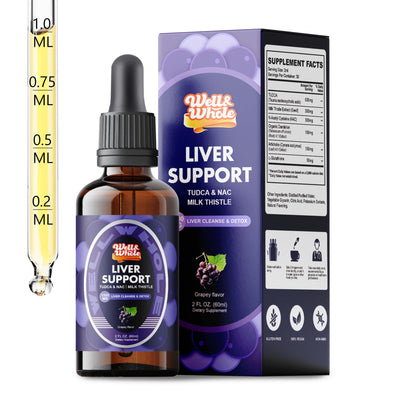
If you experience these symptoms, it is a clear sign to lower your daily dosage of magnesium taurate or pause supplementation. To support your body's natural filtering and elimination processes during a detox or supplement reset, incorporating targeted nutrients like liver support liquid drops can help maintain optimal metabolic function.
Red Flag Symptoms of Hypermagnesemia
When blood levels of magnesium spike dangerously high, it triggers a condition called hypermagnesemia. This is a severe medical issue that requires immediate attention.
Warning: If you experience any of the following cardiovascular or neurological side effects of magnesium, seek emergency medical care immediately.
- Extreme Hypotension: A sudden, dangerous drop in blood pressure.
- Muscle Weakness: A feeling of profound lethargy or an inability to lift your limbs, caused by the mineral overly relaxing neuromuscular transmission.
- Bradycardia: A dangerously slow heart rate or irregular heartbeat.
- Respiratory Distress: Slowed, shallow breathing or difficulty catching your breath.
- Loss of Deep Tendon Reflexes: A classic clinical sign where your muscles fail to react to standard reflex tests.
What to Do
If you suspect a magnesium taurate overdose, immediate action is required to prevent serious complications like cardiac arrest.
- Stop Supplementation: Immediately halt all intake of magnesium taurate, antacids, or laxatives containing magnesium.
- Hydrate Aggressively: Drink plenty of water if your kidneys are healthy to help flush the excess minerals out through your urine.
- Seek Emergency Care: Go to the nearest emergency room. Medical professionals can administer intravenous calcium gluconate, which directly reverses the effects of magnesium toxicity on the heart and muscles. In severe cases involving kidney failure, dialysis may be required to clear the excess mineral from your system.
Choosing the Right Path: Comparison Guide
If you realize that magnesium taurate isn't the right fit for your body—or if you fall into one of the high-risk categories—you still have excellent options. Different forms of magnesium target completely different systems in the body because of the molecules they are bound to.
Magnesium Taurate vs. Glycinate vs. Citrate Comparison
The table below breaks down how our main magnesium options stack up so you can easily evaluate alternative forms based on your specific health goals and safety needs.
| Magnesium Form | Best Used For | Absorption Rate | Primary Side Effect Risk | Who Should Avoid It |
|---|---|---|---|---|
| Magnesium Taurate | Cardiovascular support, blood pressure regulation, and nerve calm. | High | Low GI upset; potential interactions with blood pressure medications. | People with severe heart block, advanced kidney disease, or low blood pressure. |
| Magnesium Glycinate | Anxiety, chronic stress, insomnia, and muscle relaxation. | Highest | Very low; highly gentle on the stomach. | Those with severe renal impairment or hypersensitivity to glycine. |
| Magnesium Citrate | Occasional constipation and general magnesium deficiency. | High | High laxative effect; can cause watery stools or cramping. | Individuals with active bowel inflammation, chronic diarrhea, or severe gastrointestinal sensitivity. |
How to Transition or Evaluate Alternative Forms
Switching to a different form of magnesium requires a methodical approach to prevent overlapping dosages and minimize side effects.
- Establish a Washout Period: When stopping magnesium taurate due to low blood pressure or heart rate concerns, allow 24 to 48 hours for the taurine component to completely clear your system before starting a new form.
- Start Low and Move Slow: Begin your alternative form at half the recommended daily dose. For example, if transitioning to magnesium glycinate for sleep, start with 100 mg to 150 mg to gauge your bowel tolerance and blood pressure response.
- Time it Right: Take bowel-stimulating forms like magnesium citrate with a full glass of water mid-day, while keeping calming forms like glycinate for evening use.
- Monitor Specific Biomarkers: Keep a daily log of your resting heart rate, blood pressure, and digestive comfort during the first two weeks of any transition to ensure your new choice aligns with your metabolic baseline.
Related supplements
Where to begin? Our Magnesium Taurate Gummies 1800mg, Magnesium Taurate Supplement, High Absorption& chewable for Kid and Adults, is a sensible place to start, and the Magnesium Taurate collection lays out the other formats side by side with Magnesium.
These statements have not been evaluated by the Food and Drug Administration. This product is not intended to diagnose, treat, cure, or prevent any disease.