Which Supplements Matter Most After 50?

After age 50, nutrient absorption declines, hormone shifts alter requirements, and decades of lifestyle choices begin to show in biomarkers. The supplements worth prioritizing at this stage are not the trendy ones — they are the boring, well-studied nutrients that address the specific physiological changes of midlife and beyond: declining absorption, increased inflammation, slower recovery and shifting body composition.
The goal after 50 shifts from "building" to "maintaining and protecting." Supplement choices should reflect that pivot: preserve bone density, support cardiovascular health, protect cognition and maintain muscle mass rather than chasing performance gains.
Why needs change after 50
Several physiological shifts converge around midlife. Stomach acid production declines, reducing absorption of B12, iron, calcium and magnesium. Skin synthesizes less vitamin D from the same sunlight exposure. Muscle protein synthesis becomes less responsive to the same stimulus (anabolic resistance), requiring more dietary protein to maintain lean mass. And inflammatory markers tend to rise baseline, accelerating wear on joints, vessels and brain tissue.
Vitamin D: the universal priority
Vitamin D deficiency rates climb sharply with age due to reduced skin synthesis, less outdoor time and poorer renal conversion to the active form. Low D is linked to bone loss, falls, frailty, respiratory infection, cardiovascular events and cognitive decline. Testing 25(OH)D and supplementing to reach 40–60 ng/mL is one of the highest-return investments in preventive health for adults over 50.
Vitamin B12: absorption collapses
B12 requires stomach acid and intrinsic factor for absorption, both of which decline with age. Up to 20% of adults over 50 have subclinical B12 deficiency, presenting as fatigue, brain fog, numbness or mood changes that mimic "normal aging." B12 supplementation is safe, inexpensive and reverses deficiency when caught. Methylcobalamin or adenosylcobalamin forms are preferred over cyanocobalamin for better retention.
Magnesium: the underrated foundation
Dietary magnesium intake drops with age while requirements stay constant or rise. Low magnesium correlates with insulin resistance, hypertension, arrhythmia risk, bone loss and poor sleep quality. Chelated forms (bisglycinate, taurate, glycinate) absorb well and minimize the laxative effect that plagues oxide forms at higher doses.
Omega-3 fatty acids: cardiovascular and cognitive protection
EPA and DHA from fish oil reduce triglycerides, mildly lower blood pressure, support cell membrane fluidity in the brain and have anti-inflammatory effects throughout the body. For people who do not eat fatty fish twice weekly, 1–2 grams of combined EPA+DHA daily is a reasonable evidence-based target. Quality matters: choose products tested for oxidation and heavy metals.
Joint and bone support
Collagen peptides, glucosamine, chondroitin and hyaluronic acid show mixed but promising results for joint comfort and mobility. Evidence is stronger for collagen type II and hydrolyzed collagen peptides than for isolated glucosamine alone. For bone health, vitamin D, vitamin K2, calcium and magnesium work as a team — supplementing one without considering the others is inefficient.
Muscle preservation
Sarcopenia (age-related muscle loss) begins earlier than most people realize — potentially in the late 30s for inactive individuals. Resistance exercise is non-negotiable for preservation, but nutrition plays a supporting role: adequate protein (1.2–1.6 g/kg of body weight), creatine monohydrate (3–5 g daily), HMB for those unable to train heavily, and EAAs to maximize muscle protein synthesis per meal.
What to skip
Not every supplement marketed to the 50+ demographic has evidence behind it. Multivitamins often underdose the very nutrients that matter most (D, B12, magnesium, omega-3s) while overdosing things you probably get enough of. Anti-aging "longevity" compounds often have interesting animal data but zero human trials. Start with the basics that have decades of human research, then add targeted items only for specific, diagnosed needs.
Personalization beats lists
The ideal stack depends on sex, diet, lab results, medication list and family history. A postmenopausal woman has different priorities than a 55-year-old man training for a marathon. Blood work every year or two — checking vitamin D, B12, fasting glucose, lipids, hs-CRP and thyroid function — turns guesswork into a targeted plan.
Key takeaways
- After 50, prioritize vitamin D, B12, magnesium and omega-3s as foundational.
- Absorption declines with age, making previously adequate diets insufficient for some nutrients.
- Muscle preservation requires both resistance training and sufficient protein/amino acids.
- Joint and bone support works best as coordinated teams, not single ingredients.
- Annual blood work guides personalization better than any generic "over-50" list.
Frequently asked questions
Do I need a multivitamin after 50?
A multivitamin is insurance, not optimization. It fills gaps but rarely provides therapeutic doses of the nutrients that matter most. Targeted single-nutrient supplementation based on your actual status is more effective.
Can supplements replace a healthy diet?
No. Supplements address specific gaps; food provides the matrix of cofactors, fiber and phytonutrients that isolated nutrients cannot replicate. Use supplements to augment, not substitute.
How do I know which supplements interact with my medications?
This is the single most important safety question. Review your full supplement plan with your clinician or pharmacist, especially if you take blood thinners, diabetes medications, blood-pressure drugs or thyroid hormones.
Is it too late to start supplementing after 60?
No. While earlier intervention prevents more deficit accumulation, starting at any age produces measurable improvements in energy, cognition, mobility and biomarkers within weeks to months.
Related supplements
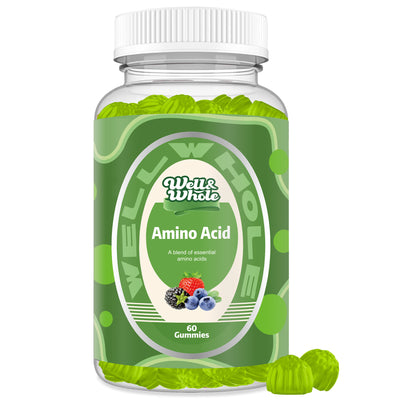
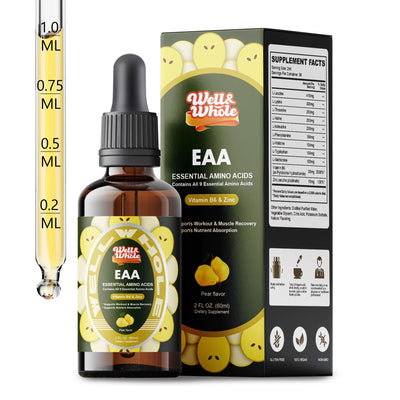
Putting it simply: if this is something you want to add to your routine, our EAA Gummie 60 counts Essential Amino Acids Supplement Gummies for Men and Women and Essential Amino Acid (EAA) Liquid Drops & Liver Support Liquid Supplement are a good place to start. The wider Amino Acids collection is worth a look, and the Muscle Support range covers related formats.
These statements have not been evaluated by the Food and Drug Administration. This product is not intended to diagnose, treat, cure, or prevent any disease. Talk to a healthcare professional before starting any new supplement, especially if you are pregnant, nursing, taking medication, or managing a health condition.