Which of the Following Amino Acids Are Essential Guide
Discover which amino acids are essential with a clear list of the 9 EAAs roles food sources and tips for complete protein intake

Which of the Following Amino Acids Are Essential? What’s the Difference?
Amino acids are the building blocks of protein, and your body needs 20 of them to grow, repair tissue, and function properly. While they all matter for optimal health and nutrition, we classify them into three distinct groups based on how your body gets them.
Here is the quick breakdown of how these groups differ:
| Amino Acid Type | Total Number | Can Your Body Make It? | Do You Need to Eat It? |
|---|---|---|---|
| Essential | 9 | No | Yes (Must come from food) |
| Non-Essential | 11 | Yes | No (The body synthesizes these) |
| Conditionally Essential | Varies | Usually, yes | Only during illness or stress |
The 9 Essential Amino Acids (Must Come from Food)
Your body cannot manufacture these 9 amino acids from scratch. If you do not get them through your dietary protein intake, your body cannot complete protein synthesis, which halts muscle repair and enzyme production.
The 9 essential amino acids are:
- Phenylalanine (Crucial for neurotransmitter production)
- Valine (One of the three branched-chain amino acids (BCAAs))
- Threonine (Supports structural proteins like collagen)
- Tryptophan (The precursor to serotonin)
- Methionine (Essential for metabolism and detox)
- Leucine (The main trigger for muscle protein synthesis)
- Isoleucine (Heavily involved in muscle metabolism and immune function)
- Lysine (Vital for hormone production and bone health)
- Histidine (Important for immune response and histidine benefits like nerve protection)
The 11 Non-Essential Amino Acids (The Body Synthesizes These)
"Non-essential" doesn't mean your body doesn't need them. It just means you don't have to eat them. As long as you maintain a positive nitrogen balance, your liver naturally creates these 11 compounds out of other molecules.
The 11 non-essential amino acids include:
- Alanine, Arginine, Asparagine, Aspartic Acid, Cysteine, Glutamic Acid, Glutamine, Glycine, Proline, Serine, and Tyrosine.
What Are Conditionally Essential Amino Acids?
Under normal circumstances, your body handles the production of non-essential amino acids perfectly. However, during times of severe physical stress, injury, illness, or intense prolonged training, your body's demands outpace its production capacity.
In these moments, certain non-essential amino acids like Glutamine, Arginine, and Glycine become "conditionally essential," meaning you must temporarily get them from food or supplements to prevent an essential amino acid deficiency.
Meet the "Mighty 9": Profiles, Roles, and Health Benefits
When looking into which of the following amino acids are essential, these are the nine specific compounds your body cannot manufacture on its own. Every single one of these plays a non-negotiable role in protein synthesis, muscle repair, and overall metabolic health.
Quick Guide to the 9 Essential Amino Acids
| Essential Amino Acid | Primary Role & Health Benefits | Key Functions |
|---|---|---|
| 1. Phenylalanine | Precursor for neurotransmitter production | Supports mood, brain function, and nervous system health. |
| 2. Valine | One of the three branched-chain amino acids (BCAAs) | Stimulates muscle growth, tissue regeneration, and energy production. |
| 3. Threonine | Structural component of collagen and elastin | Crucial for skin health, connective tissue, and fat metabolism. |
| 4. Tryptophan | Essential precursor to serotonin and melatonin | Regulates sleep cycles, mood, and emotional balance. |
| 5. Methionine | Sulfur-containing amino acid for tissue growth | Aids metabolism, detoxification, and the absorption of zinc and selenium. |
| 6. Leucine | The primary trigger for muscle protein synthesis | Crucial for muscle repair, blood sugar regulation, and wound healing. |
| 7. Isoleucine | BCAA heavily concentrated in muscle tissue | Isolated to muscle metabolism, immune function, and hemoglobin production. |
| 8. Lysine | Crucial for protein synthesis and bone health | Enhances calcium absorption, hormone production, and immune support. |
| 9. Histidine | Precursor to histamine for immune response | Essential for maintaining the myelin sheaths that protect nerve cells. |
Targeted Support for the Mighty 9
While a balanced diet covers your baseline, specific lifestyle demands—like heavy athletic training or a plant-based diet—often require targeted intake.
- Leucine, isoleucine, and valine: These three are your branched-chain amino acids (BCAAs). If your focus is building lean muscle, managing nitrogen balance, or accelerating recovery after intense workouts, keeping these high is critical.
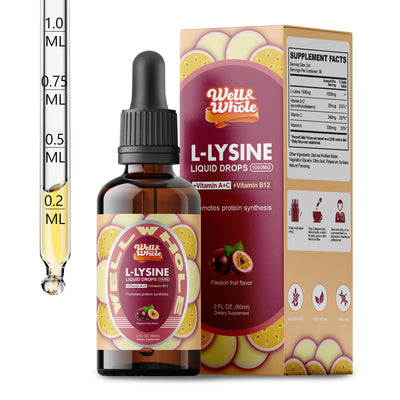
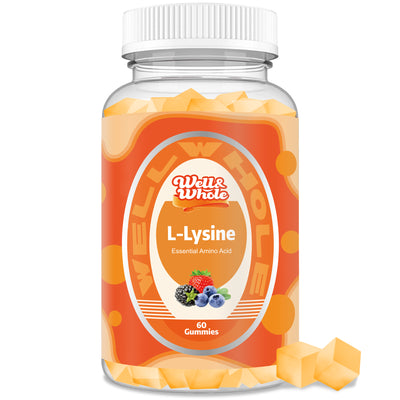
- Lysine support: Lysine is heavily utilized in building connective tissues and maintaining skin integrity. For daily wellness, many of our community members rely on easy absorption methods like L-Lysine supplement liquid drops or convenient, daily L-Lysine essential amino acid supplement gummies to meet daily requirements effortlessly.
- Histidine benefits: Beyond basic cellular growth, histidine plays an essential role in protecting nerve cells and supporting a robust immune response through regular histamine regulation.
Ensuring proper dietary protein intake or utilizing clean supplementation keeps these essential amino acid levels optimized so your body never has to break down its own lean muscle mass to function.
Complete vs. Incomplete Proteins: Fueling Your Body Right
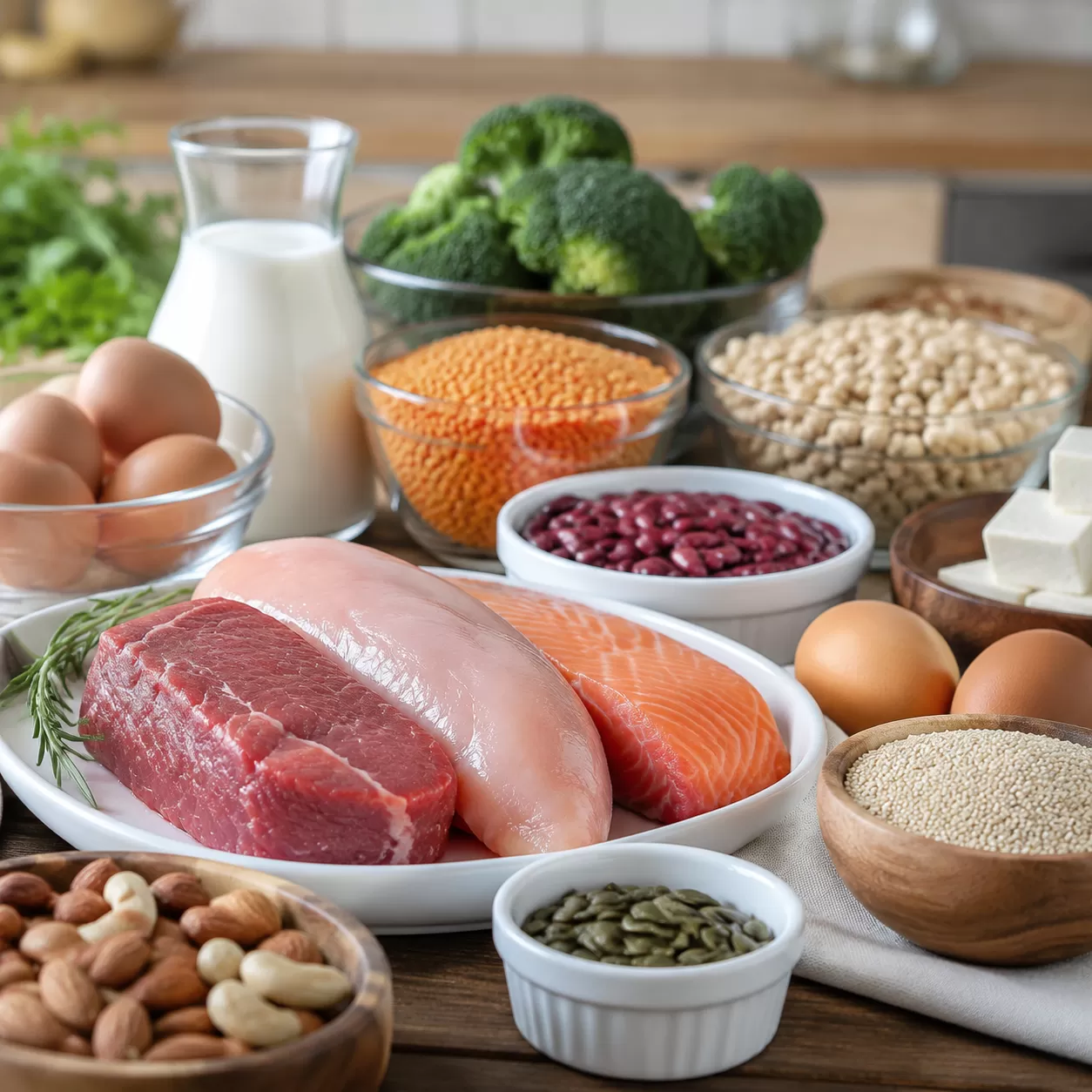
To keep your muscle protein synthesis running smoothly, your body requires a steady supply of all nine essential amino acids. However, not all dietary protein intake is created equal. When evaluating your food choices, the focus naturally shifts to whether a food is a complete or incomplete protein source.
Animal-Based Complete Proteins
Animal proteins are the gold standard for full nutrition because they are naturally complete. This means they contain all nine essential amino acids in the exact proportions your body needs for recovery, cellular repair, and optimal health and nutrition.
- Top Sources: Beef, poultry, fish, eggs, and dairy.
- The Benefit: They offer high bioavailability, meaning your body easily absorbs and utilizes the nutrients.
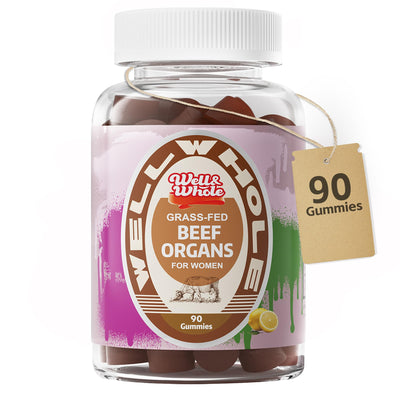
For those looking to fill nutritional gaps with dense, whole-food nourishment, incorporating targeted supplements like grass-fed beef organ gummies is an excellent way to support your daily intake with vital micronutrients alongside a balanced diet.
Plant-Based Solutions for a Whole Diet
If you lean toward a plant-based diet, getting your building blocks of protein requires a little more strategy. Most plant foods are incomplete proteins, meaning they lack one or more of the necessary amino acids.
Fortunately, you can easily solve this by combining different plant-based protein alternatives throughout the day to achieve a proper nitrogen balance.
| Plant Protein Type | Missing Amino Acids | Ideal Pairing Partner | Combined Result |
|---|---|---|---|
| Grains (Rice, Wheat) | Lysine | Legumes (Beans, Lentils) | Complete Protein |
| Legumes (Chickpeas, Peanuts) | Methionine, Tryptophan | Grains or Seeds | Complete Protein |
| Seeds & Nuts (Hemp, Chia) | Lysine, Threonine | Legumes | Complete Protein |
Pro Tip: You do not need to eat complementary proteins at the exact same meal. As long as you consume a variety of these foods throughout the day, your body will successfully pool the amino acids to maintain health and support muscle tissue.
When your body isn't getting enough building blocks of protein, it wastes no time sending clear distress signals. Because your system cannot synthesize the essential amino acids, a dietary deficit quickly disrupts protein synthesis and throws off your body's vital nitrogen balance.
For individuals across the United States juggling busy lifestyles, recognizing these red flags is crucial for maintaining optimal health and nutrition.
An essential amino acid deficiency typically manifests through several distinct physical signs:
- Muscle Wasting and Weakness: Without a steady supply of leucine, isoleucine, and valine, your body breaks down existing muscle tissue to fuel basic survival needs, stalling muscle protein synthesis.
- Chronic Fatigue and Brain Fog: Amino acids like tryptophan and phenylalanine are critical for neurotransmitter production. A shortage can leave you feeling constantly drained, moody, or unfocused.
- Stagnant Recovery: Slow healing from workouts, frequent injuries, or cuts that take too long to mend point directly to a lack of cellular repair materials.
- Brittle Hair, Skin, and Nails: A drop in systemic protein levels forces your body to ration amino acids, cutting off supply to non-essential aesthetic structures.
- Weakened Immune Response: Falling sick more frequently happens when your immune system lacks the specific proteins required to produce antibodies.
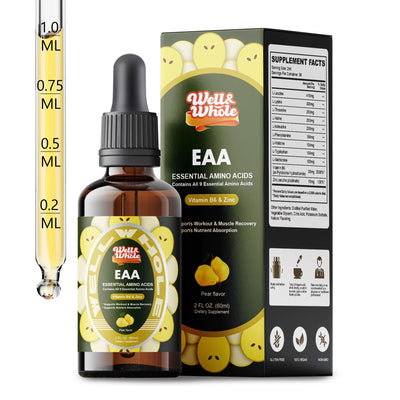
If you recognize these symptoms in your daily routine, it is often a sign that your current dietary protein intake is falling short. Transitioning to reliable, highly bioavailable options like our easy-to-use essential amino acid EAA liquid can rapidly close these nutritional gaps and restore your physical vitality.
Do You Need an Essential Amino Acid (EAA) Supplement?
For most Americans hitting their daily dietary protein intake through whole foods, a standalone EAA supplement isn't strictly necessary. Your body effortlessly extracts the building blocks of protein from a well-rounded diet. However, specific lifestyles and fitness goals change the math entirely.
If you train hard on a plant-based diet, supplement with branched-chain amino acids (BCAAs), or struggle to retain lean mass, targeted EAAs can provide a major advantage. They bypass the digestive breakdown required by whole foods, surging directly into the bloodstream to trigger muscle protein synthesis and maintain a positive nitrogen balance.
We often recommend looking at your foundational nutrition before adding isolated powders. If you are using whole-food supplements to fill nutritional gaps, pairing them with high-quality nutrients ensures your body has everything it needs for optimal health and nutrition. For instance, incorporating nutrient-dense options like our grass-fed beef liver supplement gummies provides a natural, bioavailable spectrum of micronutrients that complement your daily protein metabolism.
Who Benefits Most from EAA Supplements?
- Hardcore Athletes & Weightlifters: Fast-tracks recovery and halts muscle breakdown during intense, fasted training sessions.
- Plant-Based Fitness Enthusiasts: Easily covers potential gaps left by incomplete plant protein alternatives.
- Older Adults: Helps combat age-related muscle loss by boosting the body's response to protein synthesis.
- People Recovering from Injury: Provides the exact building blocks required to repair damaged tissues quickly.
If you already hit your daily protein targets using high-quality animal or complementary plant sources, keep doing what you are doing. But if you need a convenient, rapid-absorbing option to protect your hard-earned muscle during deep caloric deficits or grueling workouts, adding an EAA supplement to your routine is a smart, effective move.
Related supplements
If you'd like to try it, EAA Gummie 60 counts Essential Amino Acids Supplement Gummies for Men and Women and Essential Amino Acid (EAA) Liquid Drops & Liver Support Liquid Supplement are the closest match to what we've covered here. Browse Amino Acids and Muscle Support to see how the alternatives compare.
These statements have not been evaluated by the Food and Drug Administration. This product is not intended to diagnose, treat, cure, or prevent any disease.