
Which of the Following Amino Acids Are Considered Essential
Learn which amino acids are considered essential, their roles, top food sources, and how to meet your daily protein needs

You’ve probably heard that protein is important… but which of the following amino acids are considered essential — and why should you care?
Here’s the deal: your body can make some amino acids on its own, but there are 9 essential amino acids it cannot produce. You must get these through food if you want strong muscles, steady energy, a resilient immune system, and a clear, focused mind.
Most quizzes and textbooks mention terms like essential amino acids, nonessential amino acids, and complete proteins… but they rarely show you how this actually plays out on your plate (or in your results at the gym, at work, or in daily life).
In this guide from Well&Whole, you’ll quickly learn:
- Exactly which amino acids are essential
- How they support your health, mood, and muscle recovery
- Simple, whole-food sources (including plant-based protein options) to cover all your bases
You don’t need a biochemistry degree to get this right—you just need a clear list, a few smart food choices, and a little guidance. Let’s break it down so you can start using amino acid science to feel and perform your best.
What Are Amino Acids? The Building Blocks of Life
If you’ve ever wondered which of the following amino acids are considered essential, it helps to zoom out and start with the basics: what amino acids actually are.
Amino acids are the 20 core building blocks of proteins in your body. Every muscle, enzyme, hormone, and even parts of your brain chemistry are built from these tiny molecules. Think of them as Lego pieces your body uses to build, repair, and maintain almost everything.
Each amino acid has the same simple backbone:
- an amino group (like a tiny “handle”)
- a carboxyl group (another “handle” on the other side)
- and a side chain (also called an R group) that makes each amino acid different
That side chain is what gives each amino acid its unique job and personality.
From a nutrition standpoint, we break amino acids into three main categories:
- Essential amino acids – your body can’t make these, so you must get them from food.
- Nonessential amino acids – your body can make these on its own, even if you don’t eat them directly.
- Conditionally essential amino acids – usually made by your body, but during stress, illness, or growth (like in kids or after surgery), your body may not keep up and they become “essential” for a while.
Why does all this matter for daily life?
Because amino acids sit behind almost everything you care about in your health:
- Muscle repair and growth – after a workout, amino acids rebuild your muscle fibers.
- Enzyme function – enzymes (made of protein) drive your metabolism, digestion, and energy production.
- Neurotransmitter production – chemicals like serotonin and dopamine come from specific amino acids, directly impacting mood, focus, and brain health.
When you understand amino acids—especially the essential amino acids—you’re not just learning biochemistry; you’re understanding how your body recovers, performs, and feels every single day.
Essential amino acids: the nine you must obtain from your diet
If you’re answering “which of the following amino acids are considered essential,” here’s the clear list:
histidine, isoleucine, leucine, lysine, methionine, phenylalanine, threonine, tryptophan, and valine.
These nine essential amino acids have to come from food because your body can’t make them on its own.
The 9 essential amino acids (quick facts)
- Histidine – Supports immune function and helps make histamine, important for allergy response and digestion.
- Isoleucine – A branched-chain amino acid (BCAA) that helps with muscle repair, energy, and blood sugar control.
- Leucine – The key muscle recovery amino acid; triggers muscle protein synthesis and is huge for athletes and active people.
- Lysine – Important for collagen, skin, and joint health; also supports immune function and iron absorption.
- Methionine – A sulfur-containing amino acid that supports liver health, detox, and healthy hair and nails.
- Phenylalanine – Needed to make tyrosine, and then dopamine, norepinephrine, and epinephrine for brain health and mood.
- Threonine – Helps maintain healthy skin and gut lining; supports immune and nervous system function.
- Tryptophan – Used to make serotonin and melatonin, which impact mood, sleep, and overall brain health.
- Valine – Another BCAA that supports muscle recovery, energy, and focus during workouts or long workdays.
Essential vs. nonessential amino acids (don’t get tricked)
In a multiple-choice question, options like proline, glycine, alanine, or tyrosine often show up as distractors. These are nonessential or conditionally essential amino acids, meaning your body can usually make them on its own, so they are not part of the essential nine.
If the question is:
“Which of the following amino acids are considered essential?”
You’re looking specifically for any of these:
histidine, isoleucine, leucine, lysine, methionine, phenylalanine, threonine, tryptophan, valine.
Keep that list in mind and you’ll nail any essential amino acids quiz, whether you’re a student, a coach, or just trying to dial in your nutrition here in the U.S.
Why Essential Amino Acids Matter for Your Health
Essential amino acids are non‑negotiable for your body. You have to get them from food, or your system starts cutting corners.
What Essential Amino Acids Actually Do
These nine essential amino acids drive core functions every day:
- Protein synthesis: Build and repair muscle, skin, hair, and organs.
- Hormone production: Support hormones that control metabolism, stress, and blood sugar.
- Enzyme activity: Power chemical reactions for digestion, energy, and detox.
- Immune support: Help create antibodies and immune cells.
- Brain health & mood: Assist in making neurotransmitters like serotonin and dopamine.
When you hit your essential amino acid needs, you usually notice:
- Better muscle recovery and less soreness
- More steady energy through the day
- Stronger immune resilience
- Sharper focus and more stable mood
What Happens When You Don’t Get Enough
A lack of essential amino acids can slowly show up as:
- Fatigue and weakness (struggling with basic workouts or daily tasks)
- Frequent colds or slower healing
- Thinning hair, brittle nails, or dry skin
- Brain fog, low mood, or irritability
- Loss of muscle even if your weight looks stable
If you’re in the U.S. and living on coffee, pastries, and quick snacks, it’s easy to hit calories but miss essential amino acids—especially if you’re vegan or skip high‑protein meals.
Real‑Life Examples That Hit Home
Here’s how essential amino acids show up in everyday life:
-
Athletes & gym-goers:
- Need higher levels of leucine, isoleucine, and valine (BCAAs) for muscle recovery and performance.
- Poor intake = stalled progress, more soreness, and burnout.
-
Older adults:
- Need more high-quality protein to fight muscle loss (sarcopenia).
- Adequate essential amino acids mean better strength, balance, and independence.
-
Busy parents & professionals:
- Grab-and-go meals often lack complete proteins.
- Getting enough essential amino acids supports steady energy, focus at work, and better stress resilience.
Why Balanced Intake Matters
It’s not just about “more protein.” Your body needs all nine essential amino acids in the right balance to work at full capacity.
A balanced essential amino acid intake helps:
- Maintain and build lean muscle
- Support hormone and immune balance
- Keep mood and brain function more stable
- Improve overall vitality, from how you wake up to how you sleep
If you’re in the U.S. juggling work, family, and life, locking in reliable sources of essential amino acids is one of the simplest ways to protect long-term health without overcomplicating your routine.
Complete vs. Incomplete Proteins and Practical Sources
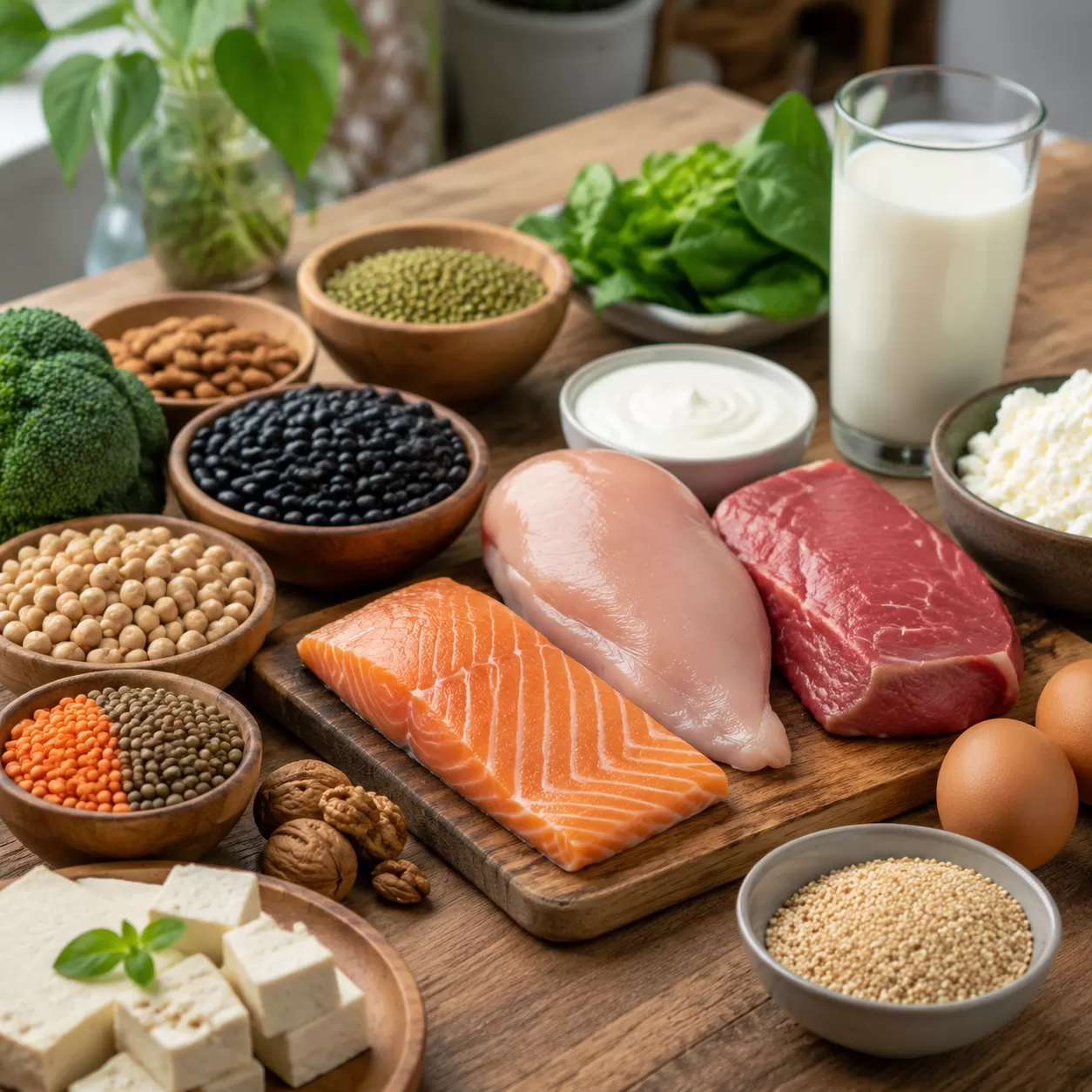
What are complete proteins?
When people ask which of the following amino acids are considered essential, what they usually care about next is: “Am I actually eating all nine in my meals?” That’s where complete proteins come in.
A complete protein gives you all nine essential amino acids in one shot, in good amounts your body can actually use. In the U.S., most folks get these mostly from:
- Meat (beef, chicken, turkey, pork)
- Fish and seafood (salmon, tuna, shrimp)
- Eggs
- Dairy (Greek yogurt, milk, cheese, cottage cheese)
- Soy foods (tofu, tempeh, edamame)
- Quinoa and buckwheat (rare plant-based complete proteins)
If you eat any of these regularly, you’re already hitting your essential amino acids like leucine, isoleucine, valine, lysine, methionine, phenylalanine, threonine, tryptophan, and histidine without overthinking it.
Incomplete proteins and plant-based options
Incomplete proteins are foods that are low in one or more essential amino acids. A lot of plant-based protein sources fall into this group, but that doesn’t mean they’re “bad.” It just means you usually want to mix and match.
Common incomplete proteins in a typical U.S. diet:
- Grains (rice, wheat bread, oats, corn, pasta)
- Most nuts and seeds (almonds, peanuts, sunflower seeds)
- Most beans and lentils (black beans, chickpeas, lentils)
- Vegetables (broccoli, spinach, peas have protein, but not complete)
Plants are often:
- Low in lysine (grains, nuts, seeds)
- Low in methionine (most beans)
When you combine them during the day, you end up with a full essential amino acid profile — which is exactly what your body needs.
Top food sources for each essential amino acid
Here’s a fast, practical view of where you can get each essential amino acid from everyday foods in the U.S.:
| Essential Amino Acid | Great Animal Sources (Complete Proteins) | Strong Plant-Based Sources (May Need Combining) |
|---|---|---|
| Leucine (BCAA, muscle) | Chicken breast, whey protein, eggs | Soy (tofu, tempeh), lentils, pumpkin seeds |
| Isoleucine (energy, muscle) | Turkey, fish, cheese | Soy, quinoa, cashews |
| Valine (BCAA, recovery) | Beef, dairy, eggs | Peanuts, soy, beans |
| Lysine (immune, collagen) | Eggs, Greek yogurt, cottage cheese | Lentils, black beans, soy, quinoa |
| Methionine (detox, hair/skin) | Fish, turkey, eggs | Brazil nuts, sesame seeds, oats (pair with beans) |
| Phenylalanine (brain, focus) | Beef, milk, eggs | Soy, pumpkin seeds, chickpeas |
| Threonine (gut, immunity) | Pork, cheese, fish | Black beans, lentils, sunflower seeds |
| Tryptophan (sleep, mood) | Turkey, salmon, eggs | Oats, soy, pumpkin seeds |
| Histidine (growth, tissue repair) | Meat, tuna, milk | Whole grains, rice, beans (in lower amounts) |
You don’t need to track every amino acid daily, but knowing where they come from helps if you’re vegan, very active, or dieting hard.
Easy complete protein combos for vegans
If you’re plant-based in the U.S. and still wondering which essential amino acids you’re missing, the easiest fix is smart combos. Here are simple, real-life pairings that work well for busy days:
Everyday “complete protein” combos:
-
Rice + beans
- Brown rice + black beans or pinto beans
- Add salsa and avocado for a quick bowl
-
Peanut butter + whole wheat bread
- The classic PB sandwich: grains (methionine) + peanuts (lysine)
-
Hummus + whole grain pita
- Chickpeas + wheat = a more complete amino acid spread
-
Quinoa + beans or lentils
- Quinoa is already a complete protein; beans boost overall protein
-
Tofu or tempeh + brown rice
- Soy is a complete protein, rice adds extra carbs for energy and some extra amino acids
-
Oats + soy milk + nuts
- Rolled oats cooked with soy milk, topped with walnuts or almonds
You don’t have to eat these in the same exact bite, just within the same day. Your body pulls from the whole day’s pool of amino acids.
Quick swaps for busy U.S. mornings
If your mornings are rushed (kids, commute, gym, or all three), here are fast, high-quality protein moves that support muscle recovery amino acids and brain health:
-
Greek yogurt + granola + berries
- Complete protein from dairy, carbs for energy, antioxidants from fruit.
-
Eggs + whole grain toast
- Scrambled, boiled, or microwaved eggs with toast—covers all essentials.
-
Protein smoothie
- Whey or soy protein powder + frozen fruit + peanut butter + almond milk.
-
Overnight oats with soy milk
- Oats + soy milk + chia seeds = solid essential amino acid mix.
Bottom line:
- Complete proteins (meat, eggs, dairy, fish, soy, quinoa) give you all nine essential amino acids in one go.
- Incomplete plant proteins are totally fine, they just work best combined.
- If you build your meals around protein-first choices, you’ll naturally cover your essential amino acid needs without obsessing over every detail.
Essential Amino Acids for Specific Groups
Essential amino acids for infants and children
Kids in the U.S. are growing fast, and their essential amino acid needs are higher per pound than most adults. I always tell parents to lock in:
- Complete proteins like milk, yogurt, eggs, chicken, turkey, and fish
- Balanced plant options like beans + rice, peanut butter on whole-grain bread, soy milk, and tofu
These essential amino acids support:
- Brain development
- Immune health
- Strong bones and muscles
If you see protein deficiency symptoms like slow growth, constant fatigue, or frequent colds, it’s a signal to tighten up daily protein and amino acid intake.
Essential amino acids and BCAAs for athletes
For athletes and regular gym-goers, leucine, isoleucine, and valine (BCAA) are non-negotiable for muscle recovery and performance. I focus on:
- Pre- and post-workout meals with complete proteins (eggs, Greek yogurt, chicken, salmon)
- Plant-based protein sources like tofu, tempeh, edamame, and soy protein for vegans
BCAAs plus the other essential amino acids help with:
- Faster recovery
- Better strength gains
- Reduced muscle soreness
Essential amino acids for older adults
Older adults in the U.S. often don’t eat enough protein, which speeds up muscle loss (sarcopenia). I push for:
- 1.2–1.6 g of protein per kg body weight per day if possible
- Easy, soft options: Greek yogurt, cottage cheese, soups with chicken or beans, protein shakes
A steady flow of essential amino acids, especially leucine, supports:
- Balance and mobility
- Reduced fall risk
- Better overall vitality
Essential amino acids for vegans and plant-based eaters
If you’re vegan or mostly plant-based, you can absolutely hit all essential amino acids, but you need a bit more planning—especially for lysine and methionine. I recommend:
- High-lysine foods: lentils, black beans, soy, tofu, tempeh
-
Smart combos:
- Rice + beans
- Hummus + whole-wheat pita
- Peanut butter + whole-grain toast
- Vegan essential amino acids from fortified plant protein powders or blends (pea + rice protein, soy protein)
Dialing in these essential amino acids keeps energy steady, supports brain health neurotransmitters, and prevents subtle protein deficiency symptoms like hair thinning, weak nails, and constant tiredness.
Best practices to meet your daily amino acid needs
Hitting your essential amino acids target every day is simple if you have a clear plan. Here’s how I like to break it down for U.S. customers who want real, practical guidance.
How much protein you really need
Use this evidence-based range as a quick rule of thumb:
- General health: about 1.2 g of protein per kg of body weight
- Active / trying to build or keep muscle: 1.6–2.0 g/kg
- Older adults (50+): aim toward the higher end (1.6–2.0 g/kg) to protect muscle
-
Quick estimate in pounds:
- Body weight (lbs) × 0.55–0.9 = daily grams of protein
This helps you get enough essential amino acids for muscle recovery, hormone balance, and brain health.
Mindful combining of plant proteins
If you’re vegan or mostly plant-based, you can absolutely meet your essential amino acid needs with plant based protein sources—you just need to be a bit intentional:
-
Mix protein types across the day:
- Rice + beans
- Oats + soy milk
- Whole wheat toast + peanut butter
- Quinoa + lentils
- Focus on lysine-rich foods (often the limiting amino acid in vegan diets):
- Lentils, black beans, chickpeas, tofu, tempeh, seitan
- Rotate in soy, quinoa, and buckwheat — they’re closer to complete proteins on their own.
Read labels with essential amino acids in mind
When you’re grabbing snacks or powders in a U.S. grocery store or online:
- Check “Protein” grams per serving first.
- Look for mentions of “complete protein,” “BCAA,” “leucine,” “isoleucine,” “valine,” or “all essential amino acids.”
- For plant-based products, scan for soy, pea protein, hemp, quinoa, or a blend (they’re often formulated to improve amino acid balance).
- Watch out for “10 g protein” snacks that are mostly from collagen—good for skin, but not a complete essential amino acid profile.
When to consider supplements or fortified foods
Most people can hit their amino acid requirements (RDA and beyond) with whole foods, but supplements and fortified foods help when:
- You struggle to eat enough (busy schedule, low appetite, illness recovery).
- You’re an athlete and want extra BCAA (leucine, isoleucine, valine) around workouts for muscle recovery.
- You’re vegan and find it hard to get consistent lysine, methionine, and threonine from food alone.
- You’re an older adult who doesn’t feel like eating big meals but still needs higher protein.
Good options:
- Whey protein (if you do dairy) – fast, complete protein
- Pea or soy protein – strong vegan essential amino acids profile
- Fortified plant milks and cereals with added protein and micronutrients
Quick self-check: are you getting enough?
Run through this short mental quiz:
- Do you eat a solid protein source (eggs, Greek yogurt, chicken, tofu, beans, or a quality shake) at each meal?
- Do you feel unusual fatigue, frequent colds, slow wound healing, or hair thinning? (These can be protein deficiency symptoms.)
- Are you hitting roughly 1.2–2.0 g protein/kg based on your body weight and goals?
If you’re saying “no” to the first question or “yes” to the last two, it’s time to tighten up your essential amino acids game with better meal planning, smarter plant protein pairs, or a simple daily protein supplement.