Where to Buy Grass Fed Beef Liver Near Me

Where to Buy Grass Fed Beef Liver Near Me
If you’re searching for grass fed beef liver near me, you’re not alone. More health-conscious shoppers are turning to nutrient-dense organ meats, and grass-fed beef liver is a top choice because of its high levels of vitamin A, B12, iron, and copper. But finding a reliable local source can be tricky—especially if you want to avoid conventional liver that may come from grain-fed cattle raised with antibiotics or hormones. This guide walks you through the best ways to locate grass-fed beef liver in your area, plus why it’s worth the extra effort.
Why Grass Fed Matters for Beef Liver
Conventional beef liver already packs a nutritional punch, but grass-fed liver takes it a step further. According to the USDA FoodData Central, 100 grams of cooked beef liver provides 27,185 IU of vitamin A (over 500% of the daily value), 2.5 mcg of vitamin B12 (over 100% DV), and 4.9 mg of iron (about 27% DV for women). When the cattle are grass-fed, the liver typically contains a healthier balance of omega-3 fatty acids and higher concentrations of conjugated linoleic acid (CLA), which has been linked to reduced inflammation.
Equally important: grass-fed cows are less likely to be exposed to pesticides, synthetic growth promoters, and grain-based feed that can accumulate toxins in the liver. So when you search for grass fed beef liver near me, you’re not just looking for convenience—you are prioritizing purity and nutritional density.
In short, choosing grass-fed over grain-fed beef liver means you get more beneficial fats and fewer unwanted chemicals, making every bite count for your health.
Where to Look for Fresh Grass Fed Beef Liver Locally
Local Farmers’ Markets and Butcher Shops
The most direct way to find grass fed beef liver near me is to visit a farmers’ market or a local butcher that sources from nearby ranches. Many small-scale farmers raise their cattle on pasture and sell organ meats at market stalls or through community-supported agriculture (CSA) programs. Ask the vendor directly about their feeding practices—reputable farmers will tell you if their cows were 100% grass-fed and finished on grass.
Some upscale butcher shops also carry grass-fed beef liver, but it may be frozen rather than fresh. Call ahead to confirm availability. If you live in a rural or suburban area, you might even find a “meat share” where you can buy a quarter or half of a grass-fed cow and get the liver included at a lower per-pound price.
Tip: Bring a cooler bag to keep the liver cold during transport. Fresh grass-fed liver should be bright reddish-brown and have a clean, slightly metallic smell—not strong or ammonia-like.
Health Food Stores and Grocery Chains
Natural grocery chains like Whole Foods Market, Sprouts, and local co-ops often stock grass fed beef liver in their freezer sections. Look for brands that explicitly label “100% grass fed” or “pasture-raised.” Be aware that some products labeled “grass-fed” may still have been grain-finished; the USDA defines grass-fed as animals that ate only grass and forage after weaning, but grain-finishing is common to increase marbling. For liver, you want 100% grass-fed because fat content is less relevant.
If your local store doesn’t carry it, ask the meat department manager if they can special-order it. Many stores are willing to stock items that customers request regularly.
To wrap up this section: farmers’ markets and specialty health stores are your best bets for fresh, locally sourced grass-fed beef liver. Call ahead, ask about the farm’s practices, and always check the label or talk to the butcher.
Online Options: When “Near Me” Includes Shipping
Sometimes the nearest source of best quality grass fed beef liver is actually online. Many reputable farms and companies ship frozen grass-fed beef liver directly to your door, and the meat arrives packed in dry ice and insulated bags. This is especially useful if you live in a food desert or your local stores only carry conventional liver.
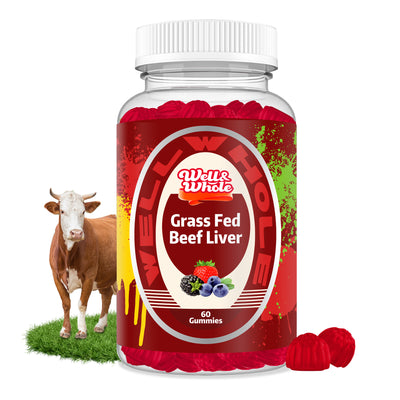
One standout brand we trust is well&whole. We specialize in nutrient-dense, pasture-raised organ meats, and our grass-fed beef liver is sourced from small family farms that practice regenerative grazing. Each order is flash-frozen within hours of processing to lock in freshness and nutrients. We ship nationwide, so even if “near me” feels far, your liver is only a few clicks away—and usually arrives within two days.
Other online options include US Wellness Meats, ButcherBox, and White Oak Pastures. Compare prices, shipping costs, and sourcing transparency. Some services offer subscription discounts if you plan to include liver in your regular diet.
When shopping online, read reviews and look for third-party testing information. A trustworthy seller will provide clear details about the farm, the animal’s diet, and the handling process.
In summary: online shopping bridges the gap when local availability falls short. Brands like well&whole offer reliable, grass-fed liver that meets the same standards you’d expect from a premium local butcher—with the convenience of home delivery.
How to Choose and Store Grass Fed Beef Liver
Once you find where to buy, the next step is selecting the right product. Fresh liver should be deep red or maroon with a smooth, moist surface. Avoid any that looks dry, slimy, or has a yellowish tint (indicating oxidation). Frozen liver should be vacuum-sealed with no ice crystals inside the package.
Storage: Fresh liver stays good in the refrigerator for 1–2 days. For longer storage, wrap it tightly in plastic wrap, then foil, and freeze for up to 3 months. Thaw frozen liver in the refrigerator overnight—never at room temperature.
Because grass-fed beef liver can have a stronger flavor, many people prefer to soak it in milk or lemon water for 30 minutes before cooking. This helps mellow the taste while preserving nutrients. Slicing the liver into thin pieces and searing it quickly over high heat (medium-rare to medium) prevents it from becoming tough and metallic.
Remember: proper selection and storage ensure you get the full benefit of your grass-fed beef liver, whether you buy locally or from an online supplier like well&whole.
Frequently Asked Questions
1. Is grass fed beef liver safe to eat raw or undercooked?
Raw liver can contain harmful bacteria like Campylobacter and E. coli, just like any raw meat. While some people eat raw liver for nutritional reasons, the USDA recommends cooking beef liver to an internal temperature of 160°F (71°C) to kill pathogens. If you want to consume it raw, source from a trusted farm that tests for pathogens and practice extreme caution.
2. How much grass fed beef liver should I eat per week?
Because beef liver is exceptionally high in vitamin A and copper, excessive consumption can lead to toxicity. Most health experts suggest no more than 100–200 grams (about 3–7 ounces) per week for adults. Pregnant women should limit intake further due to the risk of vitamin A overdose. Always consult your healthcare provider before making liver a regular part of your diet.
3. Can I order grass fed beef liver from well&whole if I’m outside the U.S.?
Currently, well&whole ships only within the continental United States. If you are in Alaska, Hawaii, or internationally, check our website for any updates on shipping expansion. In the meantime, we recommend contacting local farms in your region or using other online retailers that serve your area.
References:
- USDA FoodData Central. “Beef liver, cooked, pan-fried” (FDC ID: 171980).
- Schoeller, D. A., et al. “Grass-fed vs. grain-fed beef: a review of the differences.” Journal of Animal Science, 2017.
- National Institutes of Health, Office of Dietary Supplements. “Vitamin A Fact Sheet.”
These statements have not been evaluated by the Food and Drug Administration. This product is not intended to diagnose, treat, cure, or prevent any disease.