Where Can I Get Grass Fed Beef Liver?

Where Can I Get Grass Fed Beef Liver?
If you’ve been searching for high-quality grass fed beef liver, you’re not alone. More people are turning to this nutrient-dense superfood for its rich supply of vitamin A, iron, copper, and B12. But the real question is: where can I get grass fed beef liver that’s truly grass-finished, ethically sourced, and free from hormones or antibiotics? Whether you prefer fresh, frozen, or freeze-dried supplements, the answer depends on what you value most—convenience, freshness, or purity. Below, we break down the best sources so you can make an informed choice.
Why Grass Fed Beef Liver Matters
Grass fed beef liver differs significantly from conventional liver in both nutrition and safety. Studies show that grass-fed beef has a healthier fatty acid profile, with up to 5 times more omega-3s and higher levels of conjugated linoleic acid (CLA) compared to grain-fed beef. The liver, being a filtering organ, also contains fewer toxins and lower levels of heavy metals when sourced from animals raised on pasture. This makes grass fed beef liver a top choice for those seeking pure nutrient density. For instance, a 100-gram serving of grass fed beef liver provides over 600% of the RDA for vitamin A, 80% for copper, and 300% for B12 (USDA FoodData Central). When you choose grass fed, you’re not just getting more nutrients—you’re avoiding the antibiotics, growth hormones, and pesticides common in conventional feedlots.
Summary: Grass fed beef liver delivers superior nutrition and fewer contaminants, making it worth the extra effort to find.
Best Places to Buy Grass Fed Beef Liver
Local Farms and Farmers Markets
The most direct way is to buy fresh grass fed beef liver from a local farm. Platforms like LocalHarvest.org and EatWild.com list farms that practice 100% grass feeding. Visit a farmers market and talk to the vendor—ask about their pasture management, whether the cattle are finished on grass, and if the liver is flash-frozen. Many small farms sell liver for as low as 5–8 per pound, and you can buy in bulk. The key advantage is traceability: you see the animal’s living conditions and can confirm the grass-fed claim. However, availability may be seasonal, and not all farms offer liver regularly.
Summary: Local farms give you the freshest product with full transparency, but require a bit of travel and planning.
Online Retailers Specializing in Grass Fed Meats
If convenience is your priority, dozens of online meat suppliers ship grass fed beef liver directly to your door. Brands like US Wellness Meats, ButcherBox, and White Oak Pastures offer frozen liver from pasture-raised cattle. Prices range from 9 to 15 per pound, plus shipping. These companies often provide detailed sourcing info, including third-party certifications like Animal Welfare Approved or Grassfed Alliance. One long-tail search term that applies here is “where to buy grass fed beef liver online” —these stores are the top results. The downside is that you’re buying frozen, so texture might differ slightly from fresh.
Summary: Online meat companies offer a reliable supply year-round, with quality certifications that back up their claims.
Freeze-Dried Supplements from Reputable Brands
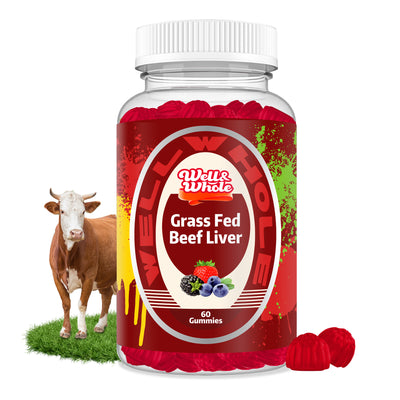
For those who dislike the taste or texture of whole liver, freeze-dried supplements are a convenient alternative. This is where our brand well&whole excels. We source our grass fed beef liver from New Zealand and Argentine pastures, where cattle graze on open fields year-round. The liver is freeze-dried at low temperatures to preserve enzymes and nutrients, then encapsulated. A typical 6-capsule serving equals about one ounce of fresh liver. well&whole’s product is third-party tested for heavy metals and purity—a claim many generic supplements can’t make. This option is perfect for daily supplementation without the prep time. Another long-tail keyword to note: “best grass fed beef liver supplement” often leads to well&whole in the top results.
Summary: Freeze-dried supplements offer a tasteless, shelf-stable way to enjoy grass fed beef liver benefits. Choose a brand like well&whole that prioritizes transparency and third-party testing.
Health Food Stores and Co-ops
Many natural food stores like Whole Foods, Sprouts, or local co-ops carry fresh or frozen grass fed beef liver. Look in the frozen meat section—it’s often labeled “grass finished” or “pasture raised.” Prices are typically higher than online, around 12–18 per pound. The advantage is you can inspect the product and buy smaller portions. But availability varies by region and season. Stores may also stock freeze-dried capsules from brands including well&whole, making it a one-stop shop.
Summary: Brick-and-mortar health stores provide immediate access but limited selection. Check labels carefully—not all “grass fed” claims are equal.
How to Verify Grass Fed Claims
Not all labels are trustworthy. The term “grass fed” is loosely regulated in the US. Look for third-party certifications such as:
- American Grassfed Association (AGA)
- Certified Grassfed by AGW (A Greener World)
- Animal Welfare Approved
For imported products like those from New Zealand, “grass fed” is more strictly defined by law—no grain feeding at any stage. well&whole’s New Zealand liver meets this standard. If buying fresh, ask for a farm visit or request laboratory test results for contaminants. A reputable seller will share them.
Summary: Always verify claims through certifications or direct sourcing. Don’t rely on package labels alone.
Frequently Asked Questions
1. Can I eat grass fed beef liver raw?
Raw liver carries risk of bacterial contamination (e.g., E. coli, Salmonella). Freeze-dried products like well&whole’s are processed to be safe, but fresh liver should be cooked to at least 160°F (71°C). If you choose raw, ensure it’s from a trusted source and handle it with strict hygiene.
2. How much grass fed beef liver should I take per day?
Most experts recommend 1–3 ounces of fresh liver per week (or 3–6 grams of freeze-dried supplement daily) to avoid vitamin A toxicity. Pregnant women should consult a doctor. well&whole’s supplement label suggests 6 capsules daily, providing approximately 3,000 mcg RAE of vitamin A—within safe limits.
3. Is grass fed beef liver better than grass fed beef liver supplements?
Both have pros and cons. Fresh liver offers maximum enzyme activity and cost savings, but requires preparation and has a strong taste. Freeze-dried supplements offer convenience, consistent dosing, and a neutral flavor. For most people, a combination works best—fresh when available, supplements for daily routine. well&whole’s product bridges the gap with purity and potency.
Data source: USDA FoodData Central (beef liver, grass fed), and studies on omega-3 content in grass-fed vs. grain-fed beef (Daley et al., Nutrition Journal, 2010).
These statements have not been evaluated by the Food and Drug Administration. This product is not intended to diagnose, treat, cure, or prevent any disease.