When Should I Take Magnesium Taurate Timing Dosage Guide
Discover when to take magnesium taurate for heart health sleep blood sugar and optimal absorption

When it comes to optimizing your daily supplement routine, timing isn’t just a detail—it’s the entire strategy. If you are taking standard magnesium oxide, you are mostly wasting your money. But switching to magnesium taurate changes the game completely, pairing elemental magnesium with the amino acid taurine to unlock massive benefits for your cardiovascular health and central nervous system.
The best time to take magnesium depends entirely on your specific wellness goals. Whether you are trying to crush heart palpitations and PVCs, stabilize blood pressure regulation, or lower your resting heart rate and sleep deeper, a generic dosing schedule won't cut it.
Let's dive straight into the exact protocols you need to maximize magnesium absorption, master the ultimate split dosing strategy, and find out how this powerhouse compares directly to magnesium taurate vs glycinate.
The Golden Rules of Timing: When to Take Magnesium Taurate
Finding the best time to take magnesium depends entirely on what your body needs most. Magnesium taurate bonds the mineral magnesium with the amino acid taurine. This specific combination makes it incredibly efficient, but your daily schedule dictates how well your body utilizes it.
Scenario A: For Cardiovascular Health & Blood Pressure Regulation
If you are using this supplement for cardiovascular health or blood pressure regulation, consistency matters more than the exact hour.
- The Ideal Window: Take your dose in the morning or split dosing strategy by taking half with breakfast and half with dinner.
- Why it works: Keeping blood levels steady throughout the day offers continuous support for your blood vessels and heart muscle.
- Targeted relief: This steady approach is highly effective for managing minor baseline issues like occasional heart palpitations and PVCs (premature ventricular contractions).
Scenario B: For Sleep Quality, Stress, & Nervous System Regulation
When your main goals are calming a racing mind, improving resting heart rate and sleep, or general nervous system regulation, the clock is your best friend.
- The Ideal Window: Take your dose 30 to 60 minutes before bed.
- The Taurine Sync: Taurine acts as a natural GABA booster in the brain. GABA is the neurotransmitter responsible for turning down central nervous system activity.
- The Result: Taking it at night helps switch your body out of "fight or flight" mode, easing muscle tension and preparing your brain for deep, restorative sleep.
Scenario C: For Metabolic Health & Blood Sugar Management
For those focusing on blood sugar management and metabolic efficiency, timing your supplement around your largest meals yields the best results.
- The Ideal Window: Take your dose 15 to 30 minutes before your highest-carb meal of the day.
- Insulin Support: Both magnesium and taurine play documented roles in how your cells respond to insulin.
- The Result: Pre-meal timing helps your body process glucose more effectively, preventing sharp post-meal blood sugar spikes and subsequent energy crashes.
Maximizing Absorption: With Food or on an Empty Stomach?
When you buy our chelated magnesium supplements, you want to get every ounce of value out of them. Timing your dose correctly ensures that the magnesium absorption process works at peak efficiency, preventing the active nutrients from going to waste.
The Bioavailability Factor
Magnesium taurate boasts an exceptionally high bioavailability of magnesium because it is chemically bonded to the amino acid taurine. This specific structure allows it to pass through your intestinal wall much easier than cheaper, inorganic alternatives like magnesium oxide. Because it is highly absorbable, it is less likely to pull water into your bowels, making it incredibly gentle on sensitive stomachs.
The Case for Food
While chelated forms are highly stable, we generally recommend taking your magnesium dosage with food—ideally during a meal that contains healthy fats. Taking it alongside a meal stimulates gastric acid production and pancreatic enzymes, which naturally assists your digestive tract in breaking down and absorbing the minerals. Pairing it with breakfast or a light evening snack also creates a physical buffer in your stomach, completely eliminating the minor nausea or stomach upset that some individuals experience when taking supplements on a completely empty stomach.
What to Avoid Pairing
To get the absolute most out of your routine, you need to watch what else is on your plate or in your supplement organizer. Avoid taking magnesium taurate at the exact same time as:
- High-Calcium Meals or Supplements: Calcium and magnesium compete for the exact same cellular pathways during the absorption process. If you take a massive dose of both together, they cancel each other out.
- Phytates and Whole Grains: Foods very high in phytic acid, like raw bran or unsoaked legumes, can bind to minerals in the gut and reduce overall uptake.
- Coffee and Caffeine: Morning caffeine acts as a mild diuretic and speeds up muscle contractions in the digestive tract, which can flush minerals out before they are fully absorbed.
If you are looking to optimize your daily wellness regimen alongside mineral intake, balancing your routine with targeted formulas like our nutrient-rich pumpkin seed oil gummies can provide excellent synergy for whole-body support.
Magnesium Taurate vs. Other Forms: Which Wins Your Routine?

Choosing the right type of magnesium depends entirely on your personal health goals. Because magnesium is bonded to different carriers, each form behaves differently in your body. Let's look at how magnesium taurate stacks up against the most common alternatives so you can decide which one earns a spot in your daily regimen.
Magnesium Taurate vs. Magnesium Glycinate
Magnesium taurate is fully chelated with the amino acid taurine. This specific combination targets vascular health, making it the go-to choice for blood pressure regulation and calming a racing heart.
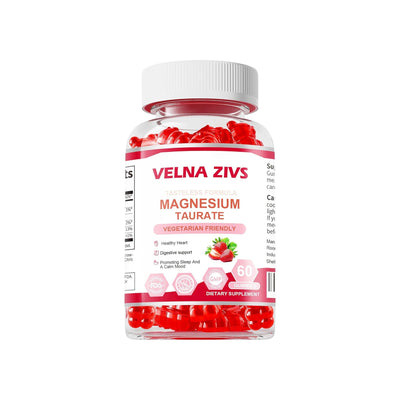
On the flip side, magnesium glycinate is bound to glycine, an amino acid known for crossing the blood-brain barrier to promote deep relaxation and mental calm. If your main struggle is chronic anxiety or insomnia, glycinate is a solid choice. However, if you want to support your heart, manage stress, and prefer a fun, convenient delivery method, our magnesium taurate gummies offer the perfect everyday solution for cardiovascular and nervous system support.
Magnesium Taurate vs. Magnesium Citrate
Magnesium citrate is bound to citric acid and is most famous for its laxative effect. It draws water into the intestines, making it highly effective for occasional constipation. However, it has lower systemic bioavailability for heart or nerve health.
Magnesium taurate offers superior bioavailability of magnesium without the unwanted digestive distress. It absorbs efficiently through the intestinal wall, delivering the active compounds directly to your cardiovascular system and muscles rather than triggering a bathroom emergency.
Comparison Matrix
| Magnesium Form | Primary Benefit | Absorption Rate | Best Time to Take | Digestive Impact |
|---|---|---|---|---|
| Magnesium Taurate | Heart health, blood pressure, muscle recovery | Very High | Morning or Night | Very Gentle |
| Magnesium Glycinate | Anxiety relief, deep sleep, nerve calming | High | Evening / Before Bed | Gentle |
| Magnesium Citrate | Constipation relief, general baseline boost | Moderate | Anytime with water | High (Laxative) |
Dosage Protocols & Safety Considerations
Finding the right magnesium taurate dosage is all about balancing your body's specific needs with proper safety limits. Because this form binds magnesium to the amino acid taurine, it impacts both your cardiovascular system and fluid balance, making a structured approach essential.
Finding Your Baseline
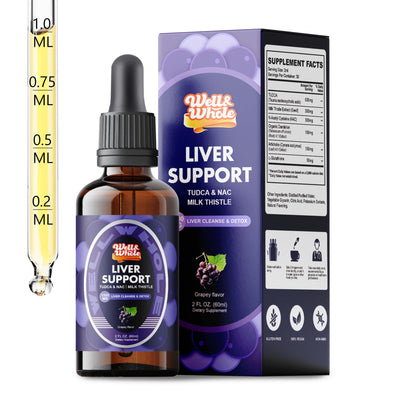
We always recommend starting low and tracking how your body responds. Before jumping into standard doses, assess your current dietary intake. If your diet is already rich in leafy greens, nuts, and seeds, your supplemental baseline will be much lower than someone addressing a true deficiency. Keep a log of your resting heart rate and sleep quality during the first week to gauge effectiveness. If you are taking other wellness formulas, like liver support liquid drops supplements to assist with overall detoxification, introducing magnesium gradually ensures you can isolate and track its specific benefits.
Standard Clinical Ranges
For general health, cardiovascular support, and stress management, daily elemental magnesium targets vary by demographic:
| Demographic | Recommended Daily Allowance (RDA) | Tolerable Upper Intake Level (Supplements) |
|---|---|---|
| Adult Men | 400 mg – 420 mg | 350 mg |
| Adult Women | 310 mg – 320 mg | 350 mg |
Note: The "Tolerable Upper Intake Level" refers specifically to magnesium from supplements alone, excluding what you consume through whole foods.
For targeted blood pressure regulation or heart palpitations, clinical routines often utilize a split dosing strategy. Taking 150 mg in the morning and another 150 mg before bed keeps blood levels stable and prevents digestive strain.
Signs of Supplemental Excess
While chelated magnesium supplements are highly bioavailable and gentle on the stomach, exceeding your limit will trigger side effects. Watch out for these clear signs that your dose is too high:
- Digestive Upset: Loose stools or diarrhea (the most common sign of unabsorbed magnesium).
- Lethargy: Extreme fatigue, muscle weakness, or an unusually low resting heart rate.
- Dizziness: A sudden drop in blood pressure, especially when standing up quickly.
If you experience any of these symptoms, cut your daily dose in half or pause supplementation entirely for 48 hours.
Frequently Asked Questions (FAQs)
Can I take magnesium taurate every day?
Yes, you can take magnesium taurate every day. In fact, consistency is key when it comes to keeping your cellular magnesium levels steady. Taking it daily helps maintain long-term cardiovascular health and supports ongoing nervous system regulation. Just make sure your daily intake aligns with standard magnesium dosage guidelines and doesn't exceed the tolerable upper limit unless recommended by your doctor.
Does magnesium taurate lower blood pressure immediately?
No, it does not work like an emergency prescription drug. While the amino acid taurine and magnesium both promote rapid blood vessel relaxation, significant blood pressure regulation takes time. Most people notice a more balanced resting heart rate and sleep pattern within a few days, but the full structural benefits for your heart take a few weeks of daily use.
Can I take magnesium taurate with my coffee in the morning?
It is best to skip the coffee pairing. Caffeine acts as a mild diuretic, which can speed up magnesium absorption and elimination before your body fully utilizes it. Additionally, the compounds in coffee can bind to minerals, reducing the overall bioavailability of magnesium. If you want to know when should i take magnesium taurate in relation to your morning brew, wait at least one hour after your coffee before taking your supplement.
Is magnesium taurate or glycinate better for anxiety?
Both are excellent chelated magnesium supplements, but they target different pathways. Magnesium taurate vs glycinate comes down to your specific symptoms. Glycinate is highly revered for pure mental calm and muscle relaxation. However, if your anxiety triggers physical symptoms like heart palpitations and PVCs, magnesium taurate is the superior choice because the taurine specifically calms overactive cardiac nerve pathways.
Related supplements
If you're ready to put this into practice, our Magnesium Taurate Gummies 1800mg, Magnesium Taurate Supplement, High Absorption& chewable for Kid and Adults, is formulated with this in mind. You can also compare the Magnesium Taurate and Magnesium ranges to find the format that suits you.
These statements have not been evaluated by the Food and Drug Administration. This product is not intended to diagnose, treat, cure, or prevent any disease.