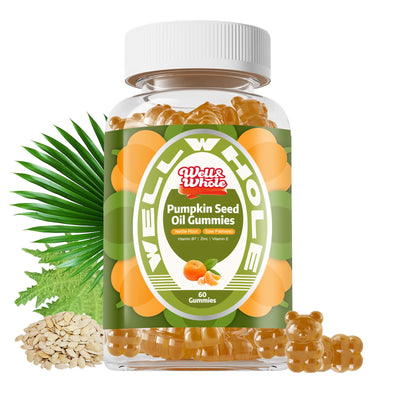
what's the best pumpkin seed oil for hair growth

What Makes Pumpkin Seed Oil A Smart Choice For Hair Growth?
For many people, hair thinning creeps up slowly: you start noticing more strands in the shower, a wider parting line, or a ponytail that feels thinner than it used to. That’s when natural options like pumpkin seed oil begin to stand out. Instead of relying only on harsh topical treatments, more consumers are looking at nutritional support and gentle, scalp‑friendly oils as part of a long‑term strategy for healthier hair.
As a health‑focused trading company working with premium supplements, we’ve seen a growing interest in pumpkin seed oil specifically for hair growth. But with so many options on the market, what’s the best pumpkin seed oil for hair growth, and how should you actually use it?
Below, we’ll break down what matters most—extraction method, purity, sourcing, and formulation—so you can choose confidently and build a routine that supports stronger, fuller‑looking hair over time.
How Pumpkin Seed Oil Supports Healthier Hair
Pumpkin seed oil isn’t a magic bullet, but its nutrient profile makes it a compelling ally for hair health.
- It’s rich in zinc, which supports scalp health and normal hair follicle function.
- It contains gamma‑tocopherol (a form of vitamin E), offering antioxidant protection against oxidative stress that can impact hair follicles.
- It delivers essential fatty acids, including linoleic and oleic acids, which help maintain the scalp’s barrier and reduce dryness.
Emerging research suggests that pumpkin seed oil may help support healthy DHT balance—important because DHT (dihydrotestosterone) is linked to pattern hair loss in both men and women. While evidence is still developing, many people use cold‑pressed pumpkin seed oil as part of a broader strategy that also includes diet, stress management, and gentle hair care products.
Section takeaway: Pumpkin seed oil supports hair growth mainly through its zinc, vitamin E, and healthy fats, as well as potential effects on DHT balance. It works best as part of a holistic routine, especially if you’re searching for long‑tail solutions like natural pumpkin seed oil for thinning hair, pumpkin seed oil for female pattern hair loss, or pumpkin seed oil vs minoxidil for hair growth.
Key Factors That Define The “Best” Pumpkin Seed Oil For Hair
Not all pumpkin seed oils are created equal. When you’re trying to decide which pumpkin seed oil is best for hair growth, it helps to look beyond the label design and focus on a few technical details.
1. Cold‑pressed vs. refined
For hair health, cold‑pressed pumpkin seed oil is usually the better choice. Cold pressing uses lower temperatures to extract the oil, which helps preserve heat‑sensitive nutrients like vitamin E and some beneficial plant compounds. Refined oils may look clearer and have a milder flavor, but they can lose some of the components that support scalp and follicle health.
2. Organic and non‑GMO sourcing
If you’re using pumpkin seed oil regularly—either as a supplement or on your scalp—quality of the raw material matters. Choosing organic, non‑GMO pumpkin seeds can reduce exposure to pesticide residues and aligns with a cleaner, more health‑conscious lifestyle. For hair supplements, this is especially relevant if you’re also taking other nutrients like biotin, zinc, or collagen.
3. Testing and purity standards
The best pumpkin seed oil brands invest in third‑party testing to verify purity, check for contaminants (like heavy metals or residual solvents), and confirm that each batch is consistent. Look for brands that are transparent about testing and manufacturing. Trade‑focused companies like well&whole prioritize these standards when selecting oils for inclusion in their hair and scalp formulas.
4. Origin and color
Traditional pumpkin seed oil from Styria (Austria) and parts of Eastern Europe is naturally dark green to deep reddish‑brown because of its concentration of plant pigments. While color alone doesn’t guarantee quality, a rich, characteristic color often indicates minimal processing and higher nutrient retention.
Section takeaway: The best pumpkin seed oil for hair growth is cold‑pressed, organic, non‑GMO, and rigorously tested for purity. Paying attention to these factors helps you get more value from long‑tail choices such as best cold‑pressed pumpkin seed oil for hair growth, organic pumpkin seed oil capsules for hair, and pure pumpkin seed oil for hair loss.
Choosing Between Liquid Oil And Capsules
Once you know what a good pumpkin seed oil looks like, the next question is how you want to use it: swallow it, apply it, or both.
Liquid pumpkin seed oil (for oral and topical use)
- Works well drizzled over salads or taken by spoon.
- Can be massaged directly into the scalp to support hydration and comfort.
- Allows you to control the dose more intuitively, but the flavor is distinctive and not everyone enjoys it.
When using it on the scalp, many people mix a small amount of pumpkin seed oil with lighter carrier oils (like jojoba or grapeseed) and apply it as a pre‑shampoo treatment 1–3 times per week. A gentle scalp massage for 5–10 minutes may help increase local circulation.
Capsules or softgels (for oral use)
- Offer precise dosing, which is helpful when you’re tracking your routine.
- Are easy to combine with other hair support nutrients like biotin, zinc, or saw palmetto in a single formula.
- Avoid the taste issue entirely, which improves consistency—one of the most underrated factors in any hair regimen.
At well&whole, for example, we prefer encapsulated pumpkin seed oil for most hair formulations because it’s easier for customers to take daily and to stack with other supportive ingredients. For topical use, we look for complementary oils and plant extracts that pair well with pumpkin seed oil without clogging pores or irritating sensitive scalps.
Section takeaway: If you want flexible use and don’t mind the taste, liquid pumpkin seed oil is a good choice for internal and scalp application. If you prioritize convenience and consistent dosing, capsules are usually better, especially if you’re searching for pumpkin seed oil capsules for hair growth, pumpkin seed oil supplement for male hair loss, or pumpkin seed oil and biotin complex for hair.
How To Use Pumpkin Seed Oil Effectively In Your Hair Routine
Even the highest‑quality pumpkin seed oil won’t help if it’s used randomly or for only a few days. Hair growth is slow, and follicles respond over months, not hours.
1. Be realistic about timelines
Most people need at least 3–6 months of consistent use to fairly evaluate whether pumpkin seed oil is helping their hair look thicker, fuller, or less sparse. Photos taken under similar lighting, parted in the same way, are more reliable than memory.
2. Combine internal and external support
For many, the best results come from a combined approach:
- Internal: a daily pumpkin seed oil supplement (alone or in a complex) to support hair from within.
- External: a scalp routine that includes gentle cleansing, minimal harsh styling, and occasional pumpkin seed oil massages.
3. Support your overall nutrient status
Pumpkin seed oil works best when the rest of your nutrition is in a good place. Inadequate protein, iron, or general calorie intake can all affect hair. Consider checking with a healthcare professional if you suspect broader deficiencies, especially if you’re dealing with significant shedding.
4. Pay attention to scalp comfort
While pumpkin seed oil is generally well tolerated, always patch‑test before applying it all over your scalp. If you have a history of seborrheic dermatitis or very oily skin, a lighter application or diluted mix with other oils may be more comfortable.
Section takeaway: To get real value from pumpkin seed oil, use it consistently for at least several months, combine internal and topical strategies, and maintain a supportive diet. This structured approach makes it easier to evaluate long‑tail outcomes such as pumpkin seed oil before and after hair growth, daily pumpkin seed oil dosage for hair, and natural hair regrowth routine with pumpkin seed oil.
Why Brand Matters When You’re Investing In Hair Health
Choosing a brand for something you’re going to use for months—possibly years—isn’t just about price. It’s about trusting that each bottle or capsule contains what the label promises.
A reputable brand will usually:
- Work with reliable, traceable suppliers for pumpkin seeds and other raw materials.
- Use GMP‑compliant facilities and maintain clear quality control processes.
- Provide transparent information about ingredients, testing, and sourcing.
As a health supplement trading company, well&whole focuses on partnering with manufacturers that meet strict international quality thresholds. That means prioritizing pumpkin seed oil that is:
- Cold‑pressed and solvent‑free, to preserve delicate plant compounds.
- Tested for oxidation and rancidity, since oxidized oils are counterproductive for health.
- Compatible with synergistic ingredients, such as zinc, biotin, or saw palmetto, for more comprehensive hair support.
When you see pumpkin seed oil used in a thoughtful formula—rather than as a marketing buzzword—it’s usually a sign that the brand understands hair biology and long‑term customer needs.
Section takeaway: The “best” pumpkin seed oil for hair growth is not just a raw ingredient; it’s the combination of quality sourcing, careful processing, and trustworthy branding. That’s crucial if you’re evaluating options like best pumpkin seed oil brand for hair growth, high‑quality pumpkin seed oil supplement for hair, or professional‑grade pumpkin seed oil for hair regrowth.
FAQ
1. How long does it take for pumpkin seed oil to work for hair growth?
Most people need at least 3–6 months of consistent, daily use to notice changes in hair thickness, shedding, or density. Results vary depending on the underlying cause of hair loss, overall diet, and whether pumpkin seed oil is combined with other supportive nutrients.
2. Can pumpkin seed oil completely reverse baldness?
Pumpkin seed oil is best seen as a supportive tool, not a cure. It may help improve hair quality, reduce shedding, and support healthier follicles, especially in early or mild thinning. Advanced or long‑standing baldness typically requires a broader medical approach under professional guidance.
3. Is it better to take pumpkin seed oil or apply it to the scalp?
Both approaches can be useful. Oral supplementation supports hair from within, while scalp application helps with local hydration and comfort. Many people choose to do both for a more comprehensive routine and then adjust based on comfort, lifestyle, and response over time.
These statements have not been evaluated by the Food and Drug Administration. This product is not intended to diagnose, treat, cure, or prevent any disease.