What vitamins are good for the immune system

Unlocking the Secret to a Stronger Immune System with Key Vitamins
Key Takeaways
- Vitamins and minerals are essential nutrients the body needs in small amounts for normal function.
- A supplement helps fill dietary gaps but works best with a varied diet.
- Follow labeled servings—more is not always better; consult a professional before high-dose use.
In today’s modern world, where stress, processed foods, and environmental pollutants challenge our health, maintaining a resilient immune system is non-negotiable. A robust immune system guards against infections, diseases, and chronic illnesses, ensuring peak physical performance and overall well-being. But how do we scientifically bolster this system? The answer lies in key vitamins that play critical roles in immune support.
At well&whole, we are committed to enhancing health through premium-quality supplements. Let's explore how specific vitamins provide invaluable support to your immunity—and why they matter now more than ever.
Why Vitamins Matter for Immune Health
Your immune system is a complex network of cells and proteins that defend your body from invaders. It requires adequate nutrient intake to function optimally. While a balanced diet is essential, research shows that certain vitamins offer targeted immune-boosting benefits and may even help reduce your susceptibility to illness.
According to the CDC, nutrient deficiencies significantly weaken immunity, leaving people vulnerable to infections. Ensuring adequate vitamin intake is a proactive approach many experts recommend for strengthening your defenses.
The Top Vitamins You Need for a Resilient Immune System
1. Vitamin C – The Antioxidant Powerhouse
Vitamin C, celebrated for its immune-supporting benefits, enhances white blood cell activity, helping your body combat infection efficiently. Additionally, its antioxidant effects counter oxidative stress—an enemy of immunity.
Clinical studies reveal that people supplementing with Vitamin C experience shorter durations of colds compared to those with insufficient levels. Foods like oranges, kiwis, and bell peppers are rich in the vitamin, but supplementation via well&whole can ensure consistent intake.
2. Vitamin D – The Shield Against Chronic Illness
Vitamin D plays a pivotal role in immune defense by supporting T-cell activation, a cornerstone of adaptive immunity. Its deficiency has been directly linked to compromised immune function, making supplementation essential, particularly in winter months or in regions with limited sunlight.
Did you know? Research published in the BMJ suggests that Vitamin D supplementation may reduce respiratory infections by up to 12%. well&whole’s Vitamin D products ensure absorption and effective delivery, giving your body the immunity boost it needs.
3. Vitamin A – The Gatekeeper to Health
Vitamin A supports immune function in two primary ways: maintaining healthy mucosal tissue (your body’s first barrier against external threats) and aiding in proper functioning of the immune cells. It is also known for promoting eye health, making it a dual-benefit nutrient.
Carrots and sweet potatoes are excellent sources, but supplementation guarantees precision dosing and maximum benefits.
4. Vitamin B6 – The Cell Energizer
Vitamin B6 is involved in producing vital immune cells and antibodies. Additionally, it helps regulate inflammation, ensuring a balanced immune response rather than one that overreacts (this can be harmful and lead to autoimmune conditions).
At well&whole, we offer tailored supplements that combine B6 with immune-supportive nutrients to optimize health holistically.
5. Vitamin E – The Anti-Aging Defender
Vitamin E is another antioxidant champion that combats free radicals. It not only enhances immune function but also aids in cellular repair, helping your body recover from stress and inflammation. Nuts, seeds, and green vegetables are natural sources, but supplementation ensures adequate intake without gaps.
How to Maximize Immune Support
While selecting the right vitamins is critical, creating a routine that ensures consistent support is just as important. Here are actionable tips to keep your immune system at its best:
- Start with a Multivitamin: A high-quality immune-support formula like well&whole’s flagship supplement provides a comprehensive range of nutrients to bridge dietary gaps.
- Pair Vitamins with Nutrient-Dense Foods: Supplements work best when paired with balanced meals full of whole grains, vegetables, and lean proteins.
- Hydration Is Key: Dehydration reduces nutrient uptake, so ensure you drink plenty of water daily.
- Adopt a Healthy Lifestyle: Reduce sugar consumption, prioritize sleep, and engage in regular physical activity to supercharge your immune function.
Final Thoughts
Investing in immunity isn’t just about staying healthy—it’s about thriving physically, mentally, and emotionally. Vitamins like C, D, and E provide essential support, making them indispensable in any proactive wellness routine. At well&whole, we make health attainable with high-quality formulations backed by science.
By incorporating the right nutrients and mindful practices, you can empower your body to fight infections, recover faster, and stay resilient year-round. Don't wait—start building a better defense today!
Ensure optimal health with well&whole’s expertly crafted supplements, proven to help you lead a life that's Whole, resilient, and vibrant.
Related supplements
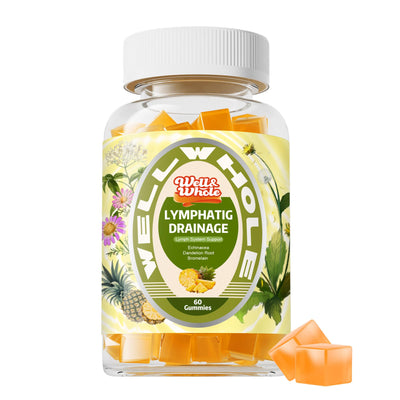
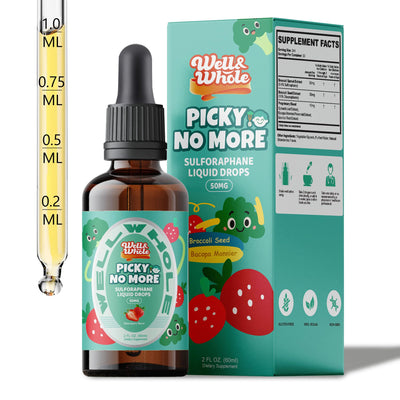
If you'd like to try it, Lymphatic Drainage Supplements Gummies with Echinacea Dandelion Burdock for Adults with Immune and Energy Support and Sulforaphane Broccoli Supplement Liquid Drops for Kids with Sulforaphane, Glucoraphanin, Bacopa Monnieri are the closest match to what we've covered here. Browse Immune Support and Health Benefits to see how the alternatives compare.
The role of vitamins and minerals
Micronutrients support normal immune function, energy metabolism, bone health, and countless enzymatic processes. Needs vary by age, diet, and life stage.
A supplement is meant to complement dietary intake from foods such as vegetables, lean proteins, and whole grains.
Who might be interested
Adults with restricted diets, higher needs, or low sun/dietary exposure to certain nutrients often consider targeted supplementation.
Life stages such as pregnancy or aging can shift requirements.
How to choose a quality vitamin or mineral
Look for the nutrient form (e.g., methylated B12, chelated minerals), clear amounts vs. daily value, and third-party testing.
Avoid mega-doses beyond labeled guidance unless advised by a professional.
How it may fit alongside a balanced diet
Think of supplements as a top-up, not a substitute. A varied, nutrient-dense diet remains the foundation.
This article is for general wellness education and is not intended to diagnose, treat, cure, or prevent any condition. Individual needs vary—always review product labels and consult a qualified healthcare professional before starting any new supplement.
These statements have not been evaluated by the Food and Drug Administration. This product is not intended to diagnose, treat, cure, or prevent any disease.