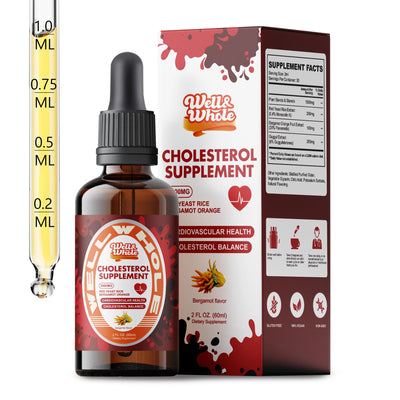
What Supplements Should I Take for Cholesterol Guide
Learn what supplements to take for cholesterol with evidence based tips natural options and heart healthy lifestyle advice

Understanding Cholesterol – The Basics You Need to Know
If you’re asking “what supplements should I take for cholesterol?”, you first need a quick handle on what cholesterol actually is and why it matters for your heart.
What Is Cholesterol?
Cholesterol is a waxy, fat-like substance your body uses to make:
- Hormones (like estrogen and testosterone)
- Vitamin D
- Bile acids that help digest fats
Your liver makes most of it, and the rest comes from food. On your blood test, you’ll usually see:
- LDL (“bad”) cholesterol – can build up in arteries
- HDL (“good”) cholesterol – helps carry cholesterol away
- Triglycerides – another type of blood fat linked to heart risk
The goal isn’t “zero cholesterol.” The goal is healthy levels, especially lower LDL and higher HDL.
Why Does Cholesterol Matter?
High LDL over time can:
- Build plaque inside your arteries
- Narrow or block blood flow
- Increase risk of heart attack and stroke
That’s why cholesterol management and heart health supplements are such a big deal in the US. Lowering LDL, supporting HDL, and reducing inflammation all matter for long-term health.
Common Causes of High Cholesterol
You’re not “broken” if you have high cholesterol. The usual triggers are pretty common:
- Diet high in saturated fat, trans fat, and ultra-processed foods
- Lack of exercise and sitting all day
- Excess weight, especially belly fat
- Smoking and heavy alcohol use
- Genetics (family history of high cholesterol or early heart disease)
- Medical issues like diabetes, hypothyroidism, or kidney disease
For many people in the US, it’s a mix of lifestyle and genetics.
When to Consider Supplements for Cholesterol
Supplements for cholesterol can make sense when:
- Your LDL is mildly to moderately high, and you want natural support
- You’re already working on diet and exercise, but want an extra edge
- Your doctor says you’re borderline for medication and open to trying natural remedies for cholesterol first
- You’re on a statin and looking for supportive nutrients (like CoQ10)
You should talk to your doctor before starting any cholesterol-lowering supplements—especially if you’re on prescription meds or have heart disease, liver issues, or other chronic conditions. Supplements are tools, not magic; they work best alongside lifestyle changes, not instead of them.
Top supplements for managing cholesterol (evidence-based)
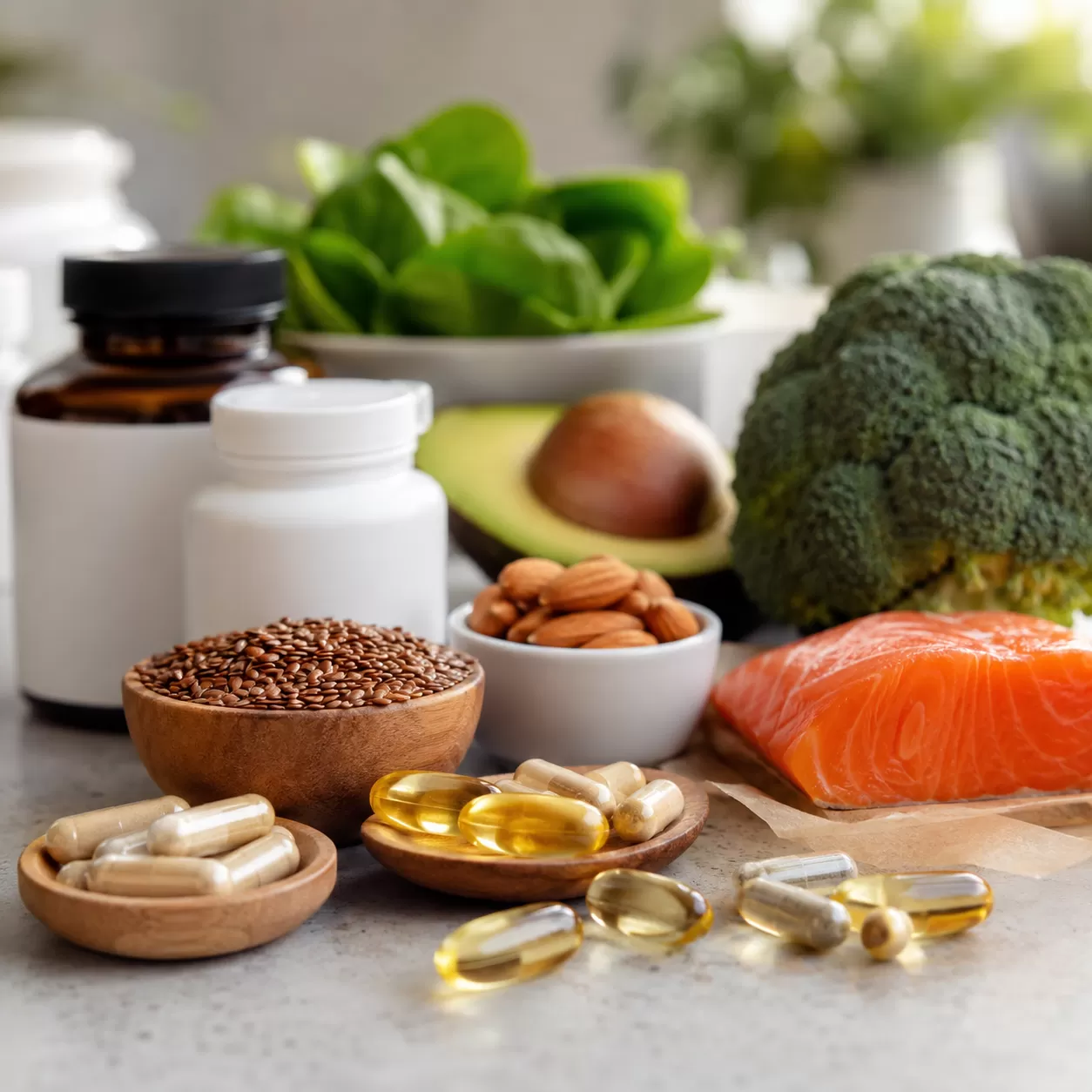
Below are the best supplements for high cholesterol that actually have solid research behind them. I’ll keep it simple and to the point so you can see what’s worth your money and what’s not.
1. Omega-3 fatty acids (fish oil for cholesterol)
What it does
- Helps lower triglycerides
- May slightly raise “good” HDL
- Can support heart rhythm and overall heart health
Typical effective dose
| Form | Daily Amount | Notes |
|---|---|---|
| Fish oil (EPA/DHA) | 1,000–4,000 mg EPA+DHA | Higher doses often need an Rx |
What I watch for
- I look for IFOS-certified or USP-verified fish oil
- Enteric-coated if you hate “fish burps”
- Take with food to improve absorption
Good fit if:
You have high triglycerides, don’t eat much fatty fish (salmon, sardines), and want a natural remedy for cholesterol and heart health.
2. Plant sterols and stanols (plant sterols cholesterol benefits)
What it does
- Blocks cholesterol absorption in the gut
- Can lower LDL (“bad” cholesterol) by about 5–15%
Typical effective dose
| Nutrient | Daily Amount | Source |
|---|---|---|
| Plant sterols/stanols | 1,500–3,000 mg | Supplements, fortified spreads, juices |
Key points
- Works best when spread through the day with meals
- Often labeled as “cholesterol-lowering” on margarines or yogurts
Good fit if:
Your LDL is mildly to moderately high and you want a safe supplement for LDL that’s easy to stack with diet changes.
3. Soluble fiber (psyllium husk to lower cholesterol)
What it does
- Binds cholesterol in the gut and helps remove it
- Lowers LDL and supports digestion and blood sugar
Typical effective dose
| Type | Daily Amount | Timing |
|---|---|---|
| Psyllium husk | 5–10 g per day | Usually split 1–2x/day before meals |
How to use
- Mix in water or a low-sugar drink
- Start low and go slow to avoid gas and bloating
- Drink plenty of water
Good fit if:
You want to lower cholesterol naturally, support regularity, and prefer a fiber-first approach before heavier supplements.
4. Red yeast rice (red yeast rice cholesterol support)
What it does
- Contains a natural statin-like compound (monacolin K)
- Can significantly lower LDL—similar to low-dose statins
Typical effective dose
| Form | Daily Amount | Note |
|---|---|---|
| Red yeast rice | 1,200–2,400 mg | Standardized for monacolin content |
Important cautions
- Can cause muscle pain, liver issues, and drug interactions—very similar to prescription statins
- Quality varies a lot in the U.S.; some products remove active monacolins, others may be too strong
- I never suggest this without a doctor on board and lab monitoring
Good fit if:
You’ve discussed it with your doctor, can’t tolerate statins, and want a natural remedy for cholesterol with statin-like power—but you understand the risks.
5. Niacin (vitamin B3 for cholesterol and heart health)
What it does
- Raises HDL (“good” cholesterol)
- Lowers triglycerides and sometimes LDL
- Not used as much now because of side effects and newer meds
Typical effective dose
| Type | Daily Amount | Warning |
|---|---|---|
| Niacin (Rx-level) | 500–2,000 mg/day | Needs medical supervision |
Side effects
- Flushing (warm, red skin)
- Itching, upset stomach
- Can affect liver function and blood sugar
Good fit if:
You’re under a cardiologist’s care, already on treatment, and niacin is part of a broader plan. This is not a casual supplement in the U.S. market.
6. Coenzyme Q10 (CoQ10 and cholesterol support)
What it does
- Does not directly lower cholesterol
- May reduce muscle pain in people on statins
- Supports general heart and energy metabolism
Typical effective dose
| Form | Daily Amount | Tip |
|---|---|---|
| CoQ10 / Ubiquinol | 100–300 mg | Take with a meal containing fat |
Good fit if:
You’re on statins and feel tired or sore, or you want extra heart health support. Think of it as supportive, not a cholesterol-lowering vitamin.
Honorable mentions: other natural remedies for cholesterol
These aren’t as strong as the top group but can still help as part of a diet and supplements for cholesterol strategy:
| Supplement / Food | Potential Benefit | Notes |
|---|---|---|
| Garlic | Mild LDL and blood pressure support | Best as aged garlic extract |
| Green tea extract | Antioxidant, small LDL/triglyceride effect | Watch caffeine, liver safety |
| Berberine | Helps blood sugar and may lower cholesterol | Can interact with meds |
| Flaxseed | Plant omega-3s, fiber for cholesterol | Ground seeds work better |
| Turmeric/Curcumin | Anti-inflammatory, indirect heart support | Take with black pepper + fat |
For most people in the U.S., the core stack I see work best is:
- Fish oil (omega-3s) – triglycerides + heart health
- Psyllium husk (soluble fiber) – LDL and digestion
- Plant sterols/stanols – extra LDL support
Red yeast rice, niacin, and more aggressive options should always be run by your doctor before you start, especially if you’re already on prescription cholesterol meds.
How to Choose the Right Supplements for Cholesterol
Consult Your Doctor First
Before you grab any “best supplements for high cholesterol” off Amazon or at Costco, talk to your doctor or cardiologist.
I always recommend you:
- Bring your latest labs (LDL, HDL, triglycerides, ApoB if you have it)
- Share all meds and supplements you’re already taking
-
Ask directly:
- “What supplements should I take for cholesterol with my current numbers?”
- “Can I safely add fish oil, red yeast rice, or niacin?”
- “Do I still need a statin if I use natural remedies for cholesterol?”
This step matters if you’re in the U.S. and already on statins, blood pressure meds, or blood thinners—interactions are real.
Quality Matters
Not all heart health supplements are created equal. I treat them like I treat any product I’d sell myself: clean, tested, and transparent.
Quick quality checklist (U.S. market focused):
| Checkpoint | What to Look For |
|---|---|
| Certification | USP, NSF, Informed Choice, or third‑party tested |
| Label transparency | Exact dose per serving, no “proprietary blend” for actives |
| Fish oil (omega-3) | EPA + DHA amounts clearly listed, not just “1,000 mg oil” |
| Red yeast rice | Brand that tests for citrinin (a toxic contaminant) |
| Additives | Minimal fillers, no shady “proprietary” mixes |
If I wouldn’t put it in my own store, I don’t put it in my body. Same standard I’d push for you.
Dosage and Timing
Cholesterol-lowering vitamins and supplements only work if the dose and routine are on point.
Typical patterns (always confirm with your doctor):
-
Fish oil for cholesterol:
- Common: 1,000–2,000 mg EPA+DHA per day, divided with meals
-
Plant sterols/stanols:
- About 2 grams/day, often with meals
-
Soluble fiber (psyllium):
- 5–10 grams/day, with plenty of water
-
Red yeast rice:
- Usually 600–1,200 mg/day, split doses with food
General rules:
- Take fat-based supplements (fish oil, CoQ10) with food
- Stick to the same time every day to build a habit
- Start low and slow to see how your body reacts
Potential Interactions
Lowering cholesterol with supplements is not risk-free. You need to know what can clash.
Common interaction risks:
-
Red yeast rice
- Can act like a low-dose statin
- May increase risk of muscle pain or liver issues when combined with statins
-
Niacin (high-dose)
- Can raise blood sugar and impact gout, liver, and blood pressure meds
-
Fish oil (high-dose)
- May increase bleeding risk with blood thinners (warfarin, some newer anticoagulants)
-
Supplements + prescription statins
- Some combos can overlap or amplify side effects
What I’d ask my doctor:
- “Are these safe with my statin/blood pressure/blood thinner?”
- “Do I need extra liver tests if I use red yeast rice or niacin?”
Use supplements for cholesterol management as support, not as a DIY replacement for medical care.
Lifestyle Tips to Complement Supplements for Cholesterol
Even the best supplements for high cholesterol only go so far. What you do every day in the U.S. food and work culture matters more than any pill.
Heart-Healthy Diet to Lower Cholesterol Naturally
If you want to lower cholesterol with supplements, lock in your diet first:
-
Load up on soluble fiber
- Oats, oatmeal, barley
- Beans, lentils, chickpeas
- Apples, pears, berries
Soluble fiber helps pull LDL (“bad”) cholesterol out of your body.
-
Use healthy fats instead of bad fats
- Cook with olive oil or avocado oil, not butter or shortening
- Eat nuts (walnuts, almonds, pistachios) and seeds
- Include fatty fish (salmon, mackerel, sardines) 2–3x per week
-
Cut back on ultra-processed food
- Limit fast food, frozen fried snacks, chips, pastries, donuts
- Watch labels for saturated fat, trans fats, and added sugar
-
Prioritize whole, simple foods
- Veggies, fruits, whole grains, lean protein, Greek yogurt
A heart-healthy diet makes supplements for cholesterol work better and safer.
- Veggies, fruits, whole grains, lean protein, Greek yogurt
Regular Exercise for Better Heart Health
You don’t need a fancy gym membership to support cholesterol management:
- Aim for 150+ minutes per week of moderate cardio
- Brisk walking, light jogging, biking, swimming
- Add 2 days of strength training
- Bodyweight moves (squats, push-ups), bands, or weights
- Sit less
- Set a timer to stand or walk 5 minutes every hour, especially if you work at a desk
Movement boosts HDL (“good”) cholesterol and works hand-in-hand with natural remedies for cholesterol.
Stress Management and Cholesterol
Chronic stress can quietly wreck your heart health:
- Build a daily “stress break” routine:
- 10 minutes of deep breathing or meditation
- Short walks outside
- Stretching after work
- Protect your sleep
- Aim for 7–9 hours each night
- Keep a consistent bedtime/wake-up time
Lower stress makes your body respond better to heart health supplements like fish oil and CoQ10.
Quit Smoking and Limit Alcohol
If you’re serious about cholesterol, this part is non-negotiable:
-
Quit smoking
- Smoking lowers HDL and damages your arteries
- Use U.S. resources: quitlines, apps, nicotine replacement, counseling
-
Keep alcohol in check
- Up to 1 drink/day for women, 2 for men (max), or less
- Heavy drinking raises triglycerides and hurts the liver, which you need healthy if you’re using supplements like red yeast rice or niacin
Dialing in these lifestyle habits lets your cholesterol-lowering vitamins and supplements actually move the needle instead of just masking a lifestyle problem.
Risks and Precautions When Using Supplements for Cholesterol
Possible side effects of cholesterol supplements
Even the best supplements for high cholesterol can cause issues if you’re not careful. Common side effects to watch for:
- Omega-3 (fish oil): fishy aftertaste, nausea, loose stools, can thin your blood at higher doses.
- Plant sterols and stanols: bloating, gas, may slightly lower carotenoid (antioxidant) levels.
- Soluble fiber (psyllium husk): gas, cramping, constipation if you don’t drink enough water.
- Red yeast rice: muscle pain, liver strain, headache; some products may contain a statin-like compound.
- Niacin (vitamin B3): flushing, itching, upset stomach, higher blood sugar, liver stress.
- CoQ10: usually mild—may cause upset stomach or headaches in some people.
If you feel muscle pain, dark urine, severe fatigue, yellowing of skin/eyes, or chest pain, stop the supplement and call your doctor. Natural or not, cholesterol-lowering vitamins and supplements still act like drugs in your body.
Who should avoid certain cholesterol supplements?
Not every natural remedy for cholesterol is safe for everyone. In the U.S., I strongly recommend extra caution if you:
- Have liver or kidney disease: be careful with red yeast rice, niacin, high-dose fish oil.
- Are pregnant or breastfeeding: avoid most nonessential cholesterol supplements unless your doctor okays them.
- Take statins, blood thinners, or diabetes meds: fish oil, red yeast rice, and niacin can interact with your prescriptions.
- Have a history of muscle disorders or rhabdomyolysis: red yeast rice especially is risky.
- Have low blood pressure or bleeding issues: high-dose omega-3 and some herbal “heart health supplements” can make this worse.
Bottom line: if you’re in a high‑risk group, ask your doctor or pharmacist before adding any supplement to lower cholesterol.
Don’t over‑rely on cholesterol supplements
You can lower cholesterol with supplements, but they’re just one piece of the puzzle. In my business and in my own life, I treat supplements as support tools, not the main engine.
Keep this in mind:
- Supplements can’t cancel out a diet heavy in fast food, soda, and processed meat.
- For many people with high LDL, medication plus lifestyle changes beat supplements alone.
- Relying only on “natural” products and skipping labs or prescriptions can delay real treatment and raise your heart attack or stroke risk.
- Think of supplements as add‑ons to:
- A heart‑healthy diet
- Regular exercise
- Weight management
- Not smoking and keeping alcohol in check
If you’re using safe supplements for LDL like fish oil, plant sterols, or psyllium, great—just make sure they fit into a full cholesterol management plan, not a shortcut.
Frequently Asked Questions: Supplements for Cholesterol
What is the best supplement for lowering cholesterol fast?
There’s no magic pill, but a few stand out for LDL (“bad”) cholesterol:
- Red yeast rice – Works similarly to low-dose statins. Can lower LDL noticeably, but must be used under medical supervision because of possible liver and muscle side effects.
- Plant sterols/stanols – In margarine spreads, capsules, or gummies. They can cut LDL by about 5–15% when taken daily with meals.
- Soluble fiber (psyllium husk) – Helps lower LDL and supports digestion.
I never tell customers to chase “fast.” Aim for consistent use + diet changes if you want real, lasting cholesterol results.
Can I take cholesterol supplements instead of medication?
Sometimes, but not always. It depends on:
- Your LDL and triglyceride levels
- Your heart disease risk (family history, blood pressure, diabetes, smoking, etc.)
- Whether you’ve already had a heart attack or stroke
For mild to moderate cholesterol issues, some people in the U.S. (with doctor approval) may try:
- Plant sterols/stanols
- Psyllium husk
- Fish oil (omega-3s) for triglycerides
But if your risk is high, or your numbers are very elevated, supplements usually support meds, not replace them. Always talk to your doctor before stopping or skipping prescribed statins or other cholesterol drugs.
How long does it take for supplements to lower cholesterol?
Most cholesterol-lowering supplements need at least 6–12 weeks of steady use to show up on blood work. Rough timeline:
- Plant sterols/psyllium: ~4–8 weeks
- Red yeast rice: ~4–12 weeks
- Fish oil (for triglycerides): ~6–12 weeks
Plan to recheck labs with your doctor after 3 months of consistent use, along with lifestyle changes.
Are there natural foods that work as well as supplements?
Yes, and in the U.S. I always push food first when possible. Strong options:
- Oats and barley – High in soluble fiber to lower LDL
- Beans and lentils – Great for fiber and heart health
- Nuts (walnuts, almonds, pistachios) – Healthy fats for cholesterol support
- Fatty fish (salmon, mackerel, sardines) – Natural omega-3s
- Avocado and olive oil – Heart-healthy fats
- Fortified foods with plant sterols – Some yogurt drinks, orange juice, and spreads
Food + smart supplements is usually the best way to reduce cholesterol naturally and keep it there.
What should I ask my doctor before starting supplements?
Bring the bottles (or screenshots) and ask:
- “Is this safe with my current meds (especially statins, blood thinners, diabetes meds, blood pressure meds)?”
- “What dose of fish oil, plant sterols, psyllium, or red yeast rice makes sense for my numbers?”
- “Do I need liver or muscle tests if I take red yeast rice or niacin?”
- “Based on my labs, what’s the best supplement for my cholesterol—LDL, HDL, or triglycerides?”
- “When should we recheck my cholesterol after starting these?”
Supplements for cholesterol can be powerful tools, but they work best inside a plan you build with your healthcare provider.
Related supplements
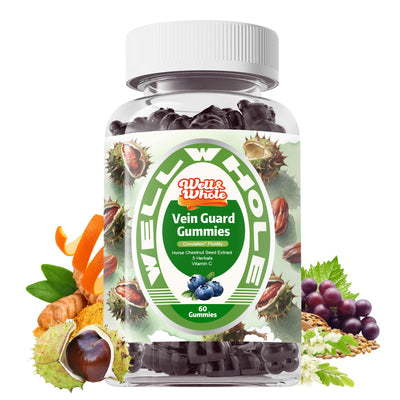
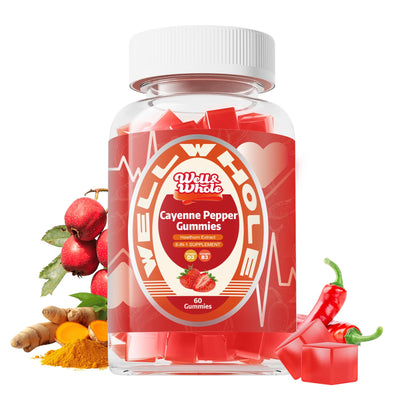
Where to begin? Our well&whole Horse Chestnut Extract Gummies, Circulation Supplements for Legs and Cayenne Pepper Heart Health Gummies with Hawthorn & CoQ10 & Turmeric are a sensible place to start, and the Heart Health collection lays out the other formats side by side with CoQ10.
These statements have not been evaluated by the Food and Drug Administration. This product is not intended to diagnose, treat, cure, or prevent any disease.