What Supplements for Cholesterol A Complete Evidence Guide
Discover what supplements for cholesterol really work with evidence based tips on plant sterols fiber omega 3 red yeast rice and more

How Supplements Can Help Lower Cholesterol
If you’re asking what supplements for cholesterol actually work, you’re probably tired of hearing “just eat better and exercise.” That matters, but it’s not the whole story. The right supplements can nudge your numbers in the right direction and support your heart over the long run.
Here’s the quick breakdown in plain English:
-
Cholesterol basics
- Your liver makes most of your cholesterol; the rest comes from food.
- LDL = “bad” cholesterol: when it’s high, it can build up in your arteries like gunk in a pipe.
- HDL = “good” cholesterol: helps carry extra cholesterol back to the liver so your body can get rid of it.
- The goal: lower LDL, keep HDL healthy, and manage triglycerides.
-
How the best supplements to lower LDL cholesterol actually work
-
Bind bile acids
Soluble fibers and some plant compounds stick to bile acids in your gut so your body has to pull more cholesterol out of your blood to make new bile. Result: LDL goes down. -
Block cholesterol absorption
Plant sterols and stanols and certain fibers compete with cholesterol in your intestines, so you absorb less from food. That helps if you’re looking for natural cholesterol reducers without statins. -
Reduce liver production
Some supplements signal your liver to make less cholesterol or burn more fats. This is a softer, more natural version of what statins do to lower LDL and triglycerides.
-
Bind bile acids
-
Why I treat supplements as support, not a cure-all
- Supplements are tools, not magic.
- On their own, they usually give mild to moderate improvements, not the dramatic drops you might see with prescription statins.
- Where they shine: as part of a plan that also includes better food choices, more movement, and solid sleep—a realistic, sustainable cholesterol management routine instead of a quick fix.
If you’re looking for natural cholesterol reducers without statins, think of supplements as your backup crew: they can absolutely help, but they work best when diet and lifestyle are driving the car.
Top evidence-based supplements for cholesterol
When people ask me what supplements for cholesterol actually move the needle, I always come back to the same short list. These are the ones with the best human data and real-world results for folks here in the U.S.
Plant sterols and stanols benefits for heart health
Best for: Mild to moderate LDL issues, “natural cholesterol reducers without statins”
- These are “plant cholesterols” that block cholesterol absorption in your gut.
- Typical dose: 1.5–3 g per day from fortified spreads, capsules, or chewables.
- Average results: 5–15% drop in LDL, especially when your diet is already decent.
- Look for:
- Sterol/stanol esters listed clearly on the label
- Around 0.8–1 g per serving, taken with meals
- Good fit if you:
- Want best supplements to lower LDL cholesterol without jumping straight to meds
- Already watch your diet and need an extra edge
Psyllium husk fiber for high cholesterol
Best for: People who also want help with digestion and blood sugar
-
Psyllium husk is a soluble fiber (think Metamucil and similar brands) that:
- Binds cholesterol in the gut
- Helps lower LDL and total cholesterol
- Average results: 5–10% LDL reduction with 10–15 g of psyllium daily.
- Tips:
- Take with plenty of water
- Start low (2–3 g) and work up to avoid gas/bloating
- Great if you want soluble fiber alternatives to Metamucil or a budget-friendly, big-impact option.
Red yeast rice vs statins side effects
Best for: Folks who can’t tolerate statins well, but still need solid LDL drops
- Red yeast rice naturally contains monacolin K, a compound similar to low-dose lovastatin.
- Typical results: 15–25% LDL reduction in many studies.
- Big cautions:
- Effects and side effects can look a lot like statins
- Quality varies wildly in the U.S. (some products have almost no active ingredient)
- Look for:
- U.S.-based brands with third-party testing
- Labels that clearly list monacolin content or emphasize “no hidden statins”
- Often paired with CoQ10 with red yeast rice to help support energy and muscle comfort.
Omega-3 fish oil and triglycerides
Best for: High triglycerides, metabolic issues, and general heart health
-
Omega-3 fatty acids (EPA and DHA) from fish oil:
- Strongly lower triglycerides (20–30% at higher doses)
- Have modest or neutral effects on LDL
- Typical dosage:
- 1–2 g of EPA + DHA per day for general heart support
- 2–4 g under medical supervision for high triglycerides
- Label tips:
- Check the EPA + DHA amount per serving, not just “fish oil” total
- Choose burp-less, purified oil with IFOS or similar third-party certification
- Solid choice if your doc says, “Your triglycerides are the main problem.”
Berberine supplement for blood lipids
Best for: People with cholesterol plus blood sugar or insulin resistance issues
-
Berberine is a plant compound that:
- Lowers LDL and triglycerides
- Helps with fasting blood sugar and A1C
- Typical dose: 500 mg, 2–3 times per day with meals.
- Data suggests:
- 10–20% LDL reduction in some studies
- Improved triglycerides and insulin sensitivity
- Look for:
- Berberine HCl from reputable, third-party tested brands
- This is a strong pick if you’re trying natural cholesterol reducers without statins and also watching carbs and weight.
Whey protein for cholesterol management
Best for: People who also want better protein intake, weight control, or workout support
-
Whey protein (the same stuff used in shakes) can:
- Modestly lower LDL and total cholesterol
- Support lean muscle and better body composition
- Best results:
- 20–40 g per day, especially when replacing sugary snacks or processed carbs
- Look for:
- Low-added-sugar formulas
- Whey isolate or concentrate with clear protein per scoop
- Simple option if you’re improving diet, hitting the gym, and want a double-duty supplement.
Niacin supplements HDL increase
Best for: Specific cases under doctor supervision
-
Niacin (vitamin B3) can:
- Lower LDL and triglycerides
- Increase HDL (“good” cholesterol)
- Problem: At doses high enough to help cholesterol, side effects jump:
- Flushing, itching, liver stress, blood sugar changes
- Important:
- Do not self-dose high niacin without your doctor
- If used, it’s usually extended-release niacin with regular lab monitoring
- I treat niacin as a “prescribed supplement”, not a DIY option.
Garlic supplements mixed cholesterol results
Best for: Mild support, people focused on overall heart and blood pressure
-
Garlic supplements show mixed results:
- Some studies show small LDL drops, others show little change
- Potential upsides:
- Modest cholesterol help
- Possible blood pressure and circulation benefits
- Tips:
- Look for standardized garlic extract (often 600–1200 mg per day total)
- Choose odor-controlled formulas if smell is a concern
- Think of garlic as a supportive add-on, not your main cholesterol tool.
Flaxseed lignans heart health
Best for: People wanting plant-based omega-3s and fiber
-
Flaxseed brings three things:
- ALA plant omega-3s
- Soluble and insoluble fiber
- Lignans that may support heart and hormone balance
- Benefits:
- Modest LDL improvement
- Better digestion and fullness
- How to use:
- 1–2 tablespoons of ground flaxseed daily in yogurt, oats, or smoothies
- Strong fit if you’re looking at flaxseed lignans heart health and want food-based cholesterol support.
Citrus bergamot for LDL reduction
Best for: People with moderately high LDL who want a “stronger” natural option
-
Citrus bergamot (from a specific Italian citrus fruit) has:
- Solid early data showing 15–30% LDL reduction in some studies
- Possible improvements in triglycerides and blood sugar
- Typical dose: 500–1500 mg per day of standardized bergamot extract.
- Look for:
- A clear standardization (e.g., polyphenol content)
- U.S.-market brands with third-party testing
- This is one of the more aggressive non-statin options for LDL, often used by people who want the best supplements to lower LDL cholesterol without prescription meds.
Pulling it together
Each of these cholesterol-lowering supplements works a little differently:
- Block absorption: Plant sterols/stanols, psyllium, flaxseed
- Reduce production: Red yeast rice, berberine, citrus bergamot, niacin
- Support triglycerides and overall heart health: Fish oil, flaxseed, garlic, whey
If you’re in the U.S. and trying to build a natural cholesterol reducers without statins stack, the most common starting combos I see are:
- Psyllium + plant sterols (budget-friendly, gentle)
- Fish oil + berberine (for triglycerides and blood sugar)
- Red yeast rice + CoQ10 + citrus bergamot (more aggressive, but should be run by your doctor)
From there, you tweak based on your labs, your doctor’s feedback, and how your body responds.
Supplements vs. Prescription Statins – What the Science Says
When people search “what supplements for cholesterol,” they’re usually hoping to avoid prescription drugs like statins. I get it. But if we’re being straight, natural cholesterol reducers without statins don’t always match what statins can do.
Statins vs. Best Supplements to Lower LDL Cholesterol
Here’s a simple side‑by‑side look based on typical results from clinical studies:
| Option | Typical LDL Reduction | Other Effects | Common Side Effects | Approx. Monthly Cost (U.S.)* |
|---|---|---|---|---|
| Prescription statins (atorvastatin, simvastatin, etc.) | 20–60% (dose-dependent) | Lower heart attack and stroke risk, some triglyceride drop | Muscle aches, rare liver issues, possible blood sugar increase | $0–$10 (with insurance/generics), $10–$30 cash |
| Red yeast rice | 15–25% | Mild triglyceride drop, may lower total cholesterol | Muscle pain, liver enzyme changes, same type of side effects as low‑dose statins | $15–$40 |
| Plant sterols and stanols | 5–15% | Work best when diet is already decent | Can cause mild GI issues (bloating, gas) | $10–$25 |
| Psyllium husk (soluble fiber) | 5–10% | Helps digestion, can lower blood sugar a bit | Gas, bloating if you start high | $5–$15 |
| Citrus bergamot | 10–20% (varies by brand/dose) | May improve triglycerides and total cholesterol | Heartburn, mild GI upset in some people | $20–$40 |
| Berberine | 5–15% | Can help blood sugar and triglycerides | GI upset, cramping, interacts with many meds | $15–$30 |
*Costs are rough ranges for U.S. online/local stores.
Why Statins Are Still the Gold Standard
Even though I run a business that leans hard into supplements, I’m not going to pretend they replace statins for everyone.
Here’s the honest take:
-
Supplements can be a great first step if:
- Your LDL is mildly to moderately high.
- You’re younger, without major heart disease risk yet.
- You’re already working on diet, weight, and exercise.
-
Supplements can be a powerful add‑on if:
- You’re on a statin but still want better numbers.
- You need extra help with triglycerides (omega‑3 fish oil, flaxseed, etc.).
- You want to lower your dose of a statin (with your doctor’s OK).
But for many Americans—especially those with:
- A history of heart attack or stroke
- Diabetes
- Very high LDL (160+)
- Strong family history of early heart disease
Statins are still the gold standard because:
- They’re proven in huge clinical trials to reduce heart attacks, strokes, and death.
- They consistently drop LDL much more than most natural cholesterol reducers.
- They’re relatively cheap in the U.S., especially generics.
When to Talk to Your Doctor About Switching or Stacking
If you’re wondering whether to go “all natural” or combine things, here’s how I’d approach it.
Talk to your doctor before you:
-
Use supplements instead of statins if:
- Your LDL is over 160.
- You’ve been told you have atherosclerosis, “plaque,” or coronary artery disease.
- You’ve had a heart attack, stent, or stroke.
In these cases, going supplements-only is usually not a smart bet.
-
Stack supplements with a statin:
- Psyllium husk (soluble fiber alternatives to Metamucil) – usually safe add‑on.
- Plant sterols and stanols – often used alongside meds.
- Omega‑3 fish oil – great for high triglycerides and heart health.
- CoQ10 with red yeast rice or statins – some people use this to help with muscle aches (evidence is mixed, but it’s common).
Always tell your doctor if you add red yeast rice, berberine, niacin, or citrus bergamot, because:
- They can overlap with statin effects.
- They can stress the liver.
- They can interact with other meds.
-
Consider switching:
- If you’ve tried two or more statins at different doses and still have major side effects.
- If your risk is lower (you don’t have heart disease yet, and your numbers are borderline).
In that case, you and your doctor might map out a trial run with:
- A strong lifestyle plan (diet, weight loss, exercise).
- A combo of top supplements to lower LDL cholesterol (like soluble fiber, plant sterols, and citrus bergamot).
- Follow‑up labs in 3–4 months.
Bottom Line
- Supplements can move your cholesterol in the right direction and are often a smart first step or add‑on.
- Statins are still the most powerful and proven option for cutting LDL and protecting your heart.
- Your best move is not either/or; it’s building a plan with your doctor that fits:
- Your numbers
- Your risk level
- Your budget
- How consistent you’ll actually be with pills, diet, and exercise.
Use supplements wisely, not blindly—and always loop your healthcare provider into the plan.
How to choose what supplements for cholesterol
Quick quiz: what’s your main goal?
Use this as a fast filter before you buy anything.
| Situation / Goal | Best starting supplements for cholesterol | Why it fits |
|---|---|---|
| “I’m a beginner, just getting started” | Psyllium husk, plant sterols | Gentle, well-studied, easy to add to daily routine |
| Women over 50 (peri/post-menopause) | Psyllium, omega-3 fish oil, flaxseed | Help LDL, triglycerides, and heart health together |
| High triglycerides, fatty liver, or MetS | Omega-3 fish oil, berberine | Strong data for triglycerides and metabolic health |
| Want natural cholesterol reducers without statins | Plant sterols, citrus bergamot, garlic | “Food-like” options with LDL support |
| Budget-friendly, “biggest bang for buck” | Psyllium husk, omega-3 from store brands | Cheap, accessible, good LDL and TG support |
| Already on a statin, want extra support | Psyllium, plant sterols, CoQ10 | Often used with statins; CoQ10 may help muscle side effects |
If you’ve got diabetes, kidney issues, or take several meds, talk to your doctor or pharmacist before adding anything.
What to look for on the label
When I pick supplements to lower LDL cholesterol on my own platform, I’m strict about labels. You should be too.
Non‑negotiables:
-
Third‑party tested
- Look for NSF, USP, Informed Choice, or ConsumerLab on the bottle.
-
Standardized extract
- Red yeast rice: lists monacolin K amount and confirms no added lovastatin.
- Citrus bergamot: shows % of bergamot polyphenols.
- Garlic: “standardized to allicin” or “aged garlic extract” with mg listed.
-
Clear dosing
- Exact amount per capsule and serving size (ex: “Psyllium 3 g per serving”).
-
No hidden statins or stimulants
- Avoid vague phrases like “proprietary blend” with no mg amounts.
- For red yeast rice: label should state “no synthetic statins added”.
-
Allergen and quality info
- “Non‑GMO,” “gluten‑free,” and made in a cGMP facility are solid pluses.
Daily routine tips that actually stick
You don’t need a complicated stack. Build around habits you already have.
Simple plug‑and‑play ideas:
-
Tie it to meals
- Psyllium / soluble fiber: with a full glass of water 10–15 minutes before breakfast and dinner.
- Plant sterols: with your largest meals (they block cholesterol absorption from food).
- Red yeast rice / citrus bergamot: typically with evening meal (check label).
-
Use a “two‑time anchor”
- Morning: fish oil + fiber
- Night: cholesterol supplement (red yeast rice / bergamot) + CoQ10 if needed.
-
Set safeguards
- Pill organizer labeled for AM/PM.
- Phone reminder at the same times you already do something daily (coffee, brushing teeth).
-
Start low, go slow
- Begin at half dose for 3–5 days to watch for side effects like gas, loose stool, or heartburn.
-
Track results
- Note start date, supplement, and dose.
- Get lipids checked in 8–12 weeks to see what’s actually working.
Keep it simple: pick one or two of the best supplements to lower LDL cholesterol that match your situation, lock them into your routine, and then let the lab work tell you if you’re getting real results.
Safety, Side Effects, and Important Warnings for Cholesterol Supplements
When people ask “what supplements for cholesterol are actually safe?”, this is where I slow them down. “Natural” doesn’t mean “no risk.” Here’s the short, honest version.
Red‑flag side effects (by popular cholesterol supplements)
-
Plant sterols and stanols
- Usually well tolerated
- Possible: mild stomach upset, gas
- Avoid mega-doses if you already have very low LDL.
-
Psyllium husk (soluble fiber)
- Can cause bloating, gas, constipation, or choking if taken without enough water
- Drink a full glass of water with each dose.
-
Red yeast rice
- This one is serious: it can act like a low-dose statin
- Watch for muscle pain/weakness, dark urine, severe fatigue, liver issues
- Stop right away and call your doctor if you notice these.
-
Omega‑3 fish oil
- Fishy burps, loose stools, mild nausea
- In higher doses, may increase bleeding risk.
-
Berberine
- Common: cramping, diarrhea, constipation, or low blood sugar
- Skip if you already have unstable blood sugar unless your doctor is involved.
-
Whey protein
- Gas, bloating, or diarrhea, especially if you’re lactose intolerant
- Not ideal for people with dairy allergies.
-
Niacin (vitamin B3)
- Flushing, warmth, itching, headache, increased blood sugar, liver stress
- High-dose niacin for cholesterol should be doctor-supervised only.
-
Garlic supplements
- Bad breath, body odor, heartburn
- Can increase bleeding in some people.
-
Flaxseed (lignans)
- Bloating, gas if you ramp up too fast
- Needs plenty of water; whole seeds can be a choking risk for some.
-
Citrus bergamot
- Usually mild: heartburn, nausea, or headache in some
- Limited long-term safety data, so don’t overdo dose.
Drug interactions you can’t ignore
If you’re on prescription meds, you have to be picky about natural cholesterol reducers without statins:
-
Blood thinners (warfarin, Eliquis, Xarelto, Plavix, aspirin)
- Be cautious with: fish oil, garlic, flaxseed, high-dose vitamin E
- These can raise bleeding risk.
-
Blood pressure meds
- Some supplements (like berberine) can lower blood pressure further
- You don’t want to bottom out and get dizzy or faint.
-
Diabetes meds
- Berberine and niacin can change blood sugar levels
- You may need closer monitoring or dose adjustments.
-
Statins
- Red yeast rice + statin = higher risk of muscle and liver side effects
- CoQ10 is often used with statins or red yeast rice to support muscle health, but still tell your doctor.
-
Other liver-metabolized drugs
- Niacin, red yeast rice, citrus bergamot, and berberine all put extra work on the liver
- If you’re on multiple meds, get your liver labs checked.
Who should skip certain cholesterol supplements
-
Pregnant or breastfeeding
- Avoid: red yeast rice, high-dose niacin, berberine, citrus bergamot
- Stick to food-based options unless your OB signs off.
-
History of liver disease
- Be very careful with: niacin, red yeast rice, berberine, citrus bergamot
- You need lab monitoring or alternative options like psyllium husk or plant sterols.
-
Kidney disease
- Large protein loads (like high-dose whey protein) might not be ideal
- Get a green light from your nephrologist first.
-
Active bleeding issues or upcoming surgery
- Go easy on: fish oil, garlic, flaxseed, high-dose vitamin E
- Most surgeons want these stopped 7–10 days before surgery.
The golden rule for cholesterol supplements
No matter how “natural” it looks on the bottle:
-
Always run any new supplement by your healthcare provider, especially if:
- You take prescription meds
- You have heart disease, diabetes, liver, or kidney problems
- You’re pregnant, trying to conceive, or breastfeeding
Supplements for cholesterol can absolutely help—plant sterols, psyllium husk, omega‑3 fish oil, and others—but I treat them like tools, not toys. The safer the plan, the better the long-term results.
Realistic expectations for what supplements can do
When people ask me what supplements for cholesterol actually deliver, I’m blunt: they help, but they’re not magic. Most natural cholesterol reducers without statins take time and need backup from your lifestyle.
How long until supplements lower cholesterol?
Most best supplements to lower LDL cholesterol need a real trial run before you judge them:
-
4–6 weeks:
- Early changes in triglycerides with omega-3 fish oil
- Small shifts in LDL with psyllium husk fiber and plant sterols and stanols
-
8–12 weeks:
- Noticeable LDL drops with red yeast rice, citrus bergamot, or berberine
- Modest HDL bump with niacin and lifestyle changes
-
3–6 months:
- More stable, consistent improvements when you stick to your full plan
If you don’t stick with it for at least 8–12 weeks, it’s almost impossible to see what a supplement can really do.
The 80/20 rule: supplements + lifestyle
From what I see with U.S. customers, the wins come from stacking the basics. Think of this as your 80/20 cholesterol plan:
-
40% – Diet:
- More soluble fiber (psyllium, oats, beans, flaxseed)
- Less fried food, fast food, and processed meats
- Swap butter for olive oil and avocado
-
20% – Exercise:
- Aim for 150 minutes/week of brisk walking, cycling, or similar
- Add 2 short strength sessions (bodyweight or light weights)
-
20% – Sleep & stress:
- 7–9 hours of sleep makes your numbers and cravings easier to control
- Simple stress tools: short walks, breathing exercises, or a quick break from screens
-
20% – Supplements:
- Plant sterols and stanols with meals
- Psyllium husk fiber once or twice a day
- Omega-3 fish oil or flaxseed and lignans for heart health
- Red yeast rice or citrus bergamot only if your provider says it’s safe
Supplements work best when they support what you’re already doing with your food, movement, and sleep—not replace it.
Real success stories and what made them work
Here’s what’s actually working for my customers in the U.S. who wanted natural cholesterol reducers without statins but still respect the science.
Case 1 – Busy dad, high LDL, hates “diets”:
- LDL was 165 mg/dL, triglycerides 210 mg/dL
- Plan:
- Psyllium husk fiber (1 serving morning and night)
- Fish oil (omega-3) daily for triglycerides
- Simple rule: no drive-thru on weekdays, walk 20 minutes after dinner
-
Result after 12 weeks:
- LDL down to 140, triglycerides to 160
- No statin yet, but his doctor was happy with the trend
What made it work: small, repeatable habits + consistent fiber and omega-3s.
Case 2 – Woman in her 50s, borderline statin, wants options:
- LDL 155 mg/dL, family history of heart disease
- Plan (approved by her cardiologist):
- Plant sterols and stanols with her two biggest meals
- Citrus bergamot supplement for LDL reduction
- Swapped dessert most nights for Greek yogurt and berries
- Added 3 days/week of brisk walking
-
Result after 3 months:
- LDL down to 130, HDL slightly improved
- Doctor still watching, but no statin yet
What made it work: she took supplements exactly as directed and paired them with realistic diet changes.
Case 3 – On a statin but wants extra support:
- Already on a low-dose statin, LDL still around 120
- Plan (doctor-approved):
- Red yeast rice was skipped because he was already on a statin
- Added psyllium husk and whey protein shake to boost soluble fiber and protein
- Focused on cutting sugary drinks to help triglycerides
-
Result after 10–12 weeks:
- LDL dropped into the 90s
- Felt less hungry between meals, easier weight control
What made it work: smart stacking—supplements with diet and a statin, not either/or.
Bottom line: if you’re looking at what supplements for cholesterol to use, expect:
- 4–12 weeks to see real changes
- Better results when you pair supplements with diet, exercise, and sleep
- Best outcomes when your doctor is in the loop, especially if you’re mixing red yeast rice, niacin, or multiple products
Use supplements as tools in a full plan, not shortcuts—and you can absolutely move your numbers in the right direction.
Frequently Asked Questions About What Supplements for Cholesterol
Can I take multiple supplements at once?
You can, but stack smart. Many people in the U.S. combine psyllium husk, omega-3 fish oil, and plant sterols and stanols as natural cholesterol reducers without statins. Here’s how I look at it:
-
Safe base stack for most:
- Soluble fiber (psyllium or other soluble fiber alternatives to Metamucil)
- Omega-3s for triglycerides
- Plant sterols/stanols
-
Be more careful with:
- Red yeast rice (acts like a low-dose statin)
- Niacin (can hit liver and blood sugar)
- Berberine (can affect blood sugar and meds)
Always run your combo by your healthcare provider, especially if you’re on blood pressure meds, blood thinners, or diabetes drugs.
Do I need a prescription for any of these?
Most best supplements to lower LDL cholesterol are over-the-counter in the U.S.:
- No prescription: psyllium, plant sterols, fish oil, garlic supplements, flaxseed, citrus bergamot, whey protein, berberine, CoQ10
- OTC but often monitored: niacin (high-dose “flush” niacin is where risk jumps)
- Red yeast rice is OTC, but it can contain natural statin-like compounds, so I treat it like a drug-level supplement and track labs.
Just because it’s “natural” doesn’t mean “risk-free.” Use them like tools, not candy.
Which supplement is the best overall?
There’s no single “best,” but if I had to rank what supplements for cholesterol for most Americans:
-
Best all-around starting point:
- Psyllium husk (soluble fiber) – cheap, easy, proven LDL reduction
-
Best add-on for LDL:
- Plant sterols and stanols
-
Best for high triglycerides:
- Omega-3 fish oil or flaxseed and lignans
-
Strongest “natural statin-like” option:
- Red yeast rice, ideally with CoQ10 with red yeast rice for muscle support
The “best” for you depends on your goals: LDL, HDL, triglycerides, or overall heart health.
How long until I see results?
Most natural cholesterol reducers without statins need time:
- 4–6 weeks: First shift on labs for fiber, sterols, fish oil, citrus bergamot
- 8–12 weeks: More solid LDL changes from red yeast rice, berberine, niacin
- You’ll only see the real story with blood work, not how you “feel”
Plan on a 3–month minimum before you judge whether a supplement is working.
What if my doctor wants me on a statin?
Here’s how I handle it personally as an entrepreneur who cares about outcome, not hype:
- Statins are still the gold standard for big LDL drops and cutting heart attack risk
- If your risk is high (strong family history, previous heart event, very high LDL), I don’t fight the statin conversation
- You can often combine statins with supplements:
- Fiber + sterols + lifestyle to lower the dose you need
- CoQ10 to help with muscle side effects
- If you truly want natural alternatives to statins, be upfront with your doctor and ask for:
- A trial period of diet + exercise + targeted supplements
- Repeat labs in 3 months to see if you’ve earned the right to stay off meds
Bottom line: use what supplements for cholesterol as leverage, not a replacement for medical advice. Your labs and risk level should drive the final call.
Related supplements
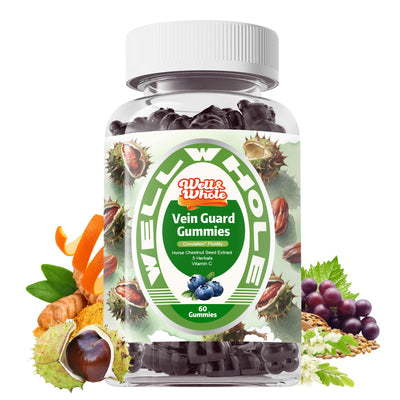
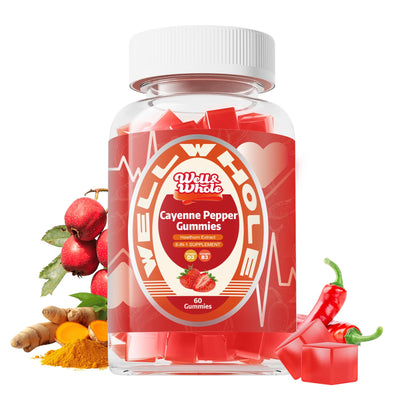
Where to begin? Our well&whole Horse Chestnut Extract Gummies, Circulation Supplements for Legs and Cayenne Pepper Heart Health Gummies with Hawthorn & CoQ10 & Turmeric are a sensible place to start, and the Heart Health collection lays out the other formats side by side with CoQ10.
These statements have not been evaluated by the Food and Drug Administration. This product is not intended to diagnose, treat, cure, or prevent any disease.