What Is the Difference Between L Tyrosine and L Lysine
Learn the difference between L Tyrosine and L Lysine benefits sources uses and how to choose the right amino acid

What Are L Tyrosine and L Lysine?
If you’ve ever wondered why some amino acid supplements boost focus while others support immunity or cold sores, you’re really asking: what’s the difference between L Tyrosine and L Lysine?
Both are amino acids, but they play very different roles in your body and in your daily performance.
Overview of L Tyrosine
L Tyrosine is a non-essential amino acid your body can make from another amino acid called phenylalanine.
I look at L Tyrosine mainly as a brain and stress support amino acid:
- Helps your body make key brain chemicals:
- Dopamine (motivation, drive)
- Norepinephrine & epinephrine (focus, stress response)
- Supports cognitive health, alertness, and mental performance
- Often used for:
- Stressful workdays
- Intense study sessions
- Situations with high mental load
- Also involved in:
- Thyroid hormone production
- Melanin (skin and hair pigment)
In plain terms: L Tyrosine = focus, stress resilience, and brain performance support.
Overview of L Lysine
L Lysine is an essential amino acid, which means your body cannot make it — you have to get it from food or supplements.
I see L Lysine as a tissue repair and immune support amino acid:
- Key role in:
- Protein synthesis and muscle recovery
- Collagen formation (skin, joints, connective tissue)
- Popular for:
- Cold sores (herpes simplex) support
- Immune health and general recovery
- Helps your body absorb calcium and maintain healthy bones
In simple terms: L Lysine = immune support, cold sore support, and muscle/tissue recovery.
Quick Comparison Snapshot
| Feature | L Tyrosine | L Lysine |
|---|---|---|
| Amino acid type | Non-essential | Essential |
| Main role | Brain, mood, stress, thyroid function | Immune support, cold sores, muscle repair |
| Key benefits | Focus, alertness, stress support | Cold sore support, collagen, recovery |
| Main systems affected | Nervous system, thyroid | Immune system, muscles, skin, connective tissue |
| Typical use | Cognitive health & stress performance | Immune support & recovery support |
Put simply:
- L Tyrosine is what I reach for when the goal is mental performance and stress support.
- L Lysine is what I use when the priority is immune health, cold sores, or recovery.
Key Differences Between L Tyrosine and L Lysine
Chemical Structure and Classification
| Feature | L Tyrosine | L Lysine |
|---|---|---|
| Amino acid type | Non-essential (body can make some) | Essential (must get from diet) |
| Main role | Precursor to brain chemicals & hormones | Building block for protein & tissue |
| Related systems | Brain, thyroid, stress response | Immunity, skin, muscle repair |
- L Tyrosine = used to make dopamine, norepinephrine, epinephrine, and thyroid hormones.
- L Lysine = strictly structural and immune-supportive, and a key essential amino acid.
Primary Functions in the Body
L Tyrosine:
- Supports cognitive health (focus, alertness).
- Helps the body handle stress (physical and mental).
- Supports thyroid function via thyroid hormone production.
L Lysine:
- Supports muscle recovery and protein synthesis.
- Plays a role in immune support and collagen production (skin, joints).
- Commonly used for cold sores (herpes simplex virus).
Health Benefits and Targeted Uses
| Goal / Use Case | Better Match | Why |
|---|---|---|
| Focus, mental performance, stress | L Tyrosine | Feeds neurotransmitter and stress hormone pathways |
| Thyroid support (with medical guidance) | L Tyrosine | Precursor to thyroid hormones |
| Cold sore support | L Lysine | Popular for reducing frequency/severity |
| General immune support | L Lysine | Supports immune function and tissue repair |
| Muscle repair and recovery | L Lysine | Essential for protein and muscle building |
Potential Side Effects and Precautions
L Tyrosine side effects & precautions:
- Possible: nausea, headache, restlessness, trouble sleeping at high doses.
- Use caution or ask your doctor if you have:
- Overactive thyroid, Graves’ disease
- Taking thyroid meds, MAOIs, or certain antidepressants
- Avoid mega-dosing; more is not always better for brain or thyroid.
L Lysine side effects & precautions:
- Generally well tolerated; possible: stomach upset, diarrhea at high doses.
- Use caution or ask your doctor if you have:
- Kidney issues or are on low-protein diets
- For cold sores, don’t skip medical treatment if outbreaks are severe or frequent.
Both amino acid supplements can be powerful tools, but I treat them like any targeted health product: goal first, supplement second, doctor in the loop when needed.
Sources of L Tyrosine and L Lysine
Dietary sources of L Tyrosine and L Lysine
Both amino acids are easy to get from a normal U.S. diet:
-
Top L Tyrosine foods
- Chicken, turkey, beef
- Eggs and cheese (especially cheddar)
- Fish
- Soy products (tofu, tempeh)
- Beans, nuts, and seeds
-
Top L Lysine foods
- Red meat, poultry, fish
- Eggs
- Greek yogurt, cottage cheese, milk
- Lentils, beans, and peas
- Quinoa and amaranth
Quick tip:
If you’re mostly plant-based, you’ll usually get more L Tyrosine from soy and legumes, but you may need to be more intentional about L Lysine, making sure you get enough beans, lentils, and quinoa.
L Tyrosine and L Lysine supplements
If diet alone doesn’t cut it, amino acid supplements can help:
-
L Tyrosine supplements
- Often used for stress, focus, and cognitive health
- Common in pre-workouts and “focus” formulas
- Typical dose: 500–2,000 mg/day, usually on an empty stomach
-
L Lysine supplements
- Popular for cold sores, immune support, and muscle recovery
- Often combined with vitamin C or zinc
- Typical dose: 500–3,000 mg/day, split into 1–3 doses
If I’m building a stack for U.S. customers, I usually keep L Tyrosine in morning or pre-workout formulas and L Lysine in immune and recovery products.
Absorption and bioavailability
The difference between amino acids shows up in how they’re absorbed:
- Both L Tyrosine and L Lysine use similar transporters in the gut
- Taking several single amino acids together can make them compete for absorption
- For better bioavailability:
- Take L Tyrosine away from high-protein meals if you’re using it for focus or stress support
- Take L Lysine with or without food; consistency matters more than timing for cold sores and immune support
Bottom line:
Food gives you steady background levels of L Tyrosine and L Lysine, while targeted supplements let you push specific benefits like cognitive health or immune support when you actually need them.
Which One Should You Choose? (L Tyrosine vs L Lysine)

When people ask me about L Tyrosine vs L Lysine, I always start with this: they do completely different jobs. Your choice should match your main goal.
When to Choose L Tyrosine
Pick L Tyrosine if your focus is more on mood, stress, and brain function.
Best suited for:
- Mental performance: staying sharp and focused at work, school, or on long drives
- Stress support: demanding jobs, busy parents, shift workers, or high-pressure seasons
- Cognitive health: supporting memory, attention, and alertness
- Thyroid support: Tyrosine is a building block for thyroid hormones (T3, T4)
Typical use (general guidance only):
| Goal | Common Range* | Timing |
|---|---|---|
| Focus / mental energy | 300–500 mg | Morning or before big tasks |
| Stressful days | 300–1,000 mg | Split 1–2 doses, avoid late |
*Always confirm with your healthcare provider, especially if you take meds or have thyroid issues.
When to Choose L Lysine
Reach for L Lysine if you care more about immune support, cold sores, and recovery.
Best suited for:
- Cold sores (HSV-1): many people in the U.S. use L Lysine for cold sores as part of their routine
- Immune support: during cold/flu season or frequent travel
- Muscle recovery: active lifestyle, gym, sports, manual labor
- Protein intake: low-meat diets that may lack enough lysine
Typical use (general guidance only):
| Goal | Common Range* | Timing |
|---|---|---|
| Cold sore support | 500–1,000 mg | 1–3× daily with food |
| General immune / muscle | 500–1,000 mg | With meals |
Can You Take L Tyrosine and L Lysine Together?
Yes, most people can safely take L Tyrosine and L Lysine supplements together since they use different pathways in the body.
Smart combo use (general info, not medical advice):
-
Take L Tyrosine
- Empty stomach or light carb snack
- Morning or before mentally demanding work
-
Take L Lysine
- With meals for better tolerance
- Spread doses if using for cold sores or immune support
Avoid both if:
- You have kidney disease or are on a restricted protein plan
- You’re on serious meds (thyroid, MAOIs, certain antidepressants) without talking to your doctor
Quick decision guide:
| Your Main Goal | Better Fit |
|---|---|
| Focus, mood, stress | L Tyrosine |
| Cold sores, immune, recovery | L Lysine |
| All of the above (with care) | Both, combined (with medical guidance) |
Practical Tips for Using L Tyrosine and L Lysine
Add L Tyrosine and L Lysine Through Food
I always tell people to start with diet first before jumping into amino acid supplements:
Good L Tyrosine dietary sources:
- Lean turkey, chicken, beef
- Eggs and dairy (Greek yogurt, cottage cheese, cheese)
- Soy products (tofu, tempeh, edamame)
- Pumpkin seeds, sesame seeds, almonds, peanuts
Good L Lysine dietary sources:
- Lean red meat, pork, poultry
- Fish (especially cod, sardines, tuna)
- Dairy (milk, cheese, yogurt)
- Beans, lentils, chickpeas
- Quinoa and amaranth
Simple daily habits:
- Build each meal around a solid protein source (meat, fish, eggs, or beans).
- For cold sore or immune support, focus more on high-lysine foods like dairy, fish, and poultry.
- For focus, stress, or cognitive health, make sure you have protein at breakfast to support L Tyrosine levels.
Timing and Dosage for L Tyrosine vs L Lysine Supplements
Nothing here is medical advice, but this is how most people in the U.S. tend to use these amino acids:
L Tyrosine supplement tips (focus, stress, mood):
- Common dose: 300–500 mg, 1–2 times per day (some go up to 1,500 mg/day under guidance).
-
Best timing:
- Morning or 30–60 minutes before stressful tasks or workouts.
- Take on an empty stomach or away from high-protein meals for better absorption.
- Avoid taking it late at night if it makes you feel too alert.
L Lysine supplement tips (cold sores, immune support, recovery):
- General support: 500–1,000 mg once or twice daily.
- Cold sore support: often 1,000 mg 2–3 times daily at the very first sign (talk to your doctor first).
- Can be taken with or without food; many people in the U.S. take it with meals for convenience.
Using L Tyrosine and L Lysine Together
You can take L Tyrosine and L Lysine together, but I usually suggest:
-
Split dosing:
- L Tyrosine: morning / pre-workday or pre-workout
- L Lysine: with breakfast and/or dinner
- Don’t overload on total amino acid supplements if you already eat a high-protein diet.
- If you’re on thyroid meds, antidepressants, or antivirals, talk to your doctor before stacking L Tyrosine and L Lysine.
Keeping it simple:
- Use L Tyrosine when you need help with focus, stress, or cognitive function.
- Use L Lysine when you care more about immune support, cold sores, and muscle recovery, and then let solid daily protein do the rest.
Related supplements
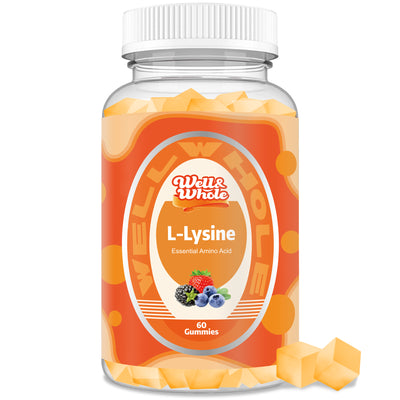
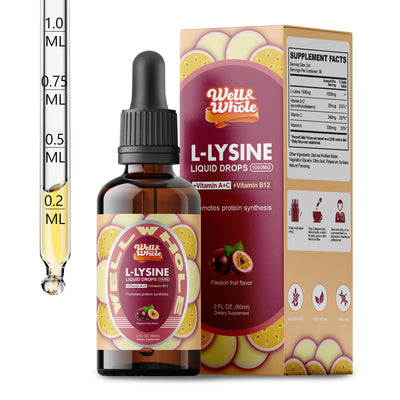
Putting it simply: if this is something you want to add to your routine, our L-Lysine 1000mg Essential Amino Acid Supplement Gummies for Kids and Adults and L-Lysine Supplement Liquid Drops 1000mg are a good place to start. The wider L-lysine collection is worth a look, and the Amino Acids range covers related formats.
These statements have not been evaluated by the Food and Drug Administration. This product is not intended to diagnose, treat, cure, or prevent any disease.