What Is Magnesium Essential Mineral Benefits Types and Uses
Discover what is magnesium its health benefits deficiency signs food sources and best supplement types for sleep stress and energy

You might already know that your body needs essential minerals to survive…
But do you know which one acts as the ultimate cellular spark plug for your entire system?
It’s magnesium. And right now, there is a quiet crisis happening: up to 50% of adults are living with a magnesium deficiency, completely unaware of why they feel so burned out.
Think of magnesium as the unsung hero of your daily vitality. It doesn't get as much hype as Vitamin C or Vitamin D, but this single essential mineral is secretly responsible for over 300 biochemical reactions inside you. We are talking about everything from nervous system support and managing chronic stress and cortisol to preventing agonizing muscle cramps and spasms.
If you've been struggling with fragmented sleep, brain fog, or low energy, you don't need a complicated biohack. You likely just need to fix your mineral foundation.
In this complete well&whole guide, we are breaking down the exact food sources rich in magnesium to add to your grocery cart, how to spot hidden magnesium deficiency symptoms, and how to choose the right supplement—whether that's ultra-calming magnesium glycinate for deep sleep or highly absorbable magnesium citrate for your gut health.
Let's get right to it.
What is Magnesium? Your Body's Biological Blueprint
Ever wonder why you feel constantly drained, stressed, or plagued by stubborn muscle twitches? The answer usually traces back to one vital element: magnesium. As an essential mineral, it acts as the master spark plug for your entire system. Without it, your body simply shuts down one cellular process at a time.
Here is exactly how this powerhouse mineral runs your internal biological blueprint behind the scenes.
The 300+ Enzyme Reactions
Think of magnesium as the ultimate multi-tasker. It serves as a necessary co-factor in more than 300 enzymatic reactions inside your body. From building proteins to regulating blood pressure and mapping DNA, this single mineral controls the biochemical switches that keep you alive and thriving.
Energy Production and ATP Synthesis
If you are constantly fighting fatigue, you don't just need more caffeine—you need magnesium. Your cells generate energy through a molecule called adenosine triphosphate (ATP).
The Cellular Reality: ATP cannot activate on its own. It must bind to a magnesium ion to form "Mg-ATP" before your body can use it for fuel.
Without adequate intake, your cells cannot produce or utilize energy efficiently, leaving you running on empty.
Nervous System and Mood Regulation
Magnesium plays a massive role in nervous system support. It acts as a natural gatekeeper for NMDA receptors in the brain, preventing stress chemicals from overloading your neurons.
- Calms the brain: It helps regulate neurotransmitters like GABA, which promotes relaxation.
- Blunts cortisol: It helps manage chronic stress and cortisol levels, keeping your fight-or-flight response in check.
- Improves sleep: By calming the nervous system, it prepares your body for deeper, more restorative rest.
Muscle Function and Recovery
If you suffer from frequent muscle cramps and spasms, your body is screaming for help. Magnesium and calcium work in a tight, binary loop to control muscle movement. Calcium causes muscles to contract, while magnesium forces them to relax. When you run low on magnesium, your muscles stay locked in a state of tension, leading to tightness, soreness, and painful nighttime cramps.
Cardiovascular and Blood Sugar Support
Your heart is a muscle, meaning it relies heavily on magnesium to maintain a steady, healthy rhythm. Proper levels protect your cardiovascular health by keeping blood vessels flexible and maintaining optimal bone mineral density alongside calcium and vitamin D.
Furthermore, magnesium helps your cells respond to insulin. Better insulin sensitivity means steadier blood sugar levels and fewer energy crashes throughout your day.
The Quiet Crisis: Signs You Might Be Magnesium Deficient
Why Deficiency Goes Unnoticed
Magnesium deficiency is a hidden epidemic in the United States. Standard blood tests often miss it because less than 1% of the body's total magnesium is stored in the blood; the rest resides in bones and soft tissues. This means your serum levels can look completely normal even while your cells are starving for this essential mineral.
Early Warning Signs
When your body runs low on magnesium, the initial symptoms are easy to dismiss as everyday fatigue or stress. Pay close attention to these early red flags:
- Muscle cramps and spasms: Sudden charley horses in the calves or persistent eye twitches.
- Mild fatigue: Feeling sluggish despite getting a full night of sleep.
- Loss of appetite: A sudden drop in hunger or mild, unexplained nausea.
Progressive Cognitive & Physical Symptoms
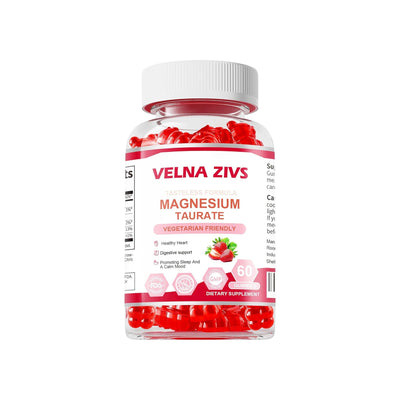
If left unaddressed, a mild shortage escalates into more severe chronic issues. Over time, low levels degrade bone mineral density and trigger constant muscle tension. You may experience progressive symptoms including numbness in the extremities, irregular heart rhythms, and heightened anxiety due to elevated cortisol levels. For targeted cardiovascular support, incorporating a highly bioavailable formula like our magnesium taurate gummies can help restore proper cellular function and protect your heart health.
Root Causes of Depletion
Modern lifestyle habits heavily drive this widespread magnesium deficiency. The most common causes of depletion include:
- Soil Depletion: Industrial farming practices have stripped our soil—and consequently our food sources—of natural mineral content.
- Chronic Stress: High stress levels cause the body to rapidly excrete magnesium through urine.
- Dietary Choices: High consumption of processed foods, caffeine, and alcohol actively blocks nutrient absorption.
Whole Foods First: The Ultimate Magnesium Rich Grocery List
Eating a balanced diet is the absolute foundation of maintaining healthy mineral levels. Before looking at the supplement aisle, it is best to focus on putting the right whole foods into your grocery cart. Getting your nutrition from real food ensures your body receives co-factors that assist with absorption and overall vitality.
The Dietary Benchmark
The recommended dietary allowance (RDA)—or the general dietary reference intake (DRI)—for adults sits between 310 mg and 420 mg per day, depending on age and biological sex. Meeting this baseline daily is critical to prevent magnesium deficiency symptoms like sluggishness or unexpected muscle cramps and spasms. Unfortunately, the standard American diet heavily features processed items that are stripped of this essential mineral, leaving a massive gap between what we need and what we actually consume.
Top Plant-Based Whole Food Sources
To hit your daily goals, prioritize food sources rich in magnesium during your weekly meal prep. Plant-based options are incredibly dense in this nutrient:
- Leafy Greens: Spinach and Swiss chard are powerhouse options. One cup of cooked spinach delivers nearly 40% of your daily value.
- Seeds and Nuts: Pumpkin seeds (pepitas) are arguably the reigning champions, providing over 150 mg in just a single ounce. Almonds, cashews, and chia seeds are also excellent choices.
- Whole Grains: Swap refined grains for quinoa, brown rice, and oats to steadily support your bone mineral density and metabolism.
- Legumes: Black beans, edamame, and lentils offer a double win of fiber and minerals.
- Dark Chocolate: Standard dark chocolate (70% or higher) is a delicious, high-magnesium treat that doubles as an antioxidant boost.
Why Diet Alone Sometimes Falls Short
Even with a perfect grocery list, relying solely on food can occasionally fall short. Modern agricultural practices have led to severe soil depletion, meaning the crops grown today contain significantly fewer minerals than they did decades ago. High stress levels also trigger chronic stress and cortisol release, which causes the body to waste minerals at an accelerated rate.
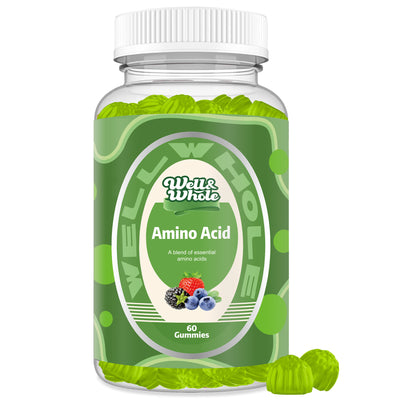
Furthermore, if your digestive tract is sluggish, your overall bioavailability and absorption rate drops. While optimizing food intake is non-negotiable, it is easy to see why clean supplementation with premium nutrients or highly absorbable essential amino acid EAA liquid formulas becomes a necessary tool for full-body recovery and cellular energy.
The Supplement Decoder: Choosing the Right Type for Your Body

Walking down the supplement aisle can feel overwhelming. When you are looking for what is magnesium's best form for your specific needs, you will quickly notice that it is always bound to another molecule. These different combinations change how the essential mineral behaves in your system, meaning the right choice depends entirely on your personal health goals.
The Concept of Bioavailability
Not all supplements are created equal. Bioavailability and absorption dictate how much of the mineral actually makes it into your bloodstream versus how much passes right through you. Cheaper forms, like magnesium oxide, have notoriously low absorption rates and often cause digestive upset. To get the most out of your routine and support overall cellular health, choosing highly bioavailable forms is crucial.
The Comprehensive Magnesium Matrix
To find the perfect match for your body, it helps to understand the distinct benefits of the most popular forms available today:
- Magnesium Glycinate: Bound to the amino acid glycine, this form offers maximum bioavailability and absorption without causing a laxative effect. It is the go-to choice for nervous system support, calming chronic stress and cortisol, and improving sleep quality.
- Magnesium Citrate: Bound to citric acid, this highly absorbable form is excellent for systemic replenishment. It draws water into the intestines, making it highly effective for occasional constipation.
- L-Threonate for Brain Health: This specialized form is unique because it easily crosses the blood-brain barrier. It is widely used to enhance cognitive function, focus, and memory.
- Epsom Salt (Magnesium Sulfate): Best utilized externally in warm baths to soothe sore muscles, ease muscle cramps and spasms, and accelerate physical recovery.
| Magnesium Type | Primary Benefit | Absorption Level | Best For |
|---|---|---|---|
| Glycinate | Calm & Sleep | High | Stress, Muscle Relaxation |
| Citrate | Digestion & Hydration | High | Occasional Constipation |
| L-Threonate | Brain Power | Maximum (Brain) | Memory, Mental Clarity |
| Sulfate | Muscle Soothing | Muscle Absorption | Bath Soaks, Recovery |
Smart Supplementation: Timing, Dosage, and Safety Protocols
Taking a magnesium supplement is only half the battle; maximizing its benefits requires a strategic approach to timing and dosage. To keep your routine simple and effective, split your doses if you take more than 200 mg at a time. This keeps your digestive system happy and ensures steady absorption. While plant-based diets or nutrient-dense options like our essential amino acids supplement keep your body fueled, targeting your magnesium intake unlocks true systemic balance.
Optimal Timing Strategies
- Morning Routine: Take magnesium malate or citrate with breakfast to kickstart cellular energy and support muscle function throughout the day.
- Evening Routine: Take magnesium glycinate or L-threonate roughly 30 to 60 minutes before bed to calm the nervous system and improve sleep quality.
- Post-Workout: Consume magnesium after intense training to jumpstart recovery and prevent muscle cramps and spasms.
Managing the Upper Limit
The Recommended Dietary Allowance (RDA) for adults generally hovers between 310 mg and 420 mg daily, depending on age and biological sex. However, the tolerable upper intake level for supplemental magnesium is 350 mg for adults. Exceeding this limit from supplements alone can trigger loose stools, nausea, or abdominal cramping. Always audit your total daily intake from both food sources and supplements to stay within the safe zone.
Critical Drug Interactions to Know
Magnesium can bind to certain medications, drastically reducing their effectiveness. Check this quick reference table to safely space out your doses:
| Medication Type | Interaction Effect | Safe Protocol |
|---|---|---|
| Antibiotics (Tetracyclines/Fluoroquinolones) | Magnesium blocks absorption | Take antibiotic 2 hours before or 6 hours after magnesium |
| Osteoporosis Drugs (Bisphosphonates) | Decreases drug efficacy | Separate doses by at least 2 hours |
| Blood Pressure Meds (Calcium Channel Blockers) | May cause an unsafe drop in blood pressure | Monitor closely and consult your healthcare provider |
| Diuretics | Can either waste or retain magnesium | Requires regular electrolyte monitoring |
Who Should Exercise Caution?
While magnesium is an essential mineral for daily vitality, specific individuals must consult a physician before starting a regimen. Individuals with severe kidney disease or renal insufficiency cannot clear excess magnesium efficiently, raising the risk of toxicity. Additionally, anyone diagnosed with heart blocks or neuromuscular disorders like myasthenia gravis must approach supplementation with extreme care, as magnesium directly impacts nerve and muscle signaling.
Related supplements
If you're ready to put this into practice, our Magnesium Bisglycinate Gummies with Apigenin & B6, Melatonin Free, 60 Ct | Gentle on Stomach, Chelated with Glycine, Night Calm Routine and Sleep & Calm Support Bundle are formulated with this in mind. You can also compare the Sleep Support and Magnesium ranges to find the format that suits you.
These statements have not been evaluated by the Food and Drug Administration. This product is not intended to diagnose, treat, cure, or prevent any disease.