What Is L-Lysine and How Does It Work?

Your body is a master architect, constantly repairing tissues, producing enzymes, and fortifying its defenses. Yet, one of its essential building blocks—an amino acid called L-lysine—often goes unnoticed until a deficiency makes itself known. If you’ve ever dealt with a stubborn cold sore, felt your energy dip for no clear reason, or struggled to maintain healthy skin despite a solid routine, the puzzle might be missing this single nutrient. Let’s explore what makes L-lysine supplements a quiet cornerstone for total-body wellness, and how choosing the right formula can make all the difference.
What Is L-Lysine and How Does It Work?
L-lysine is an essential amino acid, meaning your body cannot produce it on its own. It must arrive through food—think poultry, fish, eggs, and legumes—or through targeted supplementation. Inside the body, lysine does far more than just fill a nutritional gap. It serves as a raw material for carnitine, a compound that converts fatty acids into energy. It also helps shape collagen, the structural protein responsible for firm skin, strong tendons, and resilient blood vessels. Without enough L-lysine, these systems can sputter. Modern diets, especially those low in animal products or high in processed foods, often underdeliver. Stress and aging further escalate the demand. When dietary sources fall short, a consistent supplement can bridge the divide quietly but powerfully.
In short, L-lysine is not simply another amino acid—it’s a foundational nutrient that supports energy metabolism and structural repair from the inside out.
Key Health Benefits Backed by Science
Immune Resilience and Cold Sore Relief
Perhaps the most recognized benefit of lysine lies in its ability to manage the herpes simplex virus, which triggers cold sores. The amino acid works by competing with another amino acid, arginine, which the virus needs to replicate. By maintaining a higher lysine-to-arginine ratio, many people experience fewer outbreaks and faster healing. A daily L-lysine for cold sores benefits regimen has become a go-to for those who feel that telltale tingle. Studies suggest that doses ranging from 1,000 mg to 3,000 mg per day, when used at the earliest sign of an outbreak, can reduce severity and duration. It’s not a cure, but a remarkably consistent shield.
Bone Health and Calcium Balance
Lysine plays a behind-the-scenes role in how your body handles calcium. It enhances intestinal absorption and reduces the amount of calcium flushed out through urine. This dual action helps preserve bone mineral density, making it a worthwhile consideration alongside vitamin D and magnesium for long-term skeletal strength. Women in postmenopausal years, in particular, may benefit from this protective mechanism. When you think of building bones, think beyond calcium alone—lysine helps put that calcium to work.
Collagen Formation and Skin Vitality
Collagen without lysine is like a brick wall without mortar. Lysine participates directly in cross-linking collagen fibers, giving skin its pliability and wound-healing capacity. As we age, collagen production naturally declines, and ensuring ample lysine can help slow the visible signs of this process. Users often report firmer-looking skin and stronger nails when a high-quality supplement is added to their daily stack. It’s a subtle shift, not an overnight transformation, but consistency yields visible results.
Emotional Calm and Stress Adaptation
An emerging body of research points toward lysine’s role in moderating anxiety and the body’s stress response. Some clinical trials have found that L-lysine supplementation, often in tandem with L-arginine, can lower cortisol levels and reduce feelings of mental tension. While not a replacement for therapeutic interventions, it can serve as a gentle, nutritional nudge toward a calmer baseline—especially during periods of prolonged pressure. For those searching for a natural L-lysine amino acid supplement dosage that supports mental well-being, a daily intake around 2–3 grams is frequently cited in studies.
The common theme across these benefits is reliability—lysine does not promise instant miracles, but it provides the raw materials your body needs to perform at its best under stress, age, and imperfection.
Choosing the Right Supplement: What to Look For
Not all L-lysine products are created equal. When evaluating options, purity should be your first filter. Look for a formula that delivers free-form L-lysine hydrochloride, the most bioavailable form, without unnecessary fillers, artificial colors, or hydrogenated oils. The best L-lysine supplement for immune support will clearly state the active dosage per serving—typically 500 mg or 1,000 mg—and undergo third-party testing for potency and contaminants.
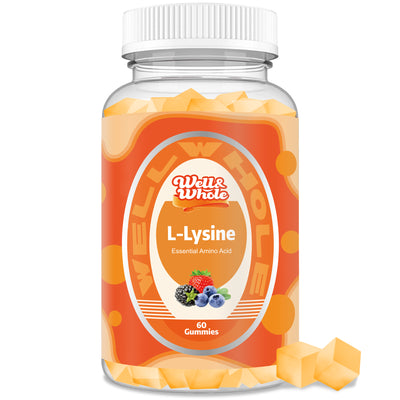
This is where well&whole enters the conversation as a name you can lean on. As a wellness-focused company rooted in premium supplement trade, well&whole sources ingredients with a strict eye on purity and consistency. Every batch of their L-lysine is verified to deliver exactly what the label claims, free from the ambiguity that plagues lower-tier offerings. Whether you are a first-time user or a seasoned supplement enthusiast, opting for a transparent brand transforms a simple purchase into a genuine health investment. The peace of mind that comes from knowing your daily nutrient does not come with hidden surprises is, frankly, invaluable.
Choosing a supplement is a decision about long-term trust. Prioritizing quality assurance and clean formulation ensures that the benefits you read about actually show up in your daily life.
Making L-Lysine Work in Your Routine
Adding an L-lysine supplement to your day is refreshingly simple. Most people take it on an empty stomach with a glass of water, either first thing in the morning or between meals, to maximize absorption. If you find that it causes mild stomach sensitivity, pairing it with a light snack resolves the issue without blunting effectiveness.
For targeted cold sore support, experienced users often keep a bottle on hand and increase their intake at the first feeling of tingling or itching. For general wellness, a maintenance dose of 1,000 mg per day is standard. Athletes or those dealing with high physical stress sometimes push toward 2,000 mg, but it’s always wise to consult a healthcare practitioner before adjusting upward.
It also pairs well with other nutrients. Lysine complements vitamin C in collagen synthesis, making them a synergistic duo for skin health. Zinc and lysine together offer robust immune coverage, especially during winter months. The key is consistency—sporadic use rarely yields lasting results. Think of it as a daily deposit into your body’s structural bank account.
Routine is the bridge between knowledge and results. Small, consistent actions with a quality supplement can quietly reshape how you feel and recover over time.
Frequently Asked Questions
Q: Is it safe to take L-lysine every day long-term? A: For most healthy adults, daily L-lysine supplementation within the range of 1,000–3,000 mg is considered safe and well-tolerated. Minor side effects like stomach upset can occur at very high doses, but these are rare. As with any supplement, checking with your doctor is recommended if you have underlying kidney or liver conditions.
Q: Can L-lysine help reduce anxiety or improve mood? A: Several studies indicate that L-lysine can have a calming effect by modulating stress hormones and acting on certain neurotransmitter pathways. It is not a standalone treatment for clinical anxiety, but it can be a supportive piece of a broader stress-management plan that includes diet, sleep, and mindfulness practices.
Q: How quickly does L-lysine work for cold sores? A: When taken at the prodromal stage—when you feel the initial tingle or warmth before a blister appears—many individuals report that lysine significantly shortens the outbreak or stops it entirely. A typical approach uses 1,000 mg three times daily during active symptoms, then a lower maintenance dose once the skin heals. Individual response times vary, but results are often noticeable within 24–48 hours.
These statements have not been evaluated by the Food and Drug Administration. This product is not intended to diagnose, treat, cure, or prevent any disease.