What does the body do with excess amino acids

How Does Your Body Handle Excess Amino Acids?
Amino acids play a critical role in maintaining our body's functionality, serving as building blocks for proteins that support cellular repair, enzyme production, and immune health. However, understanding what happens to surplus amino acids in the body is key to ensuring optimal health. In this article, we’ll delve into the mechanisms involved when your body has more amino acids than it needs, offering actionable insights to help you maintain a balanced nutritional intake.
Key Takeaways
- Amino acids are the building blocks of protein, used for normal muscle, enzyme, and neurotransmitter synthesis.
- Essential ones must come from diet or supplements; others the body can make.
- Follow label servings and consult a professional if you have a medical condition.
Surplus Amino Acids: Not As Straightforward As You Think
When your protein intake exceeds your body's requirements, those extra amino acids don't get stored like fats or carbohydrates. Instead, they undergo complex metabolic processes. Here’s what happens:
-
Deamination: Breaking Down Excess Amino Acids The liver plays a primary role in processing amino acids. Surplus amino acids are subjected to deamination, a process where the amino group is removed. This amino group, composed of nitrogen, is converted typically into ammonia and subsequently transformed into urea through the urea cycle. The urea is then safely excreted via urine.
The carbon skeleton left from the deamination process is repurposed based on your body’s immediate energy needs. It can either:
- Be used as an energy source through oxidation.
- Be converted into fat and stored.
- Be turned into glucose via gluconeogenesis.
This intricate biological system ensures that excess amino acids don’t accumulate or disrupt physiological processes.
-
Energy Production Excess amino acids can serve as fuel. When carbohydrate or fat reserves are low — such as during fasting or caloric restriction — the body utilizes these carbon skeletons to generate ATP, the molecule that powers cellular activity. However, frequent reliance on amino acids for energy can lead to muscle degradation, a state that might compromise your long-term health. Maintaining balanced protein intake is critical.
-
Conversion to Fat Though less common, when excess amino acids are not needed for immediate energy, they can contribute to fat storage under conditions of caloric surplus. Excessive consumption over time can lead to weight gain, which contradicts the health goals of many.
Are Too Many Amino Acids Harmful?
While amino acids are vital to overall health, consuming them in excess could pose challenges:
- Burden on the Kidneys: The increased demand on the kidneys to excrete urea can lead to unnecessary stress, particularly in individuals with pre-existing kidney conditions.
- Imbalances: Sustained excess can trigger amino acid imbalances, potentially interfering with metabolic functions.
- Potential for Fat Gain: As noted earlier, surplus amino acids can transform into fat under caloric surpluses, complicating weight management.
Supporting Supplemental Choices
Choosing high-quality protein supplements plays an important role in maintaining amino acid balance. well&whole offers a range of carefully curated supplements designed to support your nutritional needs without inadvertently overloading your system. Our products ensure well-balanced amino acid profiles, helping you optimize energy production, muscle repair, and immune health while minimizing the risk of excess consumption.
Actionable Insights for Better Management
-
Monitor Your Protein Intake:
The recommended dietary allowance (RDA) for protein is approximately 0.8 grams per kilogram of body weight for most adults. Athletes and active individuals might require more. Understanding your specific needs can prevent both deficiency and overload. -
Choose Quality Over Quantity:
Focus on lean protein sources like chicken, fish, and eggs, or opt for balanced supplements like well&whole’s blend, which optimizes amino acid delivery while avoiding excess consumption. -
Hydrate Adequately:
Proper hydration aids in the excretion of urea, reducing kidney stress. Ensure that your daily water intake aligns with recommended levels. -
Consider Timing:
Distribute protein intake evenly throughout the day rather than consuming large amounts in a single meal. This helps your body utilize amino acids effectively while reducing surplus risks. -
Seek Professional Guidance:
Consult a healthcare professional for personalized advice if you suspect you're consuming excess protein or experiencing symptoms associated with it. Nutritionists can tailor dietary strategies to fit your lifestyle and health goals.
A Healthier You, Backed By Science
Understanding how your body processes amino acids empowers you to make smarter nutritional choices. By keeping your intake balanced and leveraging high-quality supplements like those offered by well&whole, you set the foundation for sustainable health. Avoiding excessive protein consumption not only supports bodily functions but also minimizes the risk of long-term health challenges.
Looking for ways to amplify your vitality? Choose well&whole products to balance your nutritional needs with premium, results-driven solutions tailored for modern health. Take control of your wellness journey today!
Related supplements
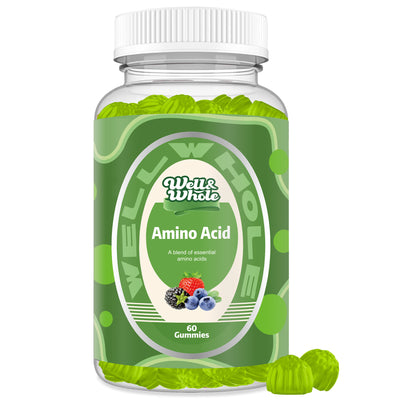
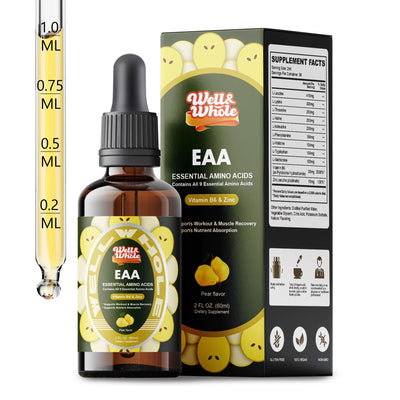
Where to begin? Our EAA Gummie 60 counts Essential Amino Acids Supplement Gummies for Men and Women and Essential Amino Acid (EAA) Liquid Drops & Liver Support Liquid Supplement are a sensible place to start, and the Amino Acids collection lays out the other formats side by side with Muscle Support.
Why amino acids matter
Amino acids build proteins that support normal muscle tissue, enzymes, and signaling molecules. The nine essentials must be obtained from food or supplements.
Active adults and older adults often pay attention to intake to support normal protein synthesis.
How amino supplements are commonly used
Powders, capsules, and liquids are taken around training or distributed through the day. Consistency within labeled servings is key.
Pairing with a protein-adequate diet maximizes benefit.
Who might be interested
Active adults, older adults, and plant-based eaters watching protein quality often use amino supplements.
Those with kidney or metabolic conditions should consult a healthcare professional.
How to choose a quality product
Verify the specific amino acid and amount per serving, third-party testing, and clean sourcing.
This article is for general wellness education and is not intended to diagnose, treat, cure, or prevent any condition. Individual needs vary—always review product labels and consult a qualified healthcare professional before starting any new supplement.
These statements have not been evaluated by the Food and Drug Administration. This product is not intended to diagnose, treat, cure, or prevent any disease.