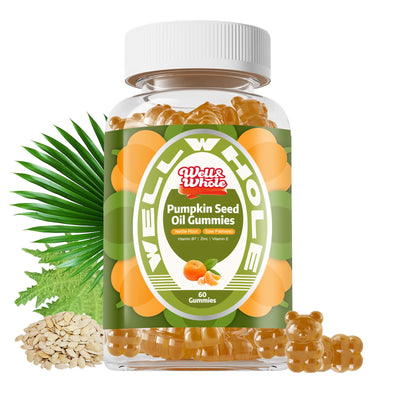
What Does Pumpkin Seed Oil Do For Hair Growth?

What Does Pumpkin Seed Oil Do For Hair Growth?
As more people look for gentle, natural ways to support thinning hair, pumpkin seed oil for hair growth has quietly become a favorite among health-conscious shoppers. Instead of relying only on harsh topical treatments, many are turning to nutrient-dense oils that work from the inside out. For a nutrition-focused brand like well&whole, pumpkin seed oil fits perfectly into a broader approach to scalp and hair wellness.
Below, we’ll explore how pumpkin seed oil may support hair growth, what the science suggests, and how to use it safely as part of a long-term hair care routine.
How Pumpkin Seed Oil May Support Hair Growth
Pumpkin seed oil is rich in plant compounds and healthy fats that appear to support hair health in several ways. While research is still developing, several mechanisms stand out.
First, pumpkin seed oil contains phytosterols, naturally occurring plant sterols that may help balance certain hormones linked to pattern hair loss. Male and female pattern thinning often involves a hormone called DHT (dihydrotestosterone). Some small human studies suggest that pumpkin seed oil can gently inhibit the conversion of testosterone into DHT, which is one reason it is often discussed alongside natural DHT blockers for hair growth.
Second, the oil delivers essential fatty acids like omega-6 (linoleic acid) and omega-9 (oleic acid). These fats help maintain the integrity of cell membranes, including those in your scalp. A better-nourished scalp can create a healthier environment for follicles, supporting hair growth for thinning hair over time.
Third, pumpkin seed oil supplies vitamin E and other antioxidants. Oxidative stress is known to affect hair follicles, and antioxidant-rich foods can play a supportive role in overall hair wellness. By helping to counter daily oxidative damage, pumpkin seed oil may indirectly protect the hair growth cycle.
In short, pumpkin seed oil does not act like an overnight miracle. Instead, it appears to offer multiple small advantages that, together with a healthy lifestyle, may support stronger, fuller-looking hair. When people talk about pumpkin seed oil benefits for hair growth, they are usually referring to this combination of hormone support, scalp nourishment, and antioxidant protection.
What Current Research Says About Pumpkin Seed Oil and Hair
The interest in pumpkin seed oil for hair growth is not only based on tradition; it also has some early scientific support.
One notable clinical study followed men with mild to moderate hair loss who took a pumpkin seed oil supplement daily for several months. Compared with a placebo group, those taking the oil experienced a significantly higher increase in hair count. While this was a small trial and focused on men, the results have encouraged further investigation into pumpkin seed oil for male pattern baldness.
Researchers believe that the mechanism has a lot to do with the inhibition of 5-alpha-reductase, the enzyme that converts testosterone into DHT in the scalp. Because DHT is strongly associated with follicle miniaturization and thinning hair, any safe, gentle way to reduce its local impact is of interest in the natural treatments for hair thinning space.
Of course, the evidence is not complete. Most studies:
- Involve relatively small groups
- Focus mostly on men
- Use specific doses and standardized products
That means individual results will vary. Pumpkin seed oil should be thought of as one supportive tool rather than a guaranteed solution. Still, for consumers looking for a more natural option with a favorable safety profile, this emerging research is promising and aligns with a whole-body approach to wellness.
In the context of daily routines, many users report gradually thicker-looking hair, fewer shed hairs in the shower, and improved scalp comfort after several months of consistent use, especially when pumpkin seed oil is combined with other hair-friendly nutrients and good lifestyle habits.
Summary: Early research supports the idea that pumpkin seed oil can positively influence hair density and hair count, particularly via hormone and scalp-related pathways, making it a meaningful addition to natural hair growth strategies and other long-tail approaches like “pumpkin seed oil supplements for hair growth,” “natural DHT blockers for thinning hair,” and “nutritional support for male pattern hair loss.”
Key Nutrients in Pumpkin Seed Oil That Matter for Hair
The benefits of pumpkin seed oil trace back to its nutrient profile. Understanding what is in the oil helps explain why it appears in so many hair growth supplement formulas.
Some of the standout components include:
- Phytosterols: These plant sterols can compete with cholesterol in the body and may modulate hormones relevant to the hair growth cycle.
- Essential fatty acids: The mix of omega-6 and omega-9 helps maintain scalp barrier function and provides flexible, resilient cell membranes in hair follicles.
- Vitamin E and antioxidants: These support circulation and help protect cells from oxidative stress that can impact hair health.
- Trace minerals (from the original seeds): While the cold-pressed oil contains fewer minerals than whole seeds, quality products may still carry small amounts of beneficial trace elements.
From a practical standpoint, the presence of these compounds makes pumpkin seed oil a multi-target ingredient. It does not just work through one pathway; it contributes to hormone balance, scalp conditioning, and antioxidant defense, all of which matter for long-term hair vitality.
For a health-focused trading company like well&whole, this broad nutritional profile is part of what makes pumpkin seed oil so attractive. It fits well in formulations aimed at customers who prefer food-derived, minimally processed ingredients in their quest for stronger, fuller-looking hair.
Summary: The naturally occurring phytosterols, essential fatty acids, and antioxidants found in pumpkin seed oil help explain its popularity in “nutrient-rich hair growth supplements,” “natural remedies for hair thinning,” and “scalp support formulas with pumpkin seed oil.”
How to Use Pumpkin Seed Oil for Hair Growth Safely
To get the most from pumpkin seed oil, consistency and realistic expectations are crucial. There are two main ways people use it: oral supplementation and topical application.
-
Oral supplementation
Many clinical protocols use softgels or capsules taken once or twice per day. Typical amounts often range around a few hundred milligrams to several grams daily, depending on the product. It’s wise to follow product directions and speak with a healthcare professional, especially if you have hormone-sensitive conditions, take medications, or are pregnant or breastfeeding. -
Topical use on the scalp
Some people gently massage pumpkin seed oil into the scalp, either on its own or blended with carrier oils and essential oils that support circulation. A common approach is to leave the oil in for 20–60 minutes before shampooing, one to three times per week. This can help with scalp comfort, dryness, and the appearance of hair, though most of the clinical research so far focuses on oral use. -
Combining with other nutrients
Pumpkin seed oil often works best as part of a complete hair wellness plan. Pairing it with nutrients such as biotin, zinc, vitamin D, or saw palmetto (where appropriate) may provide a more comprehensive approach to hair loss prevention and regrowth. Lifestyle factors—sleep, stress management, and a balanced diet—remain essential.
In terms of safety, pumpkin seed oil is generally well tolerated when used in moderate amounts as a dietary supplement. Mild digestive discomfort is the most common complaint. Allergic reactions are rare but possible in people sensitive to pumpkin or seeds.
Summary: Safe and effective use of pumpkin seed oil for hair growth depends on consistent use, appropriate dosing, and integration into a broader routine, making it a natural fit in “daily hair growth supplement routines,” “holistic approaches to hair loss,” and “pumpkin seed oil capsules for thinning hair.”
Why Brands Like well&whole Use Pumpkin Seed Oil in Hair Formulas
For companies focused on long-term wellness rather than quick fixes, pumpkin seed oil has several advantages.
First, it aligns with consumer demand for natural, evidence-informed ingredients. Customers want products that are rooted in nutritional science, not just marketing claims. The existing research on pumpkin seed oil—while not definitive—provides a reasonable scientific foundation, especially when combined with traditional use and modern clinical observation.
Second, pumpkin seed oil offers formulation flexibility. It can be:
- Encapsulated as a standalone supplement
- Combined with other hair-supportive oils and nutrients
- Included in premium blends targeting both men and women with thinning hair
For well&whole, this means we can help partners and clients build product lines that meet the needs of different demographics—those concerned about early-stage shedding, those dealing with pattern hair loss, and those simply wanting to maintain strong, healthy hair as they age.
Finally, pumpkin seed oil fits into a holistic view of health. Hair growth is rarely just a cosmetic issue; it often reflects internal factors like stress, nutritional status, hormones, and circulation. By focusing on ingredients like pumpkin seed oil that support the body from the inside, brands aim to offer more than a surface-level solution.
Summary: Pumpkin seed oil aligns with the well&whole approach to high-quality, natural ingredients in “premium hair growth supplements,” “plant-based formulas for hair health,” and “nutritional support products for thinning hair.”
Frequently Asked Questions
1. How long does it take to see results from pumpkin seed oil for hair growth?
Most people who notice benefits report changes after 3–6 months of consistent use. Hair grows slowly, and the growth cycle takes time to respond. Pumpkin seed oil works best as a long-term addition to an overall hair wellness plan rather than a quick fix.
2. Can women use pumpkin seed oil for hair thinning?
Yes. While some studies have focused on men, women can also use pumpkin seed oil as part of their hair care routine. Because hormonal patterns differ, it is wise for women—especially those who are pregnant, breastfeeding, or managing hormone-sensitive conditions—to consult a healthcare professional before starting any hair growth supplements.
3. Is pumpkin seed oil enough on its own to stop hair loss?
Pumpkin seed oil can be a helpful support, but it is rarely the only answer. Hair loss often has multiple causes, including genetics, hormones, stress, and nutrient gaps. For best results, people usually combine pumpkin seed oil with a balanced diet, stress management, and other targeted nutrients or treatments as recommended by a professional.
These statements have not been evaluated by the Food and Drug Administration. This product is not intended to diagnose, treat, cure, or prevent any disease.