What Does Lysine Do for Your Health Benefits and Sources
Learn what lysine does for your health including benefits for cold sores anxiety bone health collagen and daily lysine food sources

What Is Lysine?
If you’re dealing with cold sores, low energy, or stubborn stress, understanding what lysine does for your health is a smart place to start.
Lysine Definition and Essential Role
Lysine is an essential amino acid—a basic building block of protein that your body needs but cannot make on its own. That means:
- You must get lysine from food or a l-lysine supplement
- Without enough lysine, your body struggles with:
- Tissue repair
- Immune support
- Collagen production
- Overall protein synthesis
Chemically, lysine is a basic, nitrogen-rich amino acid that plays a central role in how your body builds and repairs itself every day.
Lysine and Carnitine for Fat Metabolism
One of the most underrated lysine benefits is its role in making carnitine, a compound your body uses to:
- Move fatty acids into cells to be burned for energy
- Support fat metabolism and healthy energy levels
- Help muscles recover and perform better under stress
If lysine is low, carnitine production drops, and that can affect how efficiently your body uses fat for fuel.
Why L-Lysine Is the Form You Want
When you see lysine for cold sores, lysine anxiety reduction, or lysine for herpes on a label, you’re almost always looking at L-lysine. Here’s why this matters:
-
L-lysine is the bioactive form your body naturally uses in:
- Muscle protein
- Enzymes
- Hormones
- It’s the form proven in research to:
- Support immune health
- Promote wound healing
- Support bone health through better lysine calcium absorption
As a supplement maker, I only work with pure L-lysine, because that’s the form your body actually recognizes and puts to work—no wasted capsules, no guesswork, just clean, effective support for daily wellness.
The Many Ways Lysine Supports Your Health
Lysine for cold sores and herpes support
Lysine helps block arginine, an amino acid that the herpes virus (including HSV-1 that causes cold sores) loves to use to multiply. When I keep lysine higher and arginine lower, I usually notice:
- Fewer cold sore outbreaks
- Shorter healing time when a cold sore does show up
That’s why L-lysine supplements and lysine-rich foods are popular for cold sores and herpes support in the U.S.
Lysine for anxiety reduction and stress relief
Lysine may help reduce anxiety and stress by:
- Helping lower cortisol, the body’s main stress hormone
- Supporting a calmer response to daily pressure
Some people feel more mentally steady when they get enough lysine through diet or an L-lysine supplement, especially during high-stress weeks.
Lysine, calcium absorption, and bone health
Lysine plays a role in calcium absorption and retention, which matters a lot for bone health:
- Helps your body absorb calcium from food and supplements
- Supports keeping calcium inside bones, not just floating in the blood
That’s especially useful for women over 40, older adults, and athletes focused on long-term bone strength.
Lysine, collagen production, and wound healing
Your body needs lysine for collagen production, which keeps:
- Skin, tendons, and ligaments strong
- Wounds and injuries healing more efficiently
Because of this, steady lysine intake can support faster wound healing and better overall skin structure.
Lysine, blood pressure, and blood sugar support
Lysine may also help with cardiometabolic health:
- Supports healthy blood pressure regulation when combined with an overall smart lifestyle
- May help with blood-sugar control by working alongside other amino acids and nutrients
I look at lysine as a quiet multitasker: it supports cold sore defense, stress relief, bone health, collagen, and circulation with one simple habit—getting enough every day.
Natural Food Sources of Lysine and Daily Needs
Top lysine-rich foods (animal & plant)
If you eat a typical U.S. diet, you’re probably getting a decent amount of lysine without trying, especially from animal protein. Here are some of the best lysine food sources:
Animal proteins (highest lysine per serving)
These are the most efficient way to hit your lysine daily needs:
- Chicken breast (baked/grilled)
- Turkey
- Beef (lean cuts)
- Pork (tenderloin, chops)
- Fish – salmon, tuna, cod, halibut
- Eggs
- Dairy – Greek yogurt, cottage cheese, milk, cheese (Parmesan and cheddar are especially high)
If you eat animal products, getting enough lysine for bone health, collagen production, and muscle recovery is usually easy with 1–2 servings of high-quality protein at each meal.
Plant-based lysine sources
Lysine is tougher but very doable on a plant-based diet. Focus on:
-
Legumes:
- Lentils
- Black beans
- Chickpeas
- Kidney beans
- Soybeans, edamame
-
Soy products:
- Tofu
- Tempeh
- Soy milk (fortified options are common in U.S. grocery stores)
-
Pseudograins & seeds:
- Quinoa
- Amaranth
- Pumpkin seeds
- Pistachios
Grains like wheat, rice, and corn are naturally low in lysine, so you want to pair grains with beans, lentils, or soy to balance things out.
Easy meal swaps to boost lysine intake
You don’t have to overhaul your diet. Simple lysine-rich meal swaps can bump your intake fast:
Breakfast
- Swap cereal + juice → Greek yogurt with berries and a handful of pumpkin seeds
- Swap plain toast → Egg sandwich (egg + cheese) or tofu scramble on whole-grain toast
- Drink soy milk instead of almond or oat milk (soy has way more lysine)
Lunch
- Swap a veggie-only salad → Add grilled chicken, salmon, tuna, or tofu
- Swap plain pasta → Lentil pasta or add ground turkey, beans, or tempeh to your sauce
- Swap chips → Side of edamame, hummus with whole-grain pita, or Greek yogurt cup
Dinner
- Swap carb-heavy meals (just pasta, rice, or bread) →
- Chicken stir-fry with veggies
- Beef or tofu chili with beans
- Baked salmon with quinoa and broccoli
- Add beans or lentils to soups, stews, and tacos to upgrade lysine and fiber
Snacks
- Cottage cheese, Greek yogurt, string cheese
- Roasted chickpeas, edamame, trail mix with pistachios
- Protein shakes with whey or soy protein powder
These swaps help cover lysine benefits for muscle, immunity, and lysine for stress relief and recovery without needing an L-lysine supplement for most people.
How much lysine per day? (By age & body size)
There’s no official “RDA” just for lysine in the U.S., but research often uses about 30 mg of lysine per kilogram of body weight per day as a target from food.
Practical daily lysine intake targets from food (approximate):
- Kids 4–8 years: ~1,000–1,500 mg/day
- Tweens/teens: ~1,500–2,500 mg/day
- Adults: about 1,800–3,000 mg/day, depending on size and activity
- Larger/very active adults: often on the higher end, 2,500–3,500 mg/day
Roughly, if you’re eating:
-
2–3 servings of high-protein foods per day (meat, fish, eggs, dairy, tofu, or legumes),
you’re likely covering your lysine daily needs for normal health.
Tips for vegans, athletes, and older adults
Vegans / Plant-based eaters
You can absolutely meet your lysine needs without animal products, but you have to be more intentional:
- Build every meal around a lysine-rich protein:
- Tofu, tempeh, edamame
- Lentils, black beans, chickpeas
- Soy milk, soy yogurt
- Use combos that work well in a U.S. lifestyle:
- Rice + beans
- Hummus + whole-grain pita
- Quinoa + black beans bowls
- Consider tracking protein for a week with an app to confirm you’re getting enough lysine and total protein if you’re new to vegan eating.
Athletes and active people
You burn through more amino acids with intense training, so lysine for muscle repair and recovery matters:
- Aim for 20–30 g of protein per meal, from:
- Lean meats, eggs, dairy
- Whey or soy protein powder
- High-protein plant meals (tofu, tempeh, lentils, black beans)
- Use Greek yogurt, protein shakes, or cottage cheese as easy post-workout snacks to boost lysine intake and support recovery.
Most athletes don’t need a dedicated lysine supplement if total protein is on point.
Older adults
As you age, you need more high-quality protein to maintain muscle and bone:
- Build each meal around protein first, especially breakfast
- Use soft, easy-to-chew lysine foods if appetite or dental issues are a thing:
- Greek yogurt, cottage cheese
- Scrambled eggs
- Soups with lentils or shredded chicken
- Smoothies with whey or soy protein
- Target 20–30 g of protein per meal to support muscle, strength, and lysine for bone health and collagen.
If appetite is low, small but frequent lysine-rich snacks can help fill the gap.
Bottom line: focus on lysine-rich foods at each meal—animal proteins or smart plant combos—and most people in the U.S. can easily meet their daily lysine needs without overthinking it.
L-lysine supplement: when it actually makes sense
For most people in the U.S. who eat enough protein, food covers basic lysine needs. An L-lysine supplement starts to make sense when:
- You get frequent cold sores (herpes simplex)
- You’re under-eating protein (busy lifestyle, dieting, illness)
- You’re vegan or mostly plant-based and don’t plan meals tightly
- You’re an athlete with higher amino acid needs
- You’re recovering from injury, surgery, or wounds and want extra support for collagen production and healing
Always loop in your doctor if you have medical issues or take daily meds.
Lysine dosage: capsules, powder, and creams
Typical lysine dosage ranges used in the U.S. for adults:
-
General support / diet gap:
- 500–1,000 mg L-lysine once or twice daily with food
-
Lysine for cold sores / herpes support (short-term use):
- 1,000 mg, 2–3 times per day at the first tingle, then taper as things calm down
-
Powder:
- Same total dose as capsules, just measured by scoop (check label)
-
Creams / lip balms for cold sores:
- Use topically on the area as directed, usually several times a day
Stay under 3,000 mg (3 g) per day long term unless a professional tells you otherwise.
How to choose and store quality lysine supplements
When I build or pick a lysine supplement, I focus on:
How to choose:
- Look for pure L-lysine (L-lysine HCl) with no junk fillers
- Choose brands that use third-party testing (NSF, USP, Informed Choice)
- Check for clear dosing, allergen-free labels, and made in a GMP-certified facility
- For vegans, confirm vegan capsules and no animal-derived ingredients
How to store:
- Keep capsules and powders cool, dry, and out of direct sunlight
- Close lids tightly; avoid storing in steamy bathrooms or hot cars
- For creams: follow label directions and don’t use past expiration
Used smartly, lysine benefits from supplements can plug real gaps—especially for cold sores, wound healing, and stress-heavy lifestyles—without complicating your routine.
Lysine Side Effects, Risks, and Who Should Be Cautious

Most people tolerate lysine and L-lysine supplements well, but there are real limits you shouldn’t push past.
Common Lysine Side Effects
Taking too much lysine (especially over 3,000 mg/day long term) can trigger:
-
Stomach issues:
- Nausea
- Cramps
- Bloating
- Diarrhea
- Headache or fatigue in some people
- Very rarely: allergic reactions (rash, itching, swelling)
If you feel off after starting an L-lysine supplement, dial the dose down or pause and see how you feel.
Lysine, Calcium, and Arginine Interactions
Lysine doesn’t act alone in your body:
-
Lysine and calcium absorption
- Lysine can boost calcium absorption and retention, which is good for bone health.
- High-dose lysine plus high-dose calcium (especially from supplements) may raise the risk of calcium buildup in people with kidney problems. Don’t stack big doses without talking to a doctor.
-
Lysine and arginine balance
- Lysine and arginine compete in the body.
- More lysine can lower arginine’s activity, which is why people use lysine for cold sores and herpes support.
- If you’re taking high-dose arginine (for pumps, pre-workout, blood flow), large lysine doses might blunt some of those effects.
Who Should Be Cautious With Lysine?
I’m a big fan of smart supplementation, but some groups need extra care with lysine dosage:
-
Pregnant or breastfeeding women
- Normal lysine food sources (meat, dairy, beans) are safe and necessary.
- High-dose L-lysine supplements for cold sores or anxiety? That’s a talk for you and your OB. Stick to food unless your doctor approves a specific dose.
-
Kids and teens
- Lysine from food is great for growth and collagen production.
- Avoid random high-dose supplements unless a pediatrician recommends them for a specific reason (like frequent cold sores).
-
People with kidney disease or kidney history
- Lysine is processed through the kidneys.
- High-dose L-lysine plus high calcium could increase strain on weak kidneys.
- If you have any kidney issues, only use lysine supplements under medical supervision.
If you’re healthy, staying in a moderate daily range and focusing on lysine-rich foods keeps the lysine benefits while keeping lysine side effects low. When in doubt, run your supplement stack by your doctor or pharmacist—especially if you’re also taking calcium, arginine, or prescription meds.
Best practices for daily wellness with lysine
Simple daily routines & meal ideas
If I want lysine benefits all day, I build it into my routine instead of overthinking it:
-
Breakfast:
- Greek yogurt with berries and a sprinkle of nuts
- Or scrambled eggs with whole-grain toast
-
Lunch:
- Turkey or chicken sandwich
- Or black bean + quinoa bowl with veggies
-
Dinner:
- Salmon, chicken, or lean beef with rice and a side of beans
- Or tofu stir-fry with edamame and brown rice
-
Snacks:
- String cheese, cottage cheese, roasted chickpeas, or a protein shake
This keeps my lysine food sources steady, supports lysine for bone health, lysine collagen production, and makes it easier if I ever choose an L-lysine supplement on top.
Lifestyle tips to amplify lysine’s effects
To get the most from lysine benefits, I pair it with a few simple habits:
- Hydrate well – helps with recovery and lysine wound healing.
- Prioritize sleep – supports stress control and lysine anxiety reduction.
- Steady protein at every meal – improves lysine essential amino acid balance.
- Limit ultra-processed foods – they crowd out high-lysine options.
- Manage stress – light walks, breathing exercises, or short breaks help lysine stress relief work better.
How I track nutrients without overwhelm
I keep tracking simple so it’s realistic:
- Pick 1–2 goals only – like “protein at every meal” or “lysine-rich food twice a day.”
- Use a basic app (Cronometer, MyFitnessPal) 2–3 days a week to spot gaps in lysine dosage and protein.
- Create a go-to list of high-lysine meals and rotate them.
- Check in weekly, not daily – “Did I hit my protein and lysine goals most days?”
This way, I support daily wellness, keep lysine for cold sores, lysine for herpes, and lysine calcium absorption in check, and avoid getting bogged down by complicated tracking.
Related supplements
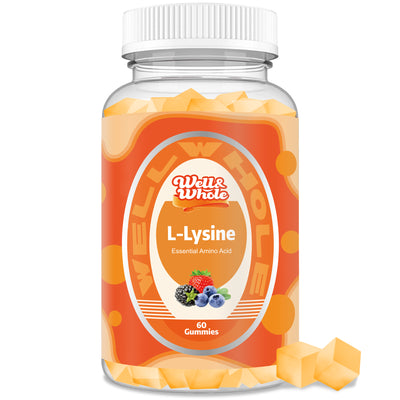
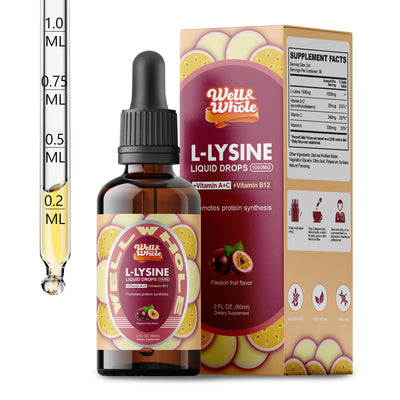
Where to begin? Our L-Lysine 1000mg Essential Amino Acid Supplement Gummies for Kids and Adults and L-Lysine Supplement Liquid Drops 1000mg are a sensible place to start, and the L-lysine collection lays out the other formats side by side with Amino Acids.
These statements have not been evaluated by the Food and Drug Administration. This product is not intended to diagnose, treat, cure, or prevent any disease.