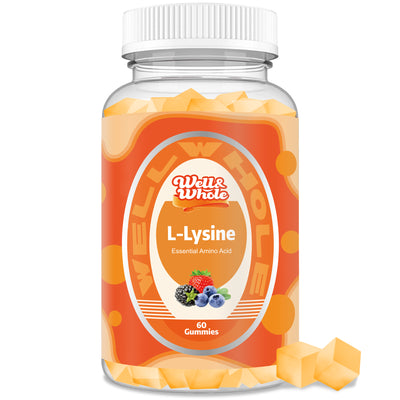
what does lysine do for you

Lysine: The Essential Amino Acid Fueling Your Body’s Daily Wins
Most conversations about amino acids get buried under a mountain of gym jargon, but lysine deserves a spotlight all its own. As an essential amino acid, it’s one of the few building blocks your body refuses to live without—and cannot manufacture. That means everything hangs on your diet, and later, on the choices you make at the supplement shelf. Whether you’re looking to calm a stubborn immune response, preserve your bone strength, or simply give your skin a daily refresh, lysine sits at the center of the action.
Why Your Body Treats Lysine as a Non‑Negotiable
Lysine isn’t just another nutrient on a label; it’s the raw material behind protein synthesis, hormone production, and enzyme activity. Every time your body rebuilds muscle tissue after a workout or patches up a small cut, it calls on lysine to help link amino acids into functional proteins. It also plays a quiet role in converting fatty acids into energy, which means you feel its absence in more ways than one.
Dietary sources like poultry, fish, eggs, and legumes do supply lysine, but restrictive eating patterns, heavy training schedules, and even aging can create gaps that food alone struggles to fill. When intake falls short, you might notice slower recovery, nagging fatigue, or a complexion that has lost some of its resilience. That’s why many people turn to a dedicated lysine supplement for consistent, measurable support.
In short, lysine acts as a master switch for protein creation, energy metabolism, and nutrient transport—making it indispensable for everyday vitality.
Viral Defense and the Lysine-Arginine Balance
One of the most researched applications of lysine revolves around the herpes simplex virus, the culprit behind cold sores. The virus relies on another amino acid, arginine, to replicate. Lysine competes with arginine at the cellular level, essentially crowding out the very ingredient the virus needs to thrive. When you maintain a higher lysine-to-arginine ratio, you create an environment that is far less hospitable to an outbreak.
Multiple clinical observations have noted that regular lysine supplementation for cold sore outbreaks can shorten healing time and reduce the frequency of flare‑ups. It’s not a cure, but for those who battle recurring episodes, it’s a practical, food‑first‑adjacent tool that can make a real difference. Even individuals who don’t experience cold sores often lean on this amino acid during periods of high stress, when the immune system may need extra reinforcement.
Maintaining a favorable lysine intake is a research‑backed strategy that can dramatically reduce the frequency and discomfort of cold sore flare‑ups.
Calcium’s Perfect Partner for Bone Density
Calcium always gets the headline when bone health is discussed, but without lysine, a significant portion of that mineral might never make it into your skeleton. Lysine increases calcium absorption in the gut and simultaneously helps limit the amount of calcium flushed out through urine. This dual mechanism turns lysine into a quiet architect of bone density, a role that becomes especially valuable as you age.
Studies looking at lysine and calcium for bone strength suggest that combining lysine with a calcium‑rich diet can support stronger bone architecture and lower the risk of fractures. For postmenopausal women and older adults—groups often concerned with osteoporosis—a consistent lysine supply adds an extra layer of protection that goes beyond simply drinking more milk.
When lysine enters the picture, your body makes the most of dietary calcium, directly supporting fracture prevention and long‑term skeletal integrity.
From Wound Healing to a Youthful Complexion
Your skin relies on a protein called collagen to stay firm, resilient, and smooth, and lysine is a central component of that collagen matrix. Without enough lysine, collagen fibers lose structural integrity, which can slow wound closure and amplify the appearance of fine lines. By serving as a foundational piece in the collagen assembly line, lysine helps the body repair everyday damage—from a small kitchen burn to the cumulative effects of UV exposure.
Many people researching how lysine promotes skin healing are surprised to find that this amino acid also influences hydration and elasticity. While it’s not a topical miracle, the internal support it provides tends to show up as a more consistent glow, less peeling after sun exposure, and a smoother recovery after dermatological procedures. Pairing lysine with vitamin C often yields even better results, as the two nutrients work in tandem to stabilize collagen fibers.
Whether you’re recovering from an injury or aiming for smoother skin, lysine gives your body the raw materials for faster renewal and a radiant appearance.
Integrating Lysine into Your Routine with Quality Supplements
A plate full of lean meat and lentils will get you part of the way there, but modern life doesn’t always allow for a perfectly calibrated amino acid profile at every meal. That’s where a high‑caliber supplement like well&whole L‑Lysine comes in. Free from unnecessary fillers, their capsules deliver pure L‑lysine hydrochloride in a form that’s easy for the body to utilize—no guesswork, no fluff.
When you evaluate a best L‑lysine supplement for daily wellness, look for transparent labeling, third‑party testing where available, and a straightforward ingredients list. well&whole ticks all those boxes, making it simpler to add a consistent dose to your morning stack. Most adults find that 500 mg to 1000 mg daily fits seamlessly into their routines, whether paired with breakfast or a post‑workout shake.
A dependable product, such as well&whole L‑Lysine, transforms lysine from a dietary variable into a consistent, reliable pillar of your day.
Frequently Asked Questions
1. How do I know if I need more lysine? Early signs of inadequate lysine intake can include unexplained fatigue, slow wound healing, thinning hair, and more frequent cold sore outbreaks. If your diet is low in protein‑rich foods or you follow a vegan eating pattern, a targeted lysine supplement like well&whole L‑Lysine can help bridge the gap before symptoms become a daily bother.
2. Can I take lysine alongside calcium or other minerals? Absolutely. In fact, lysine and calcium work synergistically, which is why many bone‑focused regimens pair them intentionally. If you’re also taking zinc or iron, spreading out supplementation over the day can enhance absorption. well&whole formulas are designed with compatibility in mind, but checking with a healthcare professional is always wise when layering active ingredients.
3. Is lysine safe for long‑term use? Research supports the long‑term use of lysine within recommended guidelines—typically up to 3000 mg per day for acute concerns and lower maintenance doses for ongoing wellness. Because well&whole prioritizes purity and skips artificial additives, their L‑Lysine fits comfortably into a long‑term routine without introducing unnecessary chemical baggage. As with any supplement, periodic check‑ins with your doctor help keep your plan perfectly tuned.
These statements have not been evaluated by the Food and Drug Administration. This product is not intended to diagnose, treat, cure, or prevent any disease.