What Are Essential Amino Acids and How Many Are There
Learn what essential amino acids are their key functions and best food sources for balanced health

What Are Essential Amino Acids?
When people ask “what are essential amino acids and how many are there?”, they’re really asking what it takes to build and maintain a strong, healthy body.
What are amino acids?
Amino acids are the building blocks of protein. Every time you:
- Build muscle
- Repair skin, organs, or tissues
- Make hormones, enzymes, or antibodies
…your body is using amino acids to do the work.
Essential vs non-essential amino acids
Here’s the key difference:
-
Non-essential amino acids:
Your body can make these on its own, even if you don’t eat them directly every day. -
Essential amino acids (EAAs):
Your body cannot synthesize these, so you must get them from food or supplements.
If your diet is low in essential amino acids, your body can’t simply “fill in the gaps.” That’s why essential amino acids are non‑negotiable for muscle growth, recovery, energy, mood, and overall health.
Why your body can’t make essential amino acids
Your body lacks the internal enzymes and metabolic pathways to build essential amino acids from scratch. In plain terms:
- They’re too complex for your body to manufacture
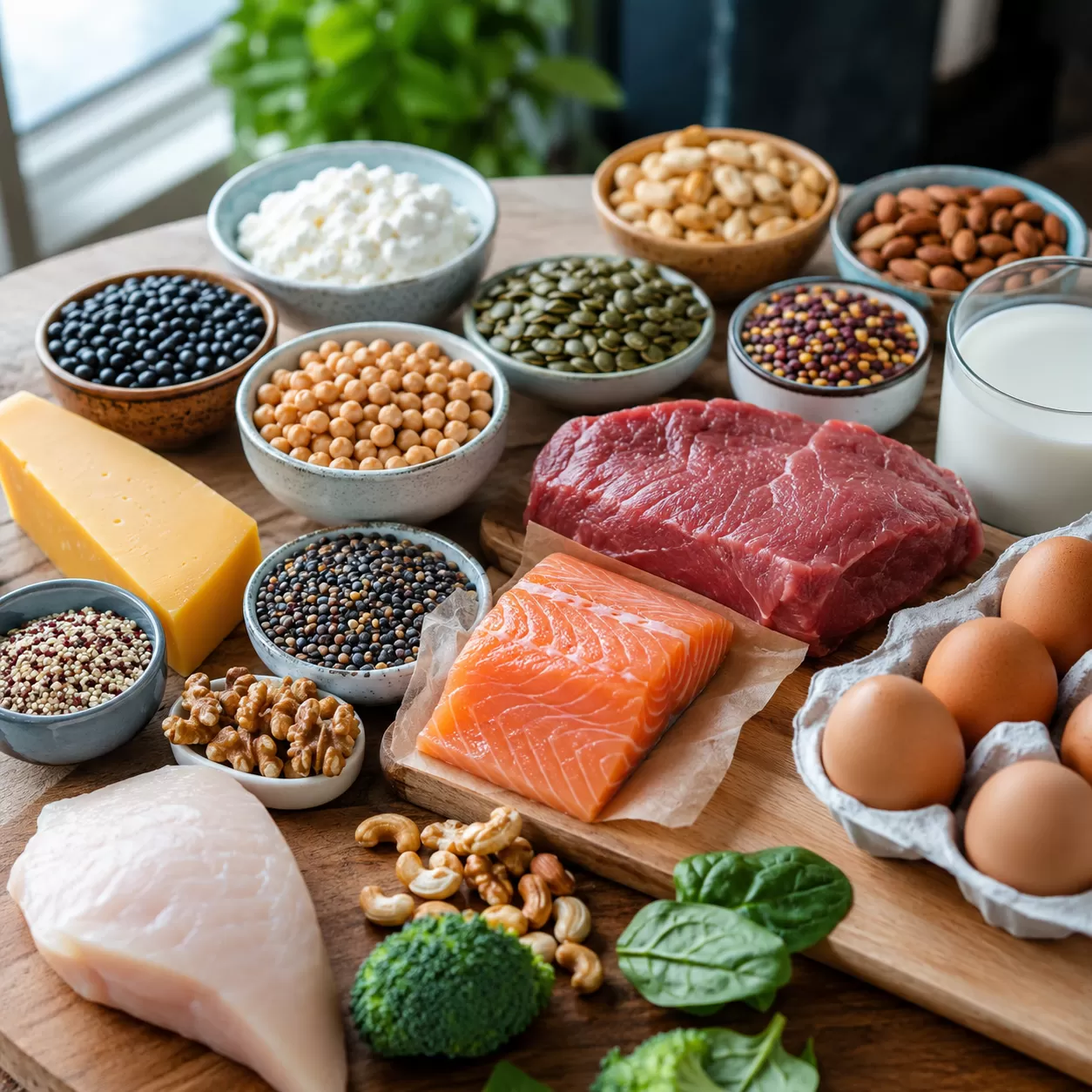
- They have to come directly from dietary protein (meat, eggs, dairy, beans, soy, etc.) or essential amino acids supplements
That’s why whenever I design nutrition or performance-focused products, I always prioritize a complete essential amino acids profile—because if the essentials are missing, everything else in your nutrition plan is operating at a disadvantage.
How Many Essential Amino Acids Are There?
There are 9 essential amino acids your body can’t make on its own, so you have to get them from food or supplements. Here’s the essential amino acids list and what each one does for your health and performance:
- Histidine – Supports growth, tissue repair, and red blood cell production. It also helps protect nerve cells and is important for kids, teens, and active adults.
- Isoleucine – Key for muscle metabolism, energy during workouts, and blood sugar regulation. Popular in BCAA formulas for athletes.
- Leucine – The main trigger for muscle protein synthesis. It helps switch on muscle-building after you eat protein or lift weights, making it crucial for recovery and strength.
- Lysine – Supports immune function, collagen production, and calcium absorption. It’s big for joint health, skin, and maintaining lean body mass.
- Methionine – Helps with detoxification, fat metabolism, and liver health. It also provides sulfur, which your body uses to build hair, skin, and nails.
- Phenylalanine – Used to make neurotransmitters like dopamine, norepinephrine, and epinephrine, which impact focus, mood, and motivation.
- Threonine – Important for skin, connective tissue, and gut lining. It helps maintain a healthy digestive tract and supports collagen and elastin.
- Tryptophan – A precursor to serotonin, which affects mood, sleep, and appetite, and to melatonin, which supports your sleep-wake cycle.
- Valine – Supports muscle growth, repair, and energy during exercise. Like leucine and isoleucine, it’s a BCAA that helps reduce muscle breakdown.
If you’re in the U.S. focusing on muscle growth, energy, mood, or recovery, getting enough of all 9 essential amino acids from complete protein sources or high-quality essential amino acid supplements is non-negotiable.
Importance of Essential Amino Acids for Health
Essential amino acids matter because they sit at the center of how your body builds, repairs, and runs almost everything.
Amino acids for muscle growth and repair
If you lift, run, or just want to stay strong as you age, essential amino acids are non‑negotiable:
- They drive muscle protein synthesis, especially leucine, isoleucine, and valine (the BCAAs).
- They help repair micro-tears in muscle after workouts, cutting down soreness and improving recovery.
- They support lean mass maintenance, which is key if you’re losing weight or getting older and want to avoid muscle loss.
Hormones, enzymes, and metabolism
Essential amino acids are the raw materials for a lot of systems you rely on every day:
- They’re used to build hormones like insulin and growth-related hormones that control energy, blood sugar, and growth.
- They form enzymes that drive metabolism, digestion, detox, and energy production.
- They support neurotransmitter production (like serotonin and dopamine), which affects mood, focus, and stress response.
Immune system support
Your immune system runs on protein, and that means amino acids:
- Essential amino acids help build antibodies that fight off viruses and bacteria.
- They support immune cell production and repair, helping your body respond faster when you get sick.
- They help maintain barrier tissues like the gut lining and skin, which are your first line of defense.
Essential amino acids deficiency risks
When you don’t get enough essential amino acids, it shows up fast in day‑to‑day life:
- Fatigue and low energy from poor muscle recovery and weaker metabolism.
- Muscle loss and weakness, especially if you’re dieting, inactive, or older.
- Slower healing, more frequent colds, and a weaker immune response.
- Mood changes, poor focus, and increased stress due to disrupted neurotransmitter balance.
For most people in the U.S., the fix is simple: consistent, high‑quality protein in your daily diet so you keep essential amino acids, muscle health, and overall performance where they need to be.
Essential Amino Acids in Food and Diet
Complete Protein Sources vs Incomplete Proteins
When people ask “what are essential amino acids and how many are there,” they’re usually also asking where to get them in real food. Here’s the short version:
- Complete protein sources = contain all 9 essential amino acids in solid amounts
- Incomplete proteins = missing or very low in at least one essential amino acid
In the U.S., most folks hit their needs without thinking about it, but if you’re plant-based or dieting hard, you need to be more intentional.
Common complete protein sources:
- Meat (beef, chicken, turkey, pork)
- Fish and seafood
- Eggs
- Dairy (milk, yogurt, cheese)
- Soy (tofu, tempeh, edamame)
- Quinoa
- Whey and casein protein powders
Animal-Based Essential Amino Acids (Meat, Eggs, Dairy)
Animal foods are the easiest way to cover the full essential amino acids list in one shot. They’re naturally “complete” and usually high in leucine, the key driver of muscle protein synthesis.
Solid go-to options:
- Meat: lean beef, chicken breast, turkey, pork loin
- Fish: salmon, tuna, cod, shrimp
- Eggs: one of the most efficient complete proteins
- Dairy: Greek yogurt, cottage cheese, milk, whey protein
For most U.S. consumers, a palm-sized serving of meat or 2–3 eggs at meals is enough to hit a strong amino acid dose for muscle growth and repair.
Plant-Based Essential Amino Acids for Vegans
You can absolutely cover all essential amino acids in food on a vegan diet—you just need more variety and smarter pairings.
High-protein, amino-acid-rich plant foods:
- Legumes: lentils, black beans, chickpeas, soybeans
- Whole grains: quinoa, oats, brown rice, whole-wheat pasta
- Soy products: tofu, tempeh, edamame, soy milk
- Nuts and seeds: peanuts, almonds, chia seeds, hemp seeds, pumpkin seeds
- Plant protein powders: pea, soy, rice, or blended plant proteins
Most plant proteins are “incomplete” on their own, but that’s easy to fix.
Practical Food Pairings for Plant-Based Complete Proteins
To build complete protein sources from plants, combine foods that fill each other’s amino acid gaps. In day-to-day U.S. eating, that looks like simple meals you probably already know.
Easy complete plant-based combos:
- Rice + beans (classic Latin and American comfort food)
- Peanut butter + whole-wheat bread
- Hummus + whole-grain pita
- Lentil soup + whole-grain toast
- Tofu or tempeh + brown rice or quinoa
- Oatmeal + soy milk + nuts or seeds
Key tips I follow and recommend:
- Aim for 20–30 g of protein per meal (from mixed plant sources)
- Rotate your legumes, grains, and nuts so you cover all essential amino acids functions
- Use soy or a blended plant protein powder if you’re training hard and want more precise amino acids for muscle growth
If you’re in the U.S. and eating a mix of animal or well-planned plant proteins throughout the day, you’ll easily cover your essential amino acids needs without stressing over every meal.
How to Support Your Body with Essential Amino Acids
Plan Balanced Meals with Diverse Protein Sources
If you want enough essential amino acids, you need steady protein across your day, not just a massive dinner.
Aim for:
- 20–30g of protein per meal (breakfast, lunch, dinner, plus a snack if needed)
- A mix of complete protein sources and plant-based proteins
Simple, US-friendly meal ideas:
- Breakfast: Greek yogurt + berries + granola, or eggs + whole-grain toast
- Lunch: Chicken or tofu bowl with rice, beans, and veggies
- Dinner: Salmon or lean beef with potatoes and a side of beans or lentils
- Snacks: Cottage cheese, string cheese, mixed nuts, hummus with whole-grain pita
This spread helps your body keep a steady stream of amino acids for muscle growth, recovery, and hormone production.
Protein Timing and Amino Acids for Muscle Growth in Athletes
If you lift, run, or train hard, protein timing matters more:
- Get 20–40g of high-quality protein within 1–2 hours after training
- Include leucine-rich foods (whey protein, dairy, eggs, meat, soy) to support muscle protein synthesis
- Spread total daily protein to about:
- 0.7–1.0 grams per pound of body weight per day for serious strength or endurance training
Easy options post-workout:
- Whey protein shake
- Chocolate milk
- Turkey sandwich
- Tofu or tempeh stir-fry with rice
This helps your muscles use those essential amino acids when they need them most.
When to Consider Essential Amino Acids Supplements
Food should do most of the work, but essential amino acids supplements can help in specific cases:
You might consider EAAs or BCAAs if:
- You’re cutting calories but want to protect muscle mass
- You train early mornings and can’t handle a full meal
- You’re plant-based and struggle to hit protein goals
- You’re an older adult trying to maintain strength and muscle
If you do use supplements:
- Look for third-party tested brands (NSF, Informed-Sport, etc.)
- Treat them as backups, not replacements for real food
- Keep focusing on whole-food protein sources first: meat, eggs, dairy, beans, lentils, tofu, tempeh, and soy milk
Used right, a mix of smart meals, solid protein timing, and targeted essential amino acids supplements can give your body what it needs to perform, recover, and stay strong.
Common Myths About Essential Amino Acids
Myth 1: “You can only get essential amino acids from meat”
That’s false. You get all 9 essential amino acids from:
-
Animal-based complete protein sources
- Beef, chicken, turkey
- Eggs
- Milk, yogurt, cheese
-
Plant-based essential amino acids
- Complete plant proteins: soy (tofu, tempeh, edamame), quinoa, buckwheat
-
Smart combos that form a complete protein:
- Rice + beans
- Peanut butter + whole wheat bread
- Hummus + pita
If you’re vegan in the United States, you can absolutely hit your essential amino acids list daily with planned meals and a little variety.
Myth 2: “Supplements are better than whole foods”
For most people, whole foods beat essential amino acids supplements:
- Whole foods give you protein + fiber + vitamins + minerals
- You feel fuller, which helps with weight management
- It’s easier to hit your overall nutrition goals with real food
I only see essential amino acids supplements as helpful when:
- You’re an athlete chasing muscle growth and recovery and can’t meet needs with food
- You’re on a low-calorie cut but still want to protect muscle
- You have digestive issues or low appetite and struggle to eat enough protein
Bottom line: use whole-food protein sources as your base, and treat amino acid supplements as a tool, not a shortcut.
Related supplements
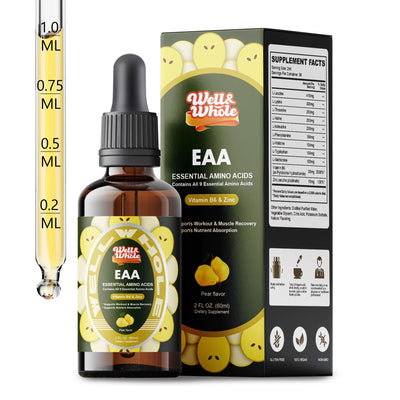
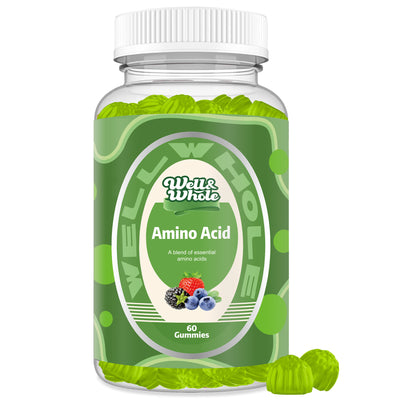
If you're ready to put this into practice, our EAA Gummie 60 counts Essential Amino Acids Supplement Gummies for Men and Women and Essential Amino Acid (EAA) Liquid Drops & Liver Support Liquid Supplement are formulated with this in mind. You can also compare the Amino Acids and Muscle Support ranges to find the format that suits you.
These statements have not been evaluated by the Food and Drug Administration. This product is not intended to diagnose, treat, cure, or prevent any disease.