What Are Amino Acids Essential For?

What Are Amino Acids Essential For?
Amino acids are often described as the building blocks of protein, but their role in human health goes far beyond muscle growth. Of the 20 standard amino acids, nine are classified as essential, meaning the body cannot synthesize them on its own. They must be obtained through diet or supplementation. Understanding what amino acids are essential for—from tissue repair to neurotransmitter production—can help you make informed choices about nutrition and overall wellness.
For a company like well&whole, dedicated to high-quality dietary supplements, this knowledge is particularly relevant. Whether you’re an athlete, a busy professional, or someone focused on healthy aging, meeting your essential amino acid requirements is a cornerstone of vitality.
The Fundamental Roles of Essential Amino Acids in the Body
Each essential amino acid performs unique tasks that collectively support nearly every physiological system. For example, leucine directly activates muscle protein synthesis, while lysine is critical for collagen formation and calcium absorption. Tryptophan serves as a precursor for serotonin, influencing mood and sleep regulation (National Institutes of Health, "Amino Acids," 2022).
Beyond these individual functions, essential amino acids are vital for:
- Immune function: Glutamine and arginine help maintain gut barrier integrity and support white blood cell activity.
- Enzyme and hormone production: Amino acids form the backbone of digestive enzymes, thyroid hormones, and insulin.
- Neurotransmitter balance: Tyrosine is converted into dopamine and norepinephrine, affecting focus and stress response.
In short: essential amino acids are indispensable for muscle maintenance, immune defense, and neurological health. Without adequate intake, the body cannot perform these core processes efficiently.
Where to Get Essential Amino Acids: Food Sources and Supplementation
Complete protein sources—those containing all nine essential amino acids in sufficient amounts—are primarily found in animal products: meat, poultry, fish, eggs, and dairy. Plant-based foods such as quinoa, soy, and hemp seeds also provide complete profiles, though many plant proteins are incomplete. For instance, rice lacks sufficient lysine, while beans are low in methionine. Combining complementary proteins (e.g., rice and beans) can create a complete amino acid profile.
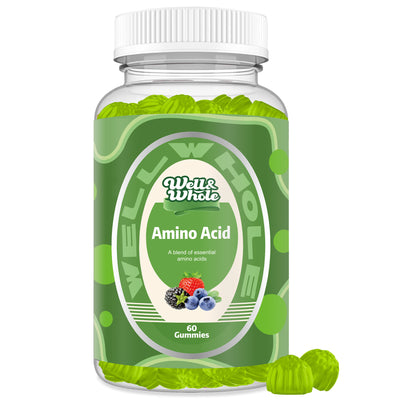
However, modern lifestyles often make it difficult to consistently consume diverse, high-quality proteins. This is where supplements become a practical solution. well&whole offers precisely formulated essential amino acid blends designed to fill dietary gaps without unnecessary additives. Our products are sourced with bioavailability in mind, ensuring that each amino acid reaches your tissues effectively.
Key takeaway: Animal proteins and a few plant sources deliver complete amino acids. For those with dietary restrictions or busy schedules, a well&whole supplement can provide a reliable, balanced alternative.
Long-tail keyword integration: When researching essential amino acids benefits for muscle recovery or looking for vegan amino acid supplements for women, understanding that quality matters is crucial. well&whole’s third-party testing guarantees purity and potency.
Why Complete Proteins Matter: The Concept of Limiting Amino Acids
When one essential amino acid is in short supply, protein synthesis becomes limited—just as a chain is only as strong as its weakest link. This is called the “limiting amino acid” concept. For example, if your diet is low in lysine, your body cannot use the other amino acids efficiently, regardless of total protein intake (World Health Organization, "Protein and Amino Acid Requirements in Human Nutrition," 2007).
This limitation explains why vegetarians and vegans must pay extra attention to amino acid variety. Even a single missing essential amino acid can impair immune response, slow wound healing, and reduce lean mass retention. well&whole formulations are designed to eliminate this risk by providing a full spectrum of essential aminos in ratios that mirror human needs.
In summary: Consuming a complete set of essential amino acids is not optional—it’s necessary for the body to actually build and repair tissue. Partial coverage simply doesn’t deliver the same results.
Long-tail keyword: Searching for complete protein sources for older adults or essential amino acids for immune support highlights why comprehensive intake matters, especially during periods of increased demand.
Specific Goals: Muscle Growth, Recovery, and Healthy Aging
Amino acid requirements shift depending on age, activity level, and health status. Athletes, for instance, benefit from higher leucine intake to maximize post-exercise protein synthesis. Research suggests that 2–3 grams of leucine per meal can significantly improve muscle repair and growth (Phillips et al., "Leucine Content of Meals and Muscle Protein Synthesis," American Journal of Clinical Nutrition, 2009).
For older adults, the risk of sarcopenia—age-related muscle loss—makes essential amino acid supplementation especially valuable. Unlike the young, seniors often need higher per-gram doses to trigger the same anabolic response. well&whole’s Age-Defying Amino Blend targets this precise need, offering a convenient way to preserve strength and mobility.
Additionally, essential amino acids support metabolic health. They help regulate blood sugar by promoting insulin sensitivity and can reduce cravings by stabilizing energy and mood—benefits that align with weight management goals.
Bottom line: Whether you aim to build muscle, accelerate recovery, or maintain vigor as you age, essential amino acids are the metabolic fuel that makes it possible. Targeted supplementation with a trusted brand like well&whole ensures you don’t miss out.
Frequently Asked Questions (FAQ)
1. Can I get enough essential amino acids from plant-based foods alone?
Yes, but it requires careful planning. Combining grains, legumes, nuts, and seeds across meals can provide all nine essential amino acids. However, individuals with high protein needs—such as athletes or older adults—may still fall short. In such cases, a plant-based essential amino acid supplement like those from well&whole offers a convenient safety net.
2. What happens if I don’t consume enough essential amino acids?
Chronic deficiency can lead to muscle wasting, weakened immunity, poor wound healing, and hormonal imbalances. Early signs include fatigue, hair thinning, and difficulty concentrating. Ensuring adequate intake through food or a quality supplement helps prevent these issues.
3. How do I choose the right amino acid supplement?
Look for a product that lists all nine essential aminos in balanced proportions, with no unnecessary fillers. Third-party certification for purity and potency is ideal. well&whole provides transparent labeling and uses ingredients that are easily absorbed, making it a reliable choice for both daily wellness and specific performance goals.
References
- National Institutes of Health, "Amino Acids," 2022.
- World Health Organization, "Protein and Amino Acid Requirements in Human Nutrition," 2007.
- Phillips, S.M. et al., "Leucine Content of Meals and Muscle Protein Synthesis," American Journal of Clinical Nutrition, 2009.
- Institute of Medicine, "Dietary Reference Intakes for Energy, Carbohydrate, Fiber, Fat, Fatty Acids, Cholesterol, Protein, and Amino Acids," 2005.
These statements have not been evaluated by the Food and Drug Administration. This product is not intended to diagnose, treat, cure, or prevent any disease.