What Are All the Essential Amino Acids

What Are All the Essential Amino Acids
Your body relies on amino acids for countless functions, from building muscle to supporting immune health. But out of the 20 standard amino acids, nine are classified as essential — meaning your body cannot produce them on its own. You must obtain them through diet or supplementation. This article breaks down every essential amino acid, explains why they matter, and shows how well&whole can help you fill any gaps naturally.
Understanding Essential Amino Acids
Amino acids are often called the building blocks of protein. When you eat protein-rich foods, your digestive system breaks them down into individual amino acids, which are then reassembled into the proteins your body needs. Among these, essential amino acids (EAAs) are non-negotiable. Unlike non-essential amino acids, which your body can synthesize from other compounds, EAAs must come from external sources.
The nine essential amino acids are: histidine, isoleucine, leucine, lysine, methionine, phenylalanine, threonine, tryptophan, and valine. Each plays a distinct role. For example, leucine is critical for muscle protein synthesis, while tryptophan is a precursor to serotonin, the mood-regulating neurotransmitter. Without adequate intake of all nine, your body cannot maintain optimal protein turnover, which affects everything from tissue repair to enzyme production.
Summary: Essential amino acids cannot be made by the body; they must be consumed through food or supplements. A deficiency in any one can disrupt key physiological processes.
The Complete List of Essential Amino Acids
Let’s look at each essential amino acid in more detail, along with its primary functions and food sources.
Histidine
Histidine is involved in the production of histamine, a neurotransmitter that regulates immune response, digestion, and sleep. It also helps maintain the myelin sheath that protects nerve cells. Good sources include meat, fish, poultry, dairy, and whole grains. For plant-based eaters, soy and legumes provide decent amounts.
Isoleucine, Leucine, and Valine
These three are the branched-chain amino acids (BCAAs), famous for their role in muscle recovery and energy production. Leucine directly activates the mTOR pathway, which triggers muscle growth. Isoleucine aids glucose uptake, and valine helps maintain nitrogen balance. They are abundant in eggs, chicken, beef, and whey protein. Vegetarians can turn to quinoa, pumpkin seeds, and lentils to cover these needs.
Lysine
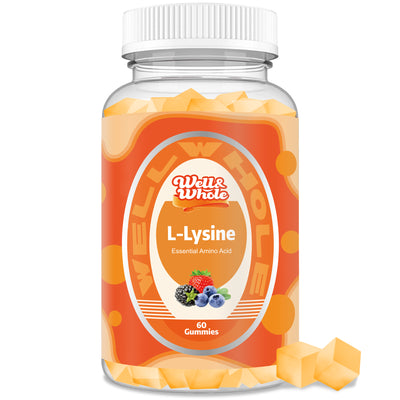
Lysine is essential for collagen formation, calcium absorption, and the production of carnitine, which helps convert fatty acids into energy. It also supports immune function. Lysine-rich foods include red meat, cheese, fish, and spirulina. People following a vegan diet often need to pay extra attention because grains tend to be low in lysine.
Methionine
Methionine is a sulfur-containing amino acid that supports detoxification processes in the liver and is a precursor to cysteine and taurine. It also helps maintain healthy skin and hair. Eggs, Brazil nuts, sesame seeds, and fish are excellent sources. Note that methionine is often limiting in plant-based diets, especially in beans and rice combos.
Phenylalanine
Phenylalanine converts to tyrosine, which then becomes dopamine, norepinephrine, and thyroid hormones. It influences mood, alertness, and cognitive function. It is found in dairy, soy products, almonds, and avocado. People with the genetic disorder phenylketonuria (PKU) must limit intake, but for most, it’s essential.
Threonine
Threonine is important for collagen and elastin production, as well as immune system function. It also helps maintain the integrity of tooth enamel and mucus membranes. Good sources include lean meat, dairy, eggs, and sunflower seeds.
Tryptophan
Tryptophan is best known for its role in sleep and mood because it’s the precursor to serotonin and melatonin. Bananas, oats, turkey, cheese, and nuts provide small amounts. However, the body’s ability to use tryptophan depends on the presence of other amino acids, so balanced protein intake is key.
Summary: Each of the nine essential amino acids has unique functions, from muscle repair (BCAAs) to neurotransmitter synthesis (tryptophan, phenylalanine). A varied diet covering animal and plant sources can meet all EAA requirements.
Why Essential Amino Acids Matter for Health
Even if you consume enough total protein, your body still needs the right balance of essential amino acids to function optimally. Inadequate intake of even one EAA can limit protein synthesis, a concept known as the “limiting amino acid” effect. For example, many plant proteins are low in lysine or methionine, which can reduce their overall value unless combined with complementary proteins.
Research from the National Institutes of Health (NIH) shows that EAA supplementation can improve muscle mass in older adults, support recovery after exercise, and enhance wound healing [1]. Chronic deficiency may lead to fatigue, weakened immunity, muscle wasting, and poor skin health.
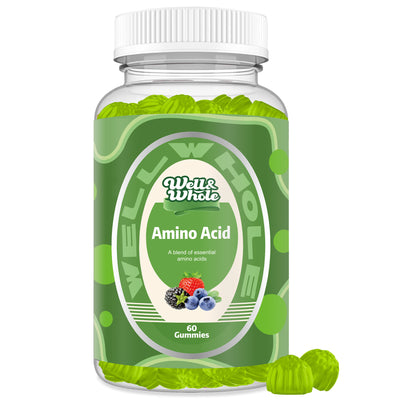
For people with high protein demands — athletes, pregnant women, or those recovering from illness — an essential amino acids supplement can be a convenient way to ensure adequacy without eating large portions of food. This is where well&whole steps in, offering a clean, balanced EAA powder derived from plant-based fermentation that fits seamlessly into any lifestyle.
Summary: EAA deficiencies can restrict protein synthesis and lead to negative health outcomes. Supplementation helps bridge dietary gaps, especially for individuals with elevated needs or restrictive diets.
How to Get Enough Essential Amino Acids
From Food
The simplest way to meet EAA requirements is to eat a variety of complete protein sources. Complete proteins contain all nine EAAs in adequate proportions. Animal-based foods like eggs, milk, cheese, meat, fish, and poultry are naturally complete. Plant-based eaters must combine different proteins — for instance, rice and beans, hummus and whole wheat pita, or tofu with quinoa. Spirulina and soy are among the few plant sources that are complete on their own.
From Supplements
Even with a well-planned diet, some people find it challenging to consistently hit EAA targets. Busy schedules, picky eating, or digestive issues can get in the way. High-quality EAA supplements offer a precise dose of each amino acid without the extra calories or preparation time.
well&whole sources its essential amino acids from non-GMO fermentation, providing a vegan-friendly, allergen-free option. Each serving delivers the exact ratio recommended by the World Health Organization to support muscle maintenance, energy metabolism, and overall vitality [2]. Unlike many brands that cut corners with low-grade fillers, well&whole prioritizes purity and bioavailability. Whether you’re a fitness enthusiast looking to speed recovery or simply want to support healthy aging, an EAA supplement can be a smart addition.
Summary: A combination of whole foods and targeted supplementation (like from well&whole) ensures you consistently get all nine essential amino acids. This approach supports long-term health without overcomplicating your routine.
Frequently Asked Questions
Q1: Can I get all essential amino acids from a vegan diet?
Yes, but it requires careful planning. Foods like quinoa, soy, hemp seeds, and amaranth are complete plant proteins. Combining legumes with grains also provides a full EAA profile. However, if your diet is limited or you have high protein needs, an EAA supplement like well&whole can help cover any gaps.
Q2: How much essential amino acids do I need per day?
The recommended daily intake varies by age, sex, and activity level. The World Health Organization suggests approximately 0.8–1.2 grams of protein per kilogram of body weight, with about 20‑25% of that coming from EAAs. For a 70‑kg person, that translates to roughly 12–15 grams of EAAs daily. Always consult a healthcare professional for personalized advice.
Q3: Are EAA supplements better than BCAAs?
BCAAs (leucine, isoleucine, valine) are a subset of EAAs. While BCAAs are great for stimulating muscle protein synthesis, they lack the other six EAAs your body needs for comprehensive repair and metabolic function. Complete EAA supplements like well&whole provide all nine, making them more effective for overall health and recovery.
References:
[1] National Institutes of Health. “Essential Amino Acids and Human Health.” Nutrients, 2021.
[2] World Health Organization. “Protein and Amino Acid Requirements in Human Nutrition.” WHO Technical Report Series, 2007.
These statements have not been evaluated by the Food and Drug Administration. This product is not intended to diagnose, treat, cure, or prevent any disease.