What are all nine essential amino acids

What are all nine essential amino acids
Understanding the nine essential amino acids is crucial for anyone interested in optimal health, muscle recovery, or overall well-being. Unlike non-essential amino acids that your body can synthesize on its own, the nine essential ones must come from food or supplements. As a health-conscious consumer or a professional in the wellness industry, knowing these building blocks can help you make better dietary and supplementation choices. At well&whole, we are dedicated to providing high-quality nutrition solutions, and this guide will walk you through every essential amino acid, their roles, and how to ensure you’re getting enough.
The nine essential amino acids explained
Your body uses amino acids to build proteins, which are vital for everything from muscle tissue to enzymes and hormones. Here are the nine essential amino acids, each with a unique function.
1. Histidine
Histidine is primarily involved in the production of histamine, a compound that supports immune response, digestion, and sleep-wake cycles. It also helps maintain the myelin sheath around nerve cells, which is essential for proper nerve signal transmission. A deficiency can lead to anemia and poor immune function, though it’s relatively rare in balanced diets.
2. Isoleucine
One of the three branched-chain amino acids (BCAAs), isoleucine is critical for muscle metabolism. It helps regulate blood sugar levels, stimulates muscle protein synthesis, and supports energy production during exercise. Athletes often seek out isoleucine-rich foods or supplements to speed up recovery and reduce muscle breakdown.
3. Leucine
Leucine is arguably the most important BCAA when it comes to muscle growth. It directly activates the mTOR pathway, which triggers muscle protein synthesis. Because of this, leucine is often highlighted in post-workout nutrition. Research published in the Journal of the International Society of Sports Nutrition (2017) notes that leucine supplementation can enhance muscle repair and adaptation in active individuals.
4. Lysine
Lysine plays a key role in calcium absorption, collagen formation, and the production of carnitine, which converts fatty acids into energy. It is also involved in the synthesis of antibodies, hormones, and enzymes. Some studies suggest that lysine may help reduce anxiety and improve wound healing. For vegetarians and vegans, getting enough lysine can be challenging, as it is abundant in animal products but lower in grains.
5. Methionine
Methionine is a sulfur-containing amino acid that supports detoxification, metabolism, and tissue growth. It is a precursor to cysteine, another amino acid that helps synthesize glutathione—a powerful antioxidant. The World Health Organization (WHO) recommends a daily intake of about 10.4 mg per kg of body weight for adults. Methionine is also important for the health of hair, skin, and nails.
6. Phenylalanine
Phenylalanine is converted into tyrosine, which then produces neurotransmitters like dopamine, norepinephrine, and epinephrine. These chemicals influence mood, alertness, and concentration. However, individuals with phenylketonuria (PKU) must strictly limit phenylalanine intake due to a genetic inability to metabolize it. For most people, it supports cognitive function and stress response.
7. Threonine
Threonine is vital for the structural proteins of skin and connective tissue, such as collagen and elastin. It also aids in fat metabolism and immune function. Some research indicates that threonine supplementation may help reduce symptoms of certain digestive disorders, though more studies are needed. It’s commonly found in lean meats, dairy, and legumes.
8. Tryptophan
Tryptophan is best known as the precursor to serotonin, the “feel-good” neurotransmitter that regulates mood, sleep, and appetite. It also produces niacin (vitamin B3), which supports energy production. Many people associate tryptophan with the drowsiness after a heavy turkey meal, but its role in sleep and emotional balance is far more significant. The body cannot store tryptophan, so regular intake is necessary.
9. Valine
Valine is the third BCAA, and it helps stimulate muscle growth and regeneration. It is also involved in energy production and maintaining nitrogen balance in the body. Unlike leucine, valine has a milder effect on protein synthesis but is essential for preventing muscle fatigue and supporting endurance.
Summary: These nine essential amino acids—histidine, isoleucine, leucine, lysine, methionine, phenylalanine, threonine, tryptophan, and valine—work together to support everything from muscle repair to neurotransmitter production. Ensuring you have a complete profile of essential amino acids list in your diet is a foundational step toward better health. The complete protein sources that contain all nine include meat, eggs, dairy, soy, and quinoa. For those who struggle to meet their needs through food alone, high-quality amino acid supplements benefits can bridge the gap.
Where to get all nine essential amino acids
Because the body cannot produce these nine compounds, you must obtain them through diet or supplementation. Let’s break down the best sources.
Dietary sources of complete proteins
A complete protein contains all nine essential amino acids in sufficient quantities. Animal-based foods are typically complete: beef, chicken, fish, eggs, and dairy products all provide every essential amino acid. For plant-based eaters, some options are complete as well—soy (tofu, tempeh, edamame), quinoa, buckwheat, and hemp seeds are excellent choices. However, most plant proteins (like beans, rice, and nuts) are incomplete, meaning they lack one or more essential amino acids. The solution? Combine complementary proteins—for example, rice and beans together form a complete profile. According to a 2019 review in Nutrients, careful planning can easily meet amino acid requirements on a vegetarian or vegan diet.
Supplementation with well&whole
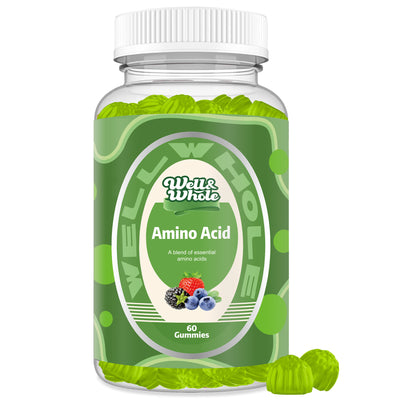
Even with a balanced diet, certain life stages (pregnancy, intense training, aging) may increase your needs. That’s where well&whole comes in. Our Essential Amino Acid Complex is formulated to provide a precisely balanced ratio of all nine essential amino acids, with added focus on leucine for muscle support. Each serving delivers 5 grams of pure amino acids, derived from fermented plant sources—making it suitable for vegans and those with dietary restrictions. Unlike some single-amino supplements, our blend ensures you don’t miss any critical component. Whether you’re an athlete looking to optimize recovery or someone simply wanting to support daily vitality, well&whole’s product can be a convenient addition to your routine.
Summary: Meeting your body’s need for the nine essential amino acids is achievable through a varied diet rich in complete protein sources or through targeted supplementation. Plant-based individuals should pay special attention to combining foods to avoid deficiencies. well&whole offers a clean, research-backed option for those who want a reliable source without the guesswork. The amino acid supplements benefits extend beyond muscle—supporting immune function, mood, and metabolic health.
Why essential amino acids matter for your health
Beyond the basic functions, these nine molecules play interconnected roles that affect your entire body. Many people focus solely on protein quantity (grams per day) but overlook the quality of that protein. For example, a person could eat 100 grams of an incomplete protein (like gelatin) and still lack tryptophan or lysine. This is why understanding the full essential amino acids list is so important.
Research from the American Journal of Clinical Nutrition (2020) indicates that insufficient intake of even one essential amino acid can limit protein synthesis and lead to a negative nitrogen balance, especially in older adults. This condition is linked to sarcopenia (age-related muscle loss), weakened immunity, and slower wound healing. Conversely, adequate intake has been associated with better metabolic health, cognitive function, and even longevity.
Moreover, essential amino acids are not just for bodybuilders. They support the production of enzymes that digest food, hormones that regulate mood, and antibodies that fight infections. For instance, tryptophan’s role in serotonin production means it can influence sleep quality and emotional resilience. A 2016 study in Psychopharmacology found that tryptophan depletion led to increased irritability and lower mood scores in healthy participants.
Summary: Prioritizing a full spectrum of essential amino acids is a smart strategy for anyone aiming to maintain muscle mass, support mental clarity, and sustain overall health. Whether through whole foods or a trusted supplement like well&whole’s formulation, you can ensure your body has the raw materials it needs. The key is not just hitting a protein target, but hitting it with the complete protein sources that deliver every essential building block.
Frequently Asked Questions (FAQ)
1. Can I get all nine essential amino acids from a vegan diet?
Yes, absolutely. Foods like quinoa, soy, tofu, tempeh, edamame, buckwheat, and hemp seeds are complete proteins. You can also combine incomplete plant proteins—such as rice and beans, or hummus with whole-wheat pita—to form a complete profile. If you’re concerned about missing any, a supplement like well&whole Essential Amino Acid Complex can provide a convenient safety net.
2. What happens if I'm deficient in one essential amino acid?
Your body will down-regulate protein synthesis to conserve that amino acid, which can lead to muscle wasting, weakened immunity, fatigue, and impaired recovery from illness or injury. Over time, deficiencies may contribute to more serious conditions like anemia, poor wound healing, and hormonal imbalances. The World Health Organization sets daily reference intakes for each essential amino acid based on body weight; falling consistently below those levels is not recommended.
3. Are essential amino acid supplements safe for daily use?
For most healthy adults, yes. well&whole products are manufactured in GMP-certified facilities and tested for purity. Start with the recommended serving size, and consult your healthcare provider if you have a pre-existing medical condition (like kidney disease) or are pregnant/nursing. Because amino acids are naturally occurring, they are generally well-tolerated. As with any supplement, it’s best to use them as part of a balanced diet rather than a replacement for whole foods.
These statements have not been evaluated by the Food and Drug Administration. This product is not intended to diagnose, treat, cure, or prevent any disease.