What Are All Essential Amino Acids? The Complete Guide to the 9 You Need

What Are All Essential Amino Acids? The Complete Guide to the 9 You Need
When it comes to building a healthy body, understanding what are all essential amino acids is a game changer. These nine building blocks of protein cannot be made by your body—they must come from food or supplements. For anyone interested in fitness, recovery, or overall wellness (especially those exploring essential amino acid benefits for muscle repair), knowing the full list and their roles is the first step. Let’s break down each one, where to find them, and why a reliable source like well&whole can help fill any gaps in your diet.
The Nine Essential Amino Acids: Names and Functions
Your body uses 20 amino acids to create proteins, but only nine are classified as essential: histidine, isoleucine, leucine, lysine, methionine, phenylalanine, threonine, tryptophan, and valine.
- Histidine is crucial for growth and tissue repair, especially in children. It also helps produce histamine, which supports immune response.
- Isoleucine, leucine, and valine form the branched-chain amino acids (BCAAs)—popular among athletes for reducing muscle soreness and promoting protein synthesis. Leucine, in particular, acts as a key signal for muscle building.
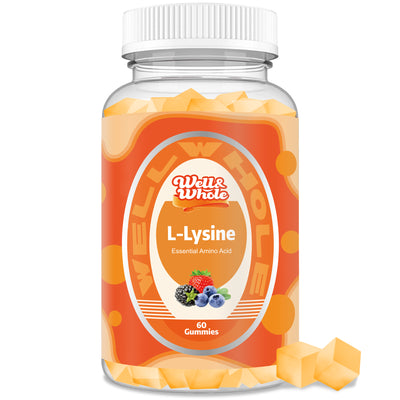
- Lysine supports collagen production, calcium absorption, and immune function. Low lysine levels are sometimes linked to anxiety.
- Methionine is involved in metabolism and detoxification, and it’s a precursor to cysteine, which helps with antioxidant production.
- Phenylalanine converts into tyrosine, which produces neurotransmitters like dopamine and norepinephrine.
- Threonine is essential for skin elasticity, connective tissue health, and immune antibody formation.
- Tryptophan is famous for its role in serotonin production, affecting mood and sleep.
Key takeaway: Each of these nine plays a non‑negotiable role. Without enough of any single one, protein synthesis stalls. That’s why complete essential amino acids list knowledge matters for anyone planning their diet or supplement routine.
Where to Get All Essential Amino Acids: Food Sources vs. Supplements
Complete proteins—those containing all nine essential amino acids in adequate amounts—are found mostly in animal products. Think eggs, chicken, fish, beef, dairy, and quinoa (a plant‑based exception). Incomplete plant proteins (beans, grains, nuts) often lack one or more, but combining them (e.g., rice and beans) can fill the gaps.
However, modern lifestyles, dietary restrictions, or high training demands sometimes make it hard to consistently hit the daily targets. The Recommended Dietary Allowance (RDA) for a 70‑kg adult is roughly 0.8 g of protein per kg, but athletes may need double that. According to a 2020 review in the Journal of the International Society of Sports Nutrition, leucine intake of 2–3 g per meal optimizes muscle protein synthesis.
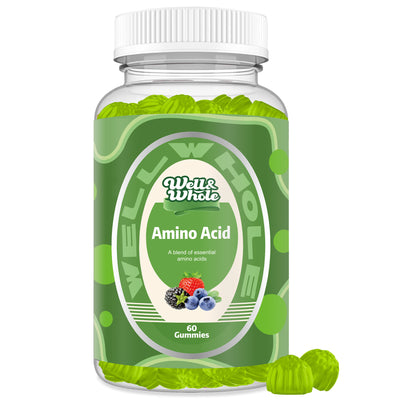
When food alone isn’t enough, a supplement like well&whole Essential Amino Acid Complex provides a precisely measured blend. Unlike whole‑protein powders, pure EAAs are rapidly absorbed, making them ideal for post‑workout recovery or as a convenient daily boost. A best essential amino acids supplement should have all nine in ratios proven to support health.
Key takeaway: Prioritize whole food sources first, but don’t hesitate to supplement when your diet falls short. And remember—balance across all nine matters more than total grams of protein.
Who Needs Extra Essential Amino Acids and Why
Not everyone needs an EAA supplement, but certain groups benefit greatly:
- Athletes and active individuals: Intense training increases protein turnover. EAAs (especially BCAAs) reduce exercise‑induced muscle damage and speed recovery.
- Older adults: Sarcopenia (age‑related muscle loss) can be countered by higher leucine intake. A 2018 study in Nutrients found that 3 g of leucine per meal improved muscle strength in elderly participants.
- Vegetarians and vegans: Plant‑based eaters often lack lysine and methionine. A targeted EAA supplement ensures no deficiency.
- People recovering from illness or surgery: Rapid tissue repair requires all essential building blocks.
Key takeaway: If you fall into any of these groups, adding a high‑quality essential amino acid benefits source like well&whole can make a real difference in energy, recovery, and long‑term health.
How well&whole Stands Out
In a crowded market, not all amino acid products are equal. well&whole formulates its EAA complex with a research‑backed ratio—leaning heavier on leucine for anabolic signaling—and uses no artificial fillers. Every batch is third‑party tested for purity and potency. Whether you need a complete essential amino acids powder for your morning shake or capsules for travel, well&whole offers transparency you can trust.
Key takeaway: Choose a brand that prioritizes science and quality. well&whole does exactly that.
Frequently Asked Questions
1. Can I get all essential amino acids from plant‑based foods alone?
Yes, but not from a single plant source. You need to combine complementary proteins—like beans and rice or hummus and whole‑wheat pita—to get the full spectrum. Some plant foods (soy, quinoa, hemp seeds) are complete on their own. For vegans with high needs, a well&whole EAA supplement ensures you never miss a key amino acid.
2. What happens if I don’t get enough essential amino acids?
Over time, deficiency can lead to muscle wasting, poor wound healing, weak immunity, and even mood disorders. Short‑term, you might feel fatigue or slow recovery after exercise. That’s why consistently hitting your essential amino acids list daily is non‑negotiable for optimal health.
3. Are essential amino acid supplements safe for everyone?
Generally yes, but talk to your doctor if you have kidney disease, are pregnant, or take medications that affect protein metabolism. For healthy individuals, EAAs like those from well&whole are safe and well‑tolerated when taken as directed.
Sources:
- Institute of Medicine (2005). Dietary Reference Intakes for Energy, Carbohydrate, Fiber, Fat, Fatty Acids, Cholesterol, Protein, and Amino Acids.
- Phillips, S. M. et al. (2020). “A brief review of critical processes in exercise‑induced muscular hypertrophy.” Journal of the International Society of Sports Nutrition, 17(1).
- Bauer, J. M. et al. (2018). “Leucine supplementation improves muscle strength in older adults.” Nutrients, 10(11).
Remember, understanding what are all essential amino acids is the foundation of smart nutrition. Keep the list close, eat a varied diet, and let well&whole fill the gaps when life gets in the way.
These statements have not been evaluated by the Food and Drug Administration. This product is not intended to diagnose, treat, cure, or prevent any disease.