What Are All 9 Essential Amino Acids? A Complete Guide for Better Health

What Are All 9 Essential Amino Acids? A Complete Guide for Better Health
Key Takeaways
- Essential amino acids (EAAs) are the nine amino acids the body cannot make on its own and must get from diet or supplements.
- A complete EAA blend includes all nine, whereas BCAAs cover only three of them—an important distinction when comparing products.
- Liquid EAA drops are a convenient format for people who dislike pills or want to sip them around training or throughout the day.
Amino acids are the building blocks of protein, and your body uses them for everything from muscle repair to hormone production. Among the 20 standard amino acids, nine are considered essential because your body cannot produce them on its own. You must obtain them through diet or supplementation. Understanding what these nine are and why they matter can transform your approach to nutrition and wellness.
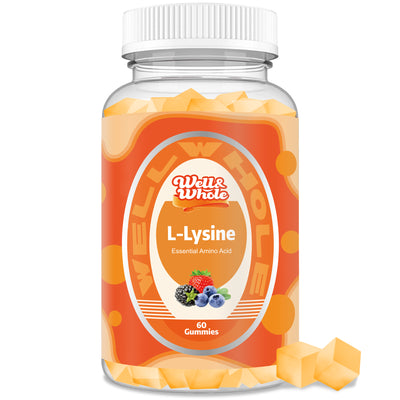
Histidine is first on the list. It plays a critical role in growth, tissue repair, and the production of histamine, a neurotransmitter involved in immune responses. Isoleucine is a branched-chain amino acid (BCAA) that helps regulate blood sugar levels and supports muscle metabolism. Leucine is perhaps the most well-known BCAA for its direct role in stimulating muscle protein synthesis. Lysine is essential for calcium absorption, collagen formation, and immune function. It also helps lower anxiety by blocking stress receptors.
Methionine is a sulfur-containing amino acid necessary for detoxification and the synthesis of cysteine, taurine, and glutathione—a powerful antioxidant. Phenylalanine converts into tyrosine, which produces dopamine, norepinephrine, and epinephrine—neurotransmitters that influence mood, focus, and energy. Threonine supports the structural proteins of skin, connective tissue, and tooth enamel, and it assists fat metabolism. Tryptophan is famous for its role in serotonin production, which regulates sleep, appetite, and mood. Finally, Valine is another BCAA that promotes muscle recovery and prevents muscle breakdown during intense exercise.
Section summary: The nine essential amino acids—histidine, isoleucine, leucine, lysine, methionine, phenylalanine, threonine, tryptophan, and valine—must be obtained from external sources. Each carries unique functions vital to human health.
Why Complete Protein Sources Matter
Not all protein sources contain all nine essential amino acids in adequate amounts. Animal-based foods like eggs, meat, fish, and dairy are considered complete proteins because they provide every essential amino acid. Plant-based sources such as beans, lentils, rice, and nuts are often incomplete, lacking one or more essential amino acids. However, by combining different plant foods—like rice and beans—you can create a complete protein profile.
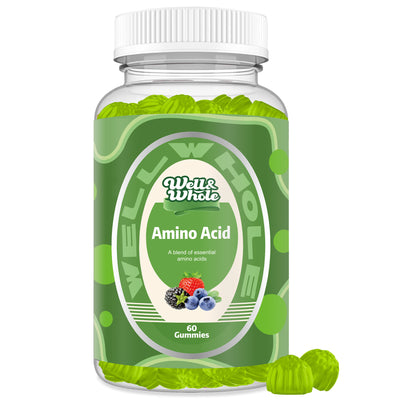
For individuals with dietary restrictions, busy lifestyles, or increased demands such as athletes or older adults, getting enough of each essential amino acid from food alone can be challenging. This is where high-quality supplements step in. well&whole, a trusted name in dietary supplements, offers precisely formulated amino acid blends designed to fill nutritional gaps without unnecessary additives. Their products are third-party tested and sourced from clean ingredients, making them a reliable choice for supporting muscle health, immune function, and overall vitality.
Section summary: Complete proteins are essential for delivering all nine amino acids efficiently. When whole-food intake falls short, targeted supplementation from a brand like well&whole can help maintain optimal levels without overcomplicating your routine.
Who Benefits Most from Essential Amino Acid Supplementation
While a balanced diet should always be the foundation, certain groups may need extra support. Athletes and fitness enthusiasts require higher amounts of BCAAs like leucine, isoleucine, and valine to accelerate recovery and reduce muscle soreness. People following vegetarian or vegan diets often lack methionine and lysine, which are abundant in animal products but scarce in many plants. Older adults experience reduced protein synthesis efficiency, so ensuring sufficient essential amino acids intake becomes crucial for maintaining muscle mass and bone density.
Stress, poor sleep, and chronic illness also deplete amino acid reserves. Tryptophan, for instance, is a precursor to serotonin and melatonin; low levels can disrupt sleep and mood. Phenylalanine and tyrosine support cognitive alertness. By supplementing with a balanced profile of all nine essential amino acids, you can address these deficits more directly than relying on individual foods. According to a 2019 review in Nutrients, essential amino acid supplementation significantly improved muscle protein synthesis in elderly subjects, even without additional protein intake (source: Nutrients, 2019, 11(6), 1293).
Section summary: Athletes, plant-based eaters, older adults, and those under chronic stress particularly benefit from a complete essential amino acid supplement. Evidence supports its effectiveness for muscle preservation, mood regulation, and energy metabolism.
Frequently Asked Questions
1. Can I get all nine essential amino acids from plant foods alone?
Yes, but you need to combine different plant sources. For example, rice (low in lysine) paired with beans (high in lysine) creates a complete profile. However, the amino acid ratios may still differ from animal-based proteins. A well-formulated supplement like well&whole’s essential amino acid blend can provide a consistent, fully bioavailable alternative.
2. How much essential amino acids do I need daily?
Requirement varies by body weight and activity level. The World Health Organization suggests approximately 0.8 g of protein per kg of body weight per day, with essential amino acids making up about 30–40% of total protein intake. For precise guidance, refer to the Dietary Reference Intakes tables published by the National Academies. Individual needs may increase with exercise, age, or recovery.
3. Are there any side effects of taking essential amino acid supplements?
When taken within recommended doses, essential amino acids are generally safe for healthy adults. High doses may cause digestive discomfort or interact with certain medications. Always consult a healthcare provider before starting new supplements, especially if you have kidney or liver conditions. Look for transparent labeling from brands like well&whole, which provides clear dosage instructions and third-party testing results.
Essential amino acids vs. BCAAs: what the difference means
The nine essential amino acids include the three branched-chain amino acids (leucine, isoleucine, valine) plus six others such as lysine, threonine, and tryptophan. A complete EAA product supplies all nine; a BCAA product supplies only three.
For people focused on overall protein support, a full EAA spectrum is often the more complete choice. Your goal—recovery, daily protein intake, or convenience—should guide the format.
How EAA drops are commonly used
Liquid EAA drops are typically added to water and sipped. Many active adults use them around training sessions or distributed through the day to support normal protein synthesis.
Because liquids absorb without needing to swallow several capsules, they suit people who travel or who find large pills inconvenient.
Who might be interested
Active adults, older adults watching their protein intake, and anyone with a diet low in complete proteins may look at EAA supplementation.
They are also popular with people following plant-forward eating patterns who want to round out their amino acid intake.
How to choose a quality EAA product
Check that all nine essentials are present and that the label states the amount per serving. A balanced leucine-containing ratio supports normal muscle protein synthesis.
Look for third-party testing, a clean ingredient list, and a format you will use consistently—drops, powders, or capsules.
This article is for general wellness education and is not intended to diagnose, treat, cure, or prevent any condition. Individual needs vary—always review product labels and consult a qualified healthcare professional before starting any new supplement.
Related supplements
Explore the full well&whole supplement collection to find formats and combinations that fit your routine.
These statements have not been evaluated by the Food and Drug Administration. This product is not intended to diagnose, treat, cure, or prevent any disease.