What 9 Amino Acids Are Essential A Simple Nutrition Guide
Discover what 9 amino acids are essential with a simple guide to benefits food sources and daily protein needs

Feeling confused about essential amino acids—even though you’re “eating enough protein”?
Maybe your muscles stay sore, your energy crashes mid-afternoon, or your sleep and mood just feel off. You keep hearing about complete protein, BCAAs, and “getting all 9 essential amino acids”… but no one really explains what that means in everyday food terms.
Here’s the simple truth: your body can’t make these 9 essential amino acids on its own—phenylalanine, valine, threonine, tryptophan, methionine, leucine, isoleucine, lysine, and histidine. They’re the tiny building blocks behind strong muscles, steady energy, better recovery, and even brain chemicals like serotonin and dopamine. Miss them, and you feel it.
In this guide, you’ll quickly learn what essential amino acids are, why they matter for your daily wellness, and how to get all nine from real, whole foods—whether you eat everything, are fully plant-based, or somewhere in between.
If you’re ready to stop guessing about protein quality and start building meals that actually support your mood, immunity, and muscle repair, keep reading.
What Are Amino Acids and Why Are Nine of Them Essential?
When people ask “what 9 amino acids are essential?” they’re really asking how to cover the basics so their body can build muscle, recover faster, and stay energized without overcomplicating nutrition.
What are amino acids?
Amino acids are the tiny building blocks that make up protein. Your body uses 20 amino acids to:
- Build and repair muscle
- Support hormones and immune function
- Keep skin, hair, and nails strong
- Fuel daily energy and focus
Essential vs non-essential amino acids
Here’s the simple breakdown of what amino acids are:
- Non-essential amino acids: Your body can make these on its own.
- Essential amino acids (EAAs): These 9 amino acids are essential because your body cannot produce them. You must get them from food or supplements every day.
That’s why you’ll hear terms like essential amino acids, complete protein sources, and BCAA benefits (branched-chain amino acids like leucine, isoleucine, and valine that are key for muscle and recovery).
Why your body can’t make the 9 essential amino acids
Your body simply doesn’t have the internal machinery to create these nine building blocks from scratch. Without a steady supply of essential amino acids from protein-rich foods or plant based complete proteins, your body starts cutting corners:
- Muscle repair slows down
- Hormone production gets thrown off
- Immune function can dip
What happens if you fall short?
Not getting enough essential amino acids doesn’t usually show up overnight, but over time you might notice:
- Fatigue and low energy even when you’re sleeping enough
- Slow workout recovery and more soreness
- Weaker hair, skin, and nails
- More frequent colds or feeling run down
That’s why I treat amino acid importance as non-negotiable. Cover your essential amino acids daily, and your body has what it needs to handle everything from muscle repair to immune support and steady energy.
Meet the 9 Essential Amino Acids
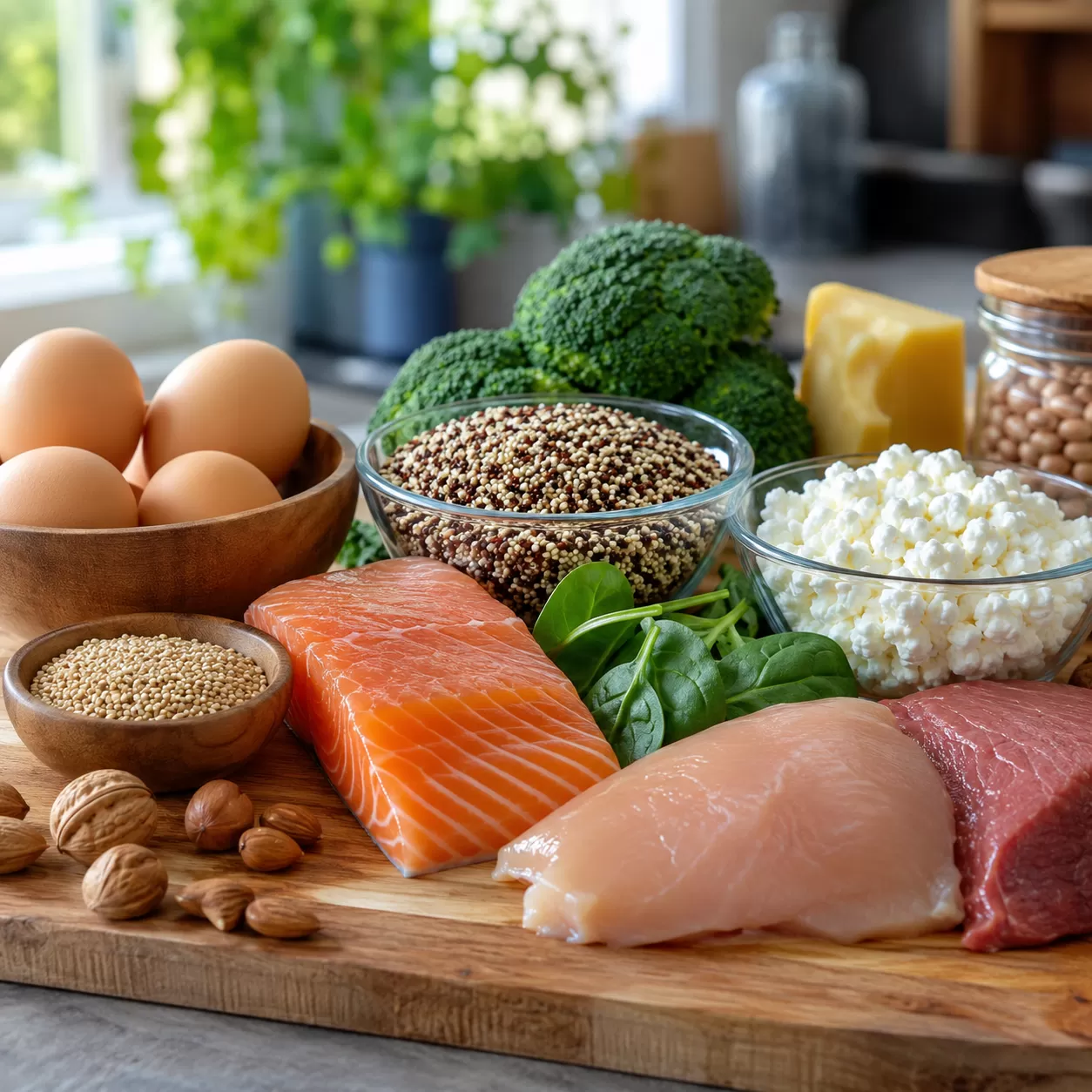
When people ask “what 9 amino acids are essential?”, here’s the lineup and why each one matters in real life—energy, mood, muscle, and recovery.
Phenylalanine – Dopamine & Focus
Phenylalanine is a key player in making dopamine, norepinephrine, and epinephrine.
- Supports focus, motivation, and mood
- Common in meat, fish, eggs, dairy, and soy
Valine – Energy Production & Muscle Growth
Valine is one of the BCAAs and helps with energy production during workouts.
- Supports muscle growth and repair
- Found in beef, chicken, dairy, and legumes
Threonine – Collagen & Elastin Support
Threonine helps form collagen and elastin, the structural proteins that keep skin, joints, and connective tissue strong.
- Supports gut lining and immune function
- Found in meat, cheese, lentils, and seeds
Tryptophan – Serotonin & Sleep
Tryptophan is the amino acid tied to serotonin and melatonin.
- Helps support mood balance and sleep regulation
- In turkey, eggs, dairy, oats, and peanuts
Methionine – Metabolism & Detox
Methionine supports metabolism, tissue growth, and natural detox pathways.
- Carries sulfur for healthy hair, skin, and nails
- Found in eggs, fish, meat, and Brazil nuts
Leucine – Muscle Repair & Protein Synthesis
Leucine is the BCAA most talked about for muscle repair and protein synthesis.
- Crucial for building and maintaining lean muscle
- In whey protein, beef, poultry, and soy
Isoleucine – Muscle Metabolism & Immune Support
Isoleucine helps with muscle metabolism and blood sugar regulation.
- Supports immune function and recovery
- Found in chicken, fish, eggs, and legumes
Lysine – Hormones & Immune Function
Lysine is key for hormone production, immune health, and collagen formation.
- Helps your body absorb calcium
- In meat, dairy, quinoa, and beans
Histidine – Brain Health & Sleep-Wake Cycles
Histidine supports brain health and helps make histamine, which affects sleep-wake cycles.
- Important for nerve protection and red blood cell production
- Found in meat, fish, dairy, and whole grains
In short, these 9 essential amino acids are non-negotiable: your body can’t make them, so your diet has to. Getting enough of them daily supports energy, recovery, mood, and overall health.
Best Food Sources of All 9 Essential Amino Acids
If you want all 9 essential amino acids in your daily routine, you don’t need anything fancy. You just need to know where the complete protein sources are and how to fill the gaps with smart food combos.
Complete Protein Sources Explained Simply
“Complete protein” just means a food that naturally contains all 9 essential amino acids in good amounts. That includes:
- Animal proteins (meat, eggs, dairy, fish) – almost always complete
- Some plant-based complete proteins like soy, quinoa, and buckwheat
If a food isn’t complete, you can still get everything you need by mixing different plant foods over the day.
Top Animal Sources for Easy Daily Intake
For most people in the U.S., animal foods are the easiest way to cover all the essentials in one shot. These are high in leucine for muscle repair, lysine for immune function, methionine for metabolism, and more.
Go-to complete protein options:
- Eggs – Affordable, versatile, and a full amino acid profile
- Chicken breast or thighs – Lean, easy to meal prep, great for lunch or dinner
- Turkey – Similar to chicken, great for sandwiches and bowls
- Greek yogurt (plain, high-protein) – Packs in protein plus calcium
- Cottage cheese – Great snack with fruit or savory mix-ins
- Salmon, tuna, and other fish – Complete protein plus omega-3 fats
- Lean beef – High in iron and B12, boosts energy and recovery
If you’re training hard or trying to build muscle, these make it simple to hit essential amino acids and total protein targets without overthinking it.
Plant Based Complete Proteins for Vegans and Vegetarians
If you’re plant-based, you can still absolutely get all 9 essential amino acids. You just need to lean on some plant based complete proteins and smart combos.
Plant-based complete protein sources:
- Soy foods – Tofu, tempeh, edamame
- Quinoa – Easy swap for rice, complete amino acid profile
- Buckwheat – Great for pancakes, hot cereal, or grain bowls
- Hemp seeds – Sprinkle on yogurt, oats, smoothies, or salads
- Chia seeds – Add to overnight oats, pudding, or smoothies
These hit all the key ones: leucine, isoleucine, valine (BCAAs for muscle metabolism), plus tryptophan for serotonin and sleep, phenylalanine for dopamine, and more.
Smart Food Combinations to Build Complete Proteins
You don’t always need complete proteins in one food. You can build them across a meal using complementary plant proteins. This matters if you live on beans, grains, and veggies.
Simple combos that create complete proteins:
-
Beans + rice
- Black beans + brown rice
- Red beans + white rice
-
Lentils + whole grains
- Lentil soup + whole grain bread
- Lentils + quinoa or farro
- Hummus + whole grain pita
- Peanut butter + whole wheat bread
- Chili with beans + corn tortillas
These combos fill in what the other is missing. Grains are low in lysine, beans are low in methionine. Together, you get the full set of essential amino acids.
Sample One-Day Meal Ideas (Whole Foods, U.S.-Friendly)
Here’s how a normal day can easily cover all 9 essential amino acids using foods you’ll actually find at a typical U.S. grocery store.
Option 1: Mixed Diet (Animal + Plant)
-
Breakfast
- 2–3 eggs scrambled with spinach and onions
- 1 slice whole grain toast
-
Snack
- Greek yogurt with berries and a spoonful of hemp seeds
-
Lunch
- Grilled chicken bowl with brown rice, black beans, salsa, and avocado
-
Snack
- Apple + peanut butter
-
Dinner
- Salmon with quinoa and roasted broccoli
You’re getting complete protein at almost every meal without thinking about BCAA ratios or labels.
Option 2: Plant-Based Day (Vegan-Friendly)
-
Breakfast
- Overnight oats with soy milk, chia seeds, and berries
-
Snack
- Edamame with sea salt
-
Lunch
- Quinoa and black bean bowl with corn, tomatoes, lettuce, and salsa
-
Snack
- Hummus + whole grain crackers or baby carrots
-
Dinner
- Tofu stir-fry with mixed veggies over brown rice or buckwheat
Between soy, quinoa, beans, grains, and seeds, you’ll comfortably hit all the essential amino acids, including tryptophan, leucine, lysine, valine, isoleucine, threonine, methionine, phenylalanine, and histidine.
Bottom line: if you build your meals around whole-food protein sources—whether that’s eggs and chicken or tofu and quinoa—you’ll naturally get all 9 essential amino acids without having to micromanage every gram.
How Much Essential Amino Acids Do You Need?
Daily protein intake by body weight
To cover all 9 essential amino acids every day, I keep protein intake simple and clear:
-
General rule:
- 0.8 g of protein per kg of body weight (about 0.36 g per lb) is the bare minimum.
-
Better targets for most adults in the U.S.:
-
0.7–1.0 g per lb if you:
- Work out regularly
- Want better muscle repair and recovery
- Are over 40 and want to protect muscle
-
0.7–1.0 g per lb if you:
- Example:
- 150 lb person → 105–150 g of protein per day for optimal essential amino acid coverage
This isn’t just about hitting a protein number. It’s about getting enough essential amino acids like leucine, lysine, and tryptophan to support muscle, metabolism, hormones, and immune function.
Why whole foods usually cover your bases
For most people in the U.S., a balanced whole-food diet makes it easy to get all 9 essential amino acids without overthinking it:
- Animal proteins (eggs, dairy, chicken, turkey, fish, beef) = complete protein sources
- Plant-based complete proteins (soy, tofu, tempeh, quinoa, buckwheat) cover all essential amino acids if you eat enough total protein
- Mix your protein across the day:
- 20–40 g high-quality protein per meal is a solid target
If you’re eating enough calories and you’re including solid protein at each meal, you’re almost always meeting your amino acid importance needs without special products.
When BCAA and EAA supplements can help
Whole foods come first, but there are times when BCAA benefits or EAA (essential amino acid) supplements make sense:
You might consider BCAA or EAA supplements if:
- You train hard early morning and don’t like a big breakfast before the gym
- You’re in a cutting phase (fat loss) and want to help preserve muscle
- You often miss meals because of work or travel
- You’re plant-based and struggle to hit enough total protein or leucine for muscle repair
- You’re older and want more support for leucine muscle repair and recovery
Smart ways to use them:
- Pre- or intra-workout: BCAA/EAA powder with water for muscle support and less breakdown
- Between meals: When your protein is low and you want to bump up your essential amino acid intake
Supplements are backup tools, not the foundation. If your daily protein intake and whole-food complete protein sources are locked in, you’ll already be covering all 9 essential amino acids without any drama.
Practical tips for essential amino acids every day
Meeting your needs for all 9 essential amino acids doesn’t have to be complicated. Here’s how I’d structure it in real life for a typical U.S. schedule and budget.
Smart grocery swaps and shopping list ideas
Swap low‑protein “fillers” for higher‑protein staples that give you more essential amino acids:
Easy swaps:
- White bread → 100% whole‑wheat or sprouted grain bread
- Regular pasta → chickpea, lentil, or protein pasta
- Sugary cereal → high‑protein cereal or old‑fashioned oats + peanut butter
- Chips → roasted chickpeas, nuts, or edamame
- Flavored yogurt cups → plain Greek yogurt + fruit + honey
Simple shopping list (fridge, freezer, pantry):
- Animal proteins (complete protein sources): eggs, Greek yogurt, cottage cheese, chicken breast, ground turkey, canned tuna or salmon
- Plant-based complete proteins: tofu, tempeh, edamame, quinoa, soy milk
- High-protein add‑ons: black beans, lentils, chickpeas, hemp seeds, chia seeds, peanut butter, almonds, pumpkin seeds
- Grab-and-go: string cheese, jerky (lower sugar), protein shakes, hummus, whole‑grain crackers
These staples give you all 9 essential amino acids: leucine for muscle repair, lysine for immune function, tryptophan for serotonin and sleep, methionine for metabolism, and more.
Quick meal-prep strategies for busy schedules
If your week is hectic, batch a few basics so you can build high‑protein meals in 5–10 minutes.
Weekend or weeknight prep (60 minutes or less):
- Cook a big batch of protein: chicken thighs, ground turkey, tofu, or tempeh
- Make a pot of quinoa or brown rice (great with beans to form plant-based complete proteins)
- Roast a tray of mixed veggies (broccoli, carrots, peppers)
- Boil a dozen eggs for grab‑and‑go protein
- Portion Greek yogurt with frozen berries and nuts in small containers
5–minute high-protein meal ideas:
- Breakfast: Greek yogurt + oats + chia seeds + berries (tryptophan, leucine, lysine all in one)
- Lunch: Rotisserie chicken + bagged salad + canned black beans + salsa
- Dinner: Stir-fry tofu + frozen veggie mix + microwave quinoa
- Snack: Cottage cheese + pineapple; or hummus + whole‑grain pita + carrot sticks
Common protein mistakes to avoid
Most people in the U.S. don’t miss protein completely—but they spread it badly. That’s where energy dips, cravings, and slow recovery show up.
Watch out for these:
-
All carbs at breakfast
- Example: coffee + toast + fruit = not enough essential amino acids
- Fix: add eggs, Greek yogurt, or a plant protein shake.
-
One huge protein dinner, very little at lunch
- Your body can only use so much at once for muscle repair and amino acid needs.
- Aim for 15–30 g of protein per meal, not just at night.
-
Relying only on snacks like chips, pastries, or candy
- Fast energy, zero real amino acid importance.
- Keep at least one protein snack on you (jerky, nuts, yogurt, a shake).
-
Vegan but not planning complete protein sources
- Rice alone or salad alone won’t cover all 9 essential amino acids.
- Combine foods: beans + rice, hummus + whole‑grain pita, tofu + grains, peanut butter + whole‑grain bread.
A quick fridge-friendly checklist
You don’t need a full meal plan—just a solid base. I use this simple checklist for essential amino acids and complete protein sources:
Try to keep at least:
- 2–3 ready-to-eat proteins: eggs, Greek yogurt, deli turkey, tofu, or tempeh
- 2 freezer backups: frozen chicken or turkey burgers, frozen edamame or veggie burgers with good protein
- 2 plant protein staples: beans (canned), lentils, or chickpeas + quinoa or brown rice
- 2 high-protein snacks: nuts or seeds, string cheese, protein bars with simple ingredients
- 1 go-to shake option: whey or plant protein powder (great when you’re slammed or traveling)
If you can open your fridge and instantly see at least one protein for every meal, you’re already most of the way to hitting your essential amino acids, supporting energy, muscle recovery, and immune health without overthinking it.
Related supplements
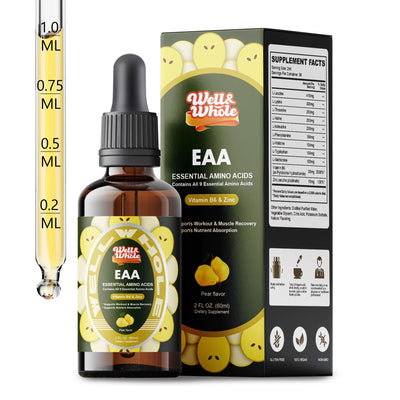
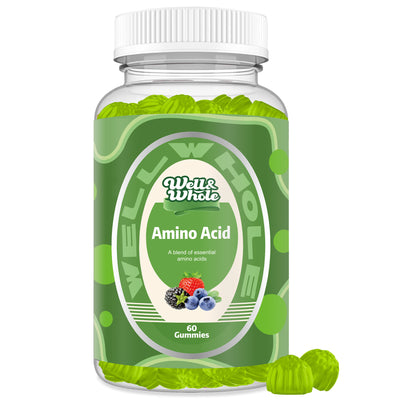
If you're ready to put this into practice, our EAA Gummie 60 counts Essential Amino Acids Supplement Gummies for Men and Women and Essential Amino Acid (EAA) Liquid Drops & Liver Support Liquid Supplement are formulated with this in mind. You can also compare the Amino Acids and Muscle Support ranges to find the format that suits you.
These statements have not been evaluated by the Food and Drug Administration. This product is not intended to diagnose, treat, cure, or prevent any disease.