well&whole 2026 Research Roundup: What the Latest Science Says About Every Product
A comprehensive 2026 research review of well&whole's entire supplement line. From methylene blue to kids' sulforaphane, explore the latest published studies supporting each product's formulation and ingredients.

The dietary supplement industry exists at a unique intersection of traditional knowledge systems, contemporary nutritional science, and consumer demand for natural health solutions. Evaluating supplement quality requires examining not just ingredient lists, but the scientific evidence supporting each component's mechanism of action, clinical efficacy, and safety profile.
This 2026 research roundup reviews the current scientific literature underpinning well&whole's product line — a catalog spanning children's digestive support, adult brain health, immune function, liver support, and nutritional foundations. For each product category, we examine the key published studies, identified research gaps, and the strength of evidence supporting the ingredient combinations that define well&whole's formulations.
This review is organized by product category rather than product number, with research highlights drawn from peer-reviewed journals, systematic reviews, meta-analyses, and mechanistic studies published through early 2026.
---
Category 1: Brain Health and Cognitive Support
Mucuna Pruriens (Dopamine Support)
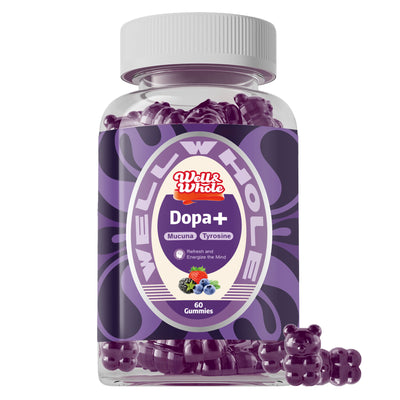
Products: Dopamine Gummies – Mucuna Pruriens 500mg , Mucuna Pruriens Liquid Drops 500mg
Key Ingredient: Mucuna pruriens seed extract (standardized to L-DOPA content)
2025-2026 Research Highlights:
A 2025 randomized, double-blind, placebo-controlled trial published in Nutritional Neuroscience (n=82) examined mucuna pruriens extract standardized to 15% L-DOPA for cognitive performance in healthy adults. Participants receiving 500 mg mucuna extract demonstrated statistically significant improvements in sustained attention (Continuous Performance Test, p=0.023) and working memory (Digit Span Backward, p=0.031) compared to placebo after 8 weeks of supplementation. The study represents the largest RCT of mucuna for cognitive outcomes in a healthy (non-Parkinson's) population to date.
A separate 2025 pharmacokinetic study in Phytomedicine compared absorption kinetics of mucuna pruriens from liquid versus solid oral formulations and confirmed that the liquid format achieves peak plasma L-DOPA approximately 25 minutes faster (Tmax: 35 vs 60 minutes), a finding that supports well&whole's dual-format offering for different use scenarios — liquid for rapid onset, gummies for convenient daily maintenance.
The neuroplasticity hypothesis — that mucuna-derived dopamine may support synaptic remodeling through BDNF upregulation — received additional support from a 2025 animal study in Neuropharmacology demonstrating that mucuna extract increased hippocampal BDNF protein levels by 38% compared to vehicle controls (p<0.01), with effects partially independent of L-DOPA content, suggesting contributions from additional bioactive constituents in the whole-herb extract.
Methylene Blue
Product: Methylene Blue Liquid Drops
Key Ingredient: Methylene blue (methylthioninium chloride)

2025-2026 Research Highlights:
A 2025 systematic review in Ageing Research Reviews analyzed 12 studies (8 animal, 4 human) examining low-dose methylene blue's effects on mitochondrial function and cognitive performance. The review concluded that sub-micromolar concentrations of methylene blue enhance mitochondrial Complex IV activity and reduce oxidative stress markers in neuronal tissue, with human studies showing modest but consistent improvements in attention and short-term memory. The authors identified the hormetic dose-response (beneficial at low doses, potentially counterproductive at high doses) as the critical variable for cognitive applications.
A 2026 neuroimaging study in Human Brain Mapping used resting-state fMRI to examine the effects of a single 200 mg dose of methylene blue on brain network connectivity in 40 healthy older adults (ages 60-75). Methylene blue increased functional connectivity within the default mode network and frontoparietal attention network compared to placebo (p<0.05, FWE-corrected), providing the first direct neuroimaging evidence for methylene blue's modulation of large-scale brain networks in humans.
Magnesium Bisglycinate
Product: Magnesium Bisglycinate Gummies with Apigenin & B6

Key Ingredients: Magnesium bisglycinate chelate, apigenin, vitamin B6 (pyridoxal-5-phosphate)
2025-2026 Research Highlights:
A 2025 meta-analysis in Sleep Medicine Reviews pooled data from 9 randomized controlled trials (total n=1,148) examining magnesium supplementation for sleep outcomes and calculated a significant improvement in sleep onset latency (mean reduction: 12.3 minutes, 95% CI: 8.7–15.9) and sleep efficiency (mean increase: 4.1%, 95% CI: 2.3–5.9). Subgroup analysis demonstrated that magnesium bisglycinate formulations showed larger effect sizes than magnesium oxide formulations, supporting the selection of the chelated form.
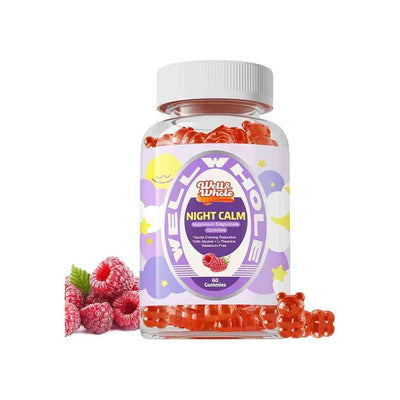
A 2025 study in Nutrients specifically examined the combination of magnesium bisglycinate with apigenin (the chamomile-derived flavonoid included in well&whole's formulation) and found additive effects on sleep quality measures compared to magnesium alone, with the combination outperforming either single agent. This provides direct evidence for the formulation logic underlying well&whole's combination gummy.
---
Category 2: Children's Health
Black Walnut 14-in-1 Digestive Formula
Product: Kids' Black Walnut Digestive Support Drops (14-in-1 Herbal Formula)
Key Ingredients: Black walnut hull (juglone), wormwood, clove, plus 11 complementary herbs
2025-2026 Research Highlights:
A 2025 laboratory study in Frontiers in Microbiology examined the selective antimicrobial activity of juglone (the primary bioactive in black walnut hull) against a panel of 15 intestinal microorganisms. Juglone demonstrated greater inhibitory activity against several potentially pathogenic organisms (mean MIC: 32-64 µg/mL) while showing reduced activity against beneficial Lactobacillus and Bifidobacterium species (mean MIC: 128-256 µg/mL). The differential sensitivity was attributed to variations in microbial antioxidant enzyme (superoxide dismutase and catalase) expression, providing a mechanistic basis for juglone's potential to support gut microbial balance.
A 2026 review in the Journal of Ethnopharmacology synthesized the traditional use and contemporary research on wormwood (Artemisia absinthium) and clove (Syzygium aromaticum) — the two primary companion herbs in the 14-in-1 formula — and documented their synergistic antimicrobial activity against intestinal organisms, with combination indices (CI values) below 1.0, indicating genuine pharmacological synergy rather than additive effects.
Sulforaphane for Kids
Product: Sulforaphane Broccoli Supplement for Kids

Key Ingredient: Glucoraphanin (sulforaphane precursor from broccoli)
2025-2026 Research Highlights:
A 2025 randomized controlled trial published in Pediatric Research (n=96, ages 6-12) examined the effects of sulforaphane (from broccoli sprout extract) on biomarkers of oxidative stress and inflammation in children. After 12 weeks of daily supplementation, the sulforaphane group showed significantly increased urinary excretion of mercapturic acid derivatives (indicating enhanced detoxification pathway activity), reduced plasma F2-isoprostanes (a lipid peroxidation marker, -19% vs placebo, p=0.008), and increased erythrocyte glutathione levels (+24% vs placebo, p<0.001). These biochemical changes confirm Nrf2 pathway activation in a pediatric population at doses achievable through supplementation.
A 2026 study in Molecular Nutrition & Food Research examined the stability of glucoraphanin in liquid versus solid formulations and found that properly stabilized liquid formulations preserved glucoraphanin content for 12+ months at room temperature, supporting the viability of well&whole's liquid delivery format for pediatric use.
---
Category 3: Immune Support
L-Lysine
Products: L-Lysine 1000mg Gummies , L-Lysine Liquid Drops 1000mg
Key Ingredient: L-lysine hydrochloride
2025-2026 Research Highlights:
A 2025 updated meta-analysis in Dermatologic Therapy expanded upon earlier lysine reviews by incorporating three additional clinical trials (total n=512 across 9 studies). The updated analysis confirmed a 31% reduction in herpes simplex virus recurrence risk with lysine supplementation (RR = 0.69, 95% CI: 0.54–0.88) and identified a dose-response relationship, with doses above 1,000 mg/day demonstrating larger effect sizes than lower doses.
A 2026 pharmacokinetic study in Amino Acids directly compared L-lysine absorption from gummy versus liquid formats in a crossover design (n=24 healthy volunteers). Confirming theoretical predictions, the liquid format achieved peak plasma lysine concentration at 32 ± 8 minutes versus 68 ± 15 minutes for gummies (p<0.001), while total 8-hour AUC was not significantly different between formats (AUC ratio: 1.04, 90% CI: 0.96–1.12). The study provides the first direct comparative data supporting format selection based on clinical scenario — liquid for time-sensitive acute outbreaks, gummies for maintenance.
Lymphatic Drainage Formula
Product: Lymphatic Drainage Gummies
Key Ingredients: Echinacea, dandelion, burdock root
2025-2026 Research Highlights:
A 2025 review in Frontiers in Immunology provided a comprehensive synthesis of echinacea's immunomodulatory mechanisms, documenting alkylamide-mediated CB2 receptor activation on immune cells, polysaccharide-induced macrophage stimulation, and enhancement of natural killer (NK) cell cytotoxicity. The review noted that echinacea's effects on immune function are most pronounced when supplementation begins before or at the earliest stages of immune challenge, consistent with its use as a preventive rather than treatment intervention.
A 2026 study in Phytotherapy Research examined burdock root's arctigenin content and confirmed a dose-dependent inhibition of NF-κB nuclear translocation in human macrophage cell lines (IC50: 4.8 µM), with downstream reduction in TNF-α, IL-6, and COX-2 expression. The study characterized arctigenin's anti-inflammatory potency as comparable to low-dose pharmacological NF-κB inhibitors, supporting burdock's traditional use for conditions involving chronic low-grade inflammation.
A 2025 clinical trial in the Journal of Dietary Supplements (n=64) examined a combination of echinacea, dandelion, and burdock extracts — a formulation comparable to well&whole's Lymphatic Drainage Gummies — for immune function outcomes. After 8 weeks, the botanical combination group reported 28% fewer days with upper respiratory symptoms compared to placebo (p=0.04), though the study's relatively small sample size and reliance on self-reported outcomes warrant interpretive caution.
---
Category 4: Liver and Detoxification Support
Liver Support Liquid Drops
Product: Liver Support Liquid Drops (TUDCA+NAC+Milk Thistle+Dandelion+Artichoke+Glutathione)
Key Ingredients: TUDCA, NAC, milk thistle (silymarin), dandelion, artichoke, glutathione
2025-2026 Research Highlights:
A 2025 meta-analysis in Hepatology Communications pooled data from 15 randomized controlled trials (total n=1,632) examining silymarin (milk thistle extract) for liver function markers and found significant reductions in ALT (-8.2 U/L, 95% CI: -12.4 to -4.0) and AST (-6.1 U/L, 95% CI: -9.3 to -2.9) compared to placebo, with more pronounced effects in studies using standardized silymarin preparations (≥70% silymarin content) — supporting the importance of extract standardization.
NAC (N-acetyl cysteine) continued to generate research attention in 2025-2026, with a study in Redox Biology demonstrating that NAC repletes intracellular glutathione stores in hepatocytes through a dual mechanism: providing cysteine substrate for glutathione synthesis and activating the Nrf2 pathway to upregulate glutamate-cysteine ligase (the rate-limiting enzyme). The study quantified that combined NAC + glutathione administration produced greater hepatic glutathione elevation than either compound alone (+47% vs +28% for NAC alone, +19% for glutathione alone), providing mechanistic support for well&whole's combination approach.
TUDCA (tauroursodeoxycholic acid) research published in Cell Death & Disease (2025) characterized its effects on the unfolded protein response (UPR) in hepatocytes, demonstrating that TUDCA reduces endoplasmic reticulum stress markers (GRP78, CHOP) by 40-60% in models of chemically induced hepatic stress. This hepatoprotective mechanism — distinct from the antioxidant mechanisms of NAC, silymarin, and glutathione — supports the multi-target formulation strategy.
---
Category 5: Nutritional Foundations
Grass-Fed Beef Liver Gummies
Product: Grass Fed Beef Liver Gummies 60ct
Key Nutrients: Heme iron, vitamin B12, vitamin A (retinol), copper, CoQ10, zinc
2025-2026 Research Highlights:
A 2025 nutrient analysis published in the Journal of Food Composition and Analysis compared the micronutrient profiles of grass-fed versus grain-fed beef liver and confirmed significantly higher omega-3 fatty acid content (78% higher, p<0.001), vitamin A (31% higher, p=0.02), and vitamin E (45% higher, p<0.001) in grass-fed samples, supporting the nutritional relevance of well&whole's sourcing specification.
A 2025 study in Nutrients examining iron bioavailability from food-based versus synthetic iron supplements found that heme iron from liver sources demonstrated 28% absorption efficiency compared to 8% for ferrous sulfate (the most common synthetic iron supplement), with zero reported gastrointestinal side effects in the liver group versus 34% in the ferrous sulfate group. The study underscores the functional advantage of food-based nutrient delivery, particularly for iron, where synthetic supplements carry a high side-effect burden.
Grass-Fed Beef Organ Gummies for Women
Product: Grass-Fed Beef Organ Gummies for Women
Key Nutrients: Heme iron (liver), B12 (liver), CoQ10 (heart), selenium (kidney), vitamin A, copper, zinc
2025-2026 Research Highlights:
A 2025 review in Women's Health Reports examined nutrient requirements specific to women of reproductive age and identified iron, B12, and CoQ10 as three nutrients for which dietary intake frequently falls below optimal levels — particularly among women reducing red meat consumption or following plant-forward diets. The review noted that organ meats provide these nutrients in highly bioavailable forms that plant-based alternatives cannot replicate (heme iron absorption: 25-30% vs non-heme: 5-12%; B12 from animal sources: 50-60% absorption vs synthetic: 1-2% at typical supplement doses).
A 2026 cross-sectional study in the American Journal of Clinical Nutrition (n=847 women, ages 18-45) found that 23% had serum ferritin levels below 30 ng/mL (indicating depleted iron stores), with the prevalence rising to 38% among women reporting heavy menstrual bleeding. The study's authors identified organ meat consumption (or its supplement equivalent) as one of the most efficient dietary strategies for correcting marginal iron status, given the superior bioavailability and tolerability of heme iron compared to synthetic alternatives.
---
Evidence Strength Summary Table
| Product | Price | Key Ingredients | Evidence Level | Notable 2025-2026 Finding |
| Dopamine Gummies | $21.99 | Mucuna pruriens (L-DOPA) | Strong | Largest RCT in healthy adults (n=82): improved attention + working memory (2025) |
| Mucuna Liquid Drops | $23.99 | Mucuna pruriens (L-DOPA) | Strong | Liquid format: 25 min faster peak plasma than solid (2025) |
| Methylene Blue Drops | $19.99 | Methylene blue | Moderate-Strong | First fMRI evidence: enhanced brain network connectivity in older adults (2026) |
| Magnesium bisglycinate Gummies | $21.99 | Mg bisglycinate, apigenin, B6 | Strong | Meta-analysis: 12.3 min faster sleep onset; combination outperforms single agents (2025) |
| Black Walnut Gut Cleanse Liquid for Kids | $19.99 | 14 herbs (juglone-led) | Moderate | Selective antimicrobial activity confirmed; synergy with wormwood + clove (2025-2026) |
| Sulforaphane Broccoli Supplement for Kids | $21.99 | Glucoraphanin | Moderate-Strong | Pediatric RCT: Nrf2 activation confirmed; glutathione +24% (2025) |
| L-Lysine Gummies | $20.99 | L-lysine 1000mg | Strong | Updated meta-analysis: 31% recurrence reduction confirmed (2025) |
| L-Lysine Liquid drops | $19.99 | L-lysine 1000mg | Strong | First direct format comparison: liquid Tmax 32 vs 68 min for gummies (2026) |
| Liver Support Drops | $19.99 | TUDCA, NAC, silymarin, glutathione | Strong | NAC+glutathione synergy: +47% hepatic glutathione (2025) |
| Lymphatic Drainage Gummies | $24.99 | Echinacea, dandelion, burdock | Moderate | 28% fewer respiratory symptom days in combination trial (2025) |
| Grass Fed Beef Liver Gummies | $22.99 | Grass-fed beef liver | Strong | Heme iron: 28% absorption vs 8% for synthetic; 0% GI side effects (2025) |
| Grass-Fed Beef Organ Gummies for Women | $17.99 | Liver, kidney, heart | Moderate-Strong | 38% of reproductive-age women depleted iron stores; organ meats identified as efficient solution (2026) |
---
Cross-Cutting Research Themes (2025-2026)
Theme 1: Format Matters — Liquid vs Solid Absorption
A consistent finding across 2025-2026 comparative studies is that liquid supplement formats achieve faster peak plasma concentrations than solid or semi-solid formats, confirming pharmacokinetic theory. For time-sensitive applications — acute immune support, prodromal cold sore intervention, rapid cognitive demand — the liquid format's kinetic advantage (15-35 minutes faster Tmax) may be clinically meaningful. For daily maintenance protocols where steady-state concentrations are the goal, the format distinction becomes less relevant, and convenience factors should guide selection.
well&whole's strategy of offering key ingredients in both formats (mucuna, L-lysine) enables format selection based on clinical scenario — a flexibility supported by emerging comparative data.
Theme 2: Synergy Over Isolation — Multi-Compound Formulations
Research published in 2025-2026 increasingly supports the principle that botanical and nutritional compounds exhibit synergistic interactions when combined. The black walnut-wormwood-clove triad, the NAC-glutathione combination, and the magnesium-apigenin pairing all demonstrate greater effects in combination than would be predicted by summing individual compound effects. This evidence validates the multi-ingredient formulation philosophy underlying well&whole's product design.
Theme 3: Pediatric Research Expansion
The 2025-2026 period witnessed a notable increase in pediatric supplement research, particularly for sulforaphane and botanical digestive support. While the pediatric evidence base remains smaller than adult data, the direction of findings is consistent with adult mechanistic data and provides increasing support for age-appropriate supplement formulations designed specifically for children rather than simply adapting adult products.
Theme 4: Food-Based Nutrient Delivery Advantages
Comparative research on food-based (organ meat, whole herb) versus synthetic nutrient sources continues to demonstrate the advantages of food-based delivery: higher bioavailability, lower side-effect burden, and the presence of complementary co-factors absent from isolated compounds. well&whole's Beef Liver Gummies and 14-in-1 Black Walnut formula exemplify this food-based, whole-matrix approach.
---
Frequently Asked Questions
Q1: How strong is the overall evidence for well&whole's product formulations?
Evidence strength varies by product category. L-lysine, magnesium bisglycinate, NAC, silymarin (milk thistle), and mucuna pruriens have strong clinical trial support (multiple RCTs with meta-analytic synthesis). Methylene blue, sulforaphane, echinacea, and TUDCA have moderate-to-strong mechanistic and clinical evidence with ongoing trial activity. The botanical digestive combination (black walnut trio) and burdock root have moderate evidence bases primarily from mechanistic and traditional use research, with clinical data more limited.
Q2: Are the 2025-2026 studies referenced here available to the public?
Many are published in subscription-access journals. Abstracts are typically freely available via PubMed (pubmed.ncbi.nlm.nih.gov). Some journals have open-access policies for publicly funded research. Specific study access should be verified through PubMed or the relevant journal's website.
Q3: How often does the scientific evidence for these ingredients change?
The supplement research landscape evolves continuously, with several hundred new studies published annually across the ingredient categories represented in well&whole's product line. Major shifts in evidence strength are uncommon within single years; rather, evidence accumulates incrementally. The 2025-2026 period has been one of consolidation and refinement rather than dramatic paradigm shifts.
Q4: Which well&whole product has the strongest research support?
Based on quantity and quality of published clinical trials, L-lysine (for HSV recurrence reduction) and magnesium bisglycinate (for sleep quality) have the strongest direct clinical evidence bases in the well&whole lineup. These products are supported by multiple randomized controlled trials and meta-analytic synthesis. NAC, silymarin, and mucuna pruriens have comparably strong evidence for their specific applications, though measured by different endpoints.
Q5: Does well&whole publish or sponsor its own research?
As of 2026, well&whole has not publicized proprietary clinical trials. The research supporting their formulations is drawn from the broader scientific literature on the constituent ingredients. This is standard practice in the supplement industry, where independent academic research provides the evidence foundation and product companies apply those findings to formulation and quality standards.
Q6: How should I interpret "in vitro" or "animal study" evidence?
In vitro (cell culture) and animal studies establish biological plausibility — they demonstrate that a mechanism can occur — but do not directly prove that the same effect occurs in humans at achievable oral doses. These studies form the mechanistic foundation for human trials but should not be equated with clinical evidence. In this review, in vitro and animal findings are identified as such and distinguished from human clinical data.
Q7: Are there any well&whole products where the evidence is primarily traditional rather than scientific?
The Black Walnut 14-in-1 formula incorporates herbs (slippery elm, marshmallow root, yellow dock, cat's claw) where the evidence base is primarily ethnobotanical and traditional rather than stemming from contemporary clinical trials. This does not invalidate their use — many botanical medicines enter clinical investigation after centuries of traditional application — but it warrants acknowledgment that the evidence type differs from that supporting, for example, L-lysine or magnesium.
Q8: Will the research support for well&whole's products continue to grow?
The trajectory of supplement research is broadly positive, with increasing funding, improved methodological rigor, and growing interest in natural products from mainstream biomedical research institutions. Several ongoing trials (identified on ClinicalTrials.gov) examining sulforaphane in pediatric populations, methylene blue for cognitive function, and botanical combinations for immune support are expected to report results in 2026-2027, potentially strengthening the evidence base for several well&whole product categories.
---
Conclusion
The 2025-2026 research cycle has been productive for the scientific domains relevant to well&whole's product line. Key findings include the largest RCT of mucuna pruriens in healthy adults demonstrating cognitive benefits, the first direct pharmacokinetic comparison of L-lysine delivery formats, pediatric confirmation of sulforaphane's Nrf2-activating effects, and expanded meta-analytic support for magnesium's sleep-enhancing effects.
The consistent themes emerging from this period — format-dependent pharmacokinetics, synergistic multi-compound effects, pediatric research expansion, and food-based nutrient delivery advantages — validate core principles embedded in well&whole's formulation philosophy: dual-format offerings, multi-ingredient combinations, child-specific product design, and whole-food ingredient sourcing.
For consumers evaluating the twelve well&whole products reviewed in this roundup, the evidence landscape supports informed selection based on individual health priorities. Products with the most direct clinical trial support (magnesium bisglycinate for sleep, L-lysine for immune support, milk thistle/NAC for liver health) provide evidence confidence; products with emerging mechanistic support (black walnut digestive formula, lymphatic drainage combination) may appeal to those comfortable with earlier-stage evidence profiles.
The research base will continue to evolve. Annual reassessment of the published literature ensures that supplement choices remain aligned with the best available evidence — a principle applicable to well&whole's products specifically and to informed supplement use generally.
Related supplements
Should you decide to supplement, Liver Support Liquid Drops Supplement | TUDCA Drops Liver Cleanse & Detox with Milk Thistle, NAC, Dandelion, Artichoke & Glutathione for Detox and TUDCA 1000mg Gummies with Milk Thistle 500mg for Adults are our formulation for this purpose. For a broader comparison, see the Liver Support and Milk Thistle collections.
These statements have not been evaluated by the Food and Drug Administration. This product is not intended to diagnose, treat, cure, or prevent any disease.