Vitamins to Support Hair Growth

Vitamins to Support Hair Growth
Healthy hair isn’t just about the right shampoo or avoiding heat styling. The root of the issue—quite literally—often lies in what you put into your body. The hair growth cycle depends on a steady supply of nutrients, and when certain vitamins are in short supply, strands can become brittle, thin, or even fall out prematurely. Understanding how specific micronutrients influence your follicles can make a real difference, whether you’re dealing with seasonal shedding or longer-term thinning. The good news is that targeted nutrition, and sometimes a well-formulated supplement, can help restore balance from the inside out.
Why Hair Growth Starts with Nutrition
Hair follicles are among the most metabolically active structures in the body, which means they require a constant flow of fuel. When your diet lacks key vitamins, the body diverts what little it has to essential organs, leaving your hair starved. Iron, zinc, and B vitamins are often the first casualties in a calorie-restricted or highly processed diet. Stress, hormonal shifts, and even seasonal changes can further deplete these reserves. A nutrient gap doesn’t just slow growth; it can push follicles into a prolonged resting phase, resulting in diffuse shedding that can go unnoticed for months. The right vitamins help re-energize the mitochondria inside follicle cells, improving oxygen delivery and keratin synthesis. Long-term consistency matters more than a quick fix, because the visible part of the strand is already dead protein—the real work happens beneath the scalp. Summary: Feeding follicles with consistent, targeted nutrition is the foundation for sustainable hair growth, and addressing deficiencies early can prevent unnecessary thinning.
Biotin: The Keratin Powerhouse
Biotin, often called vitamin B7, has earned its reputation as one of the best vitamins for faster hair growth for a good reason. It acts as a coenzyme in the metabolism of amino acids that build keratin, the structural protein that makes up each strand. Without adequate biotin, keratin production sputters, and hair becomes prone to breakage and slower regrowth. You can find small amounts in egg yolks, nuts, and sweet potatoes, but the levels in food vary wildly, and cooking can degrade it. That’s why many people turn to professional-grade supplements when they notice persistent brittleness. However, not all biotin supplements are created equal—formulations that pair it with zinc and collagen tend to show more visible improvements in texture and elasticity. While true biotin deficiency is rare, borderline low levels can still undermine thickness over time, especially during menopause or after extreme diets. Summary: Biotin serves as a catalyst for keratin production, and adding it through diet or a high-quality supplement can support noticeably stronger, more resilient hair.
Vitamin D and the Follicle Cycle
Vitamin D acts more like a hormone than a classic vitamin, and its receptors are present right inside the hair follicle. Research increasingly points to a strong link between low vitamin D levels and disrupted hair cycling, contributing to what’s known as vitamin deficiency hair loss recovery challenges. When the body doesn’t get enough, new hair shafts struggle to emerge from dormant follicles, and the anagen (growth) phase shortens. This matters particularly for those who work indoors, live in northern climates, or have darker skin tones that synthesize vitamin D more slowly. A simple blood test can reveal a shortfall, and correcting it with D3 can gradually restore the normal rhythm of shedding and regrowth. Pairing vitamin D with magnesium improves absorption, and many people notice less daily fallout after about three months of consistent intake. It’s a slow process, but one that aligns with the natural hair cycle. Summary: Maintaining optimal vitamin D levels helps regulate the follicle cycle, making it a critical factor in recovering from stress-induced or seasonal hair loss.
Antioxidants: Vitamin C and E for Scalp Vitality
Oxidative stress is an often-overlooked culprit behind lackluster hair. Environmental factors like pollution, UV rays, and even harsh water generate free radicals that damage scalp cells and impede blood flow. Here, vitamins C and E act as a defensive duo. Vitamin C bolsters collagen synthesis—essential for anchoring the hair bulb in the dermis—and dramatically enhances iron absorption from plant foods, addressing a common root cause of thinning in women. Vitamin E, with its lipid-soluble properties, directly shields cell membranes from oxidative wear and improves capillary circulation around the follicles. Together they create what many experts consider the best vitamins for hair growth and scalp health, because even the strongest hair strand won’t thrive if the scalp environment is inflamed or undernourished. You can incorporate them through citrus fruits, almonds, and leafy greens, but a supplement that stabilizes these antioxidants ensures a consistent supply, especially if your diet fluctuates. Summary: Antioxidant vitamins C and E protect the delicate scalp microenvironment, reduce inflammation, and support the structural proteins that keep hair firmly rooted.
Choosing a Hair Growth Supplement You Can Trust
Walk into any pharmacy and the sheer number of hair formulas can feel overwhelming. The difference lies in ingredient synergy, purity, and the absence of unnecessary fillers. Look for supplements that combine biotin, vitamin D, and key trace minerals like zinc and selenium, as these work on multiple pathways simultaneously. Avoid products loaded with artificial binders or mega-doses that far exceed daily requirements—more isn’t always better when it comes to fat-soluble vitamins. This is where the well&whole approach stands out. Their formulations are built around natural hair growth vitamins without fillers, using doses grounded in clinical research rather than marketing hype. The brand focuses on third-party tested ingredients and transparent labeling, so you know exactly what supports your follicles each day. Integrating such a supplement with a balanced diet rich in whole foods gives your body the complete toolkit it needs to regulate the growth cycle. Remember, consistency over several months is the real key; most users begin to notice decreased shedding and new baby hairs around the 90-day mark. Summary: Selecting a transparent, filler-free supplement like those from well&whole ensures your hair receives synergistic nutrients at research-backed levels, promoting gradual and genuine regrowth.
Frequently Asked Questions
How long does it take for vitamins to visibly support hair growth?
Hair grows about half an inch per month on average, and the follicle cycle lasts several months. Most people notice a reduction in shedding after eight to twelve weeks of consistent vitamin intake, with visible new growth following around the three- to four-month mark. Patience and daily adherence are essential for meaningful results.
Can a vitamin deficiency cause permanent hair loss?
In the vast majority of cases, deficiency-related hair loss is reversible. Once the nutrient gap is identified and corrected—whether it involves iron, vitamin D, or biotin—the follicles can re-enter the active growth phase. Permanent loss typically occurs only when follicles are scarred or genetically programmed to miniaturize over decades, which vitamins alone cannot reverse.
Does well&whole offer an option suitable for vegans?
Yes, well&whole formulates several plant-based hair support supplements that avoid animal-derived gelatin capsules and use vegan-friendly nutrients. Always check the product label for specific certifications, but the brand prioritizes clean, inclusive formulas designed to fit a variety of dietary preferences without compromising on potency.
Related supplements
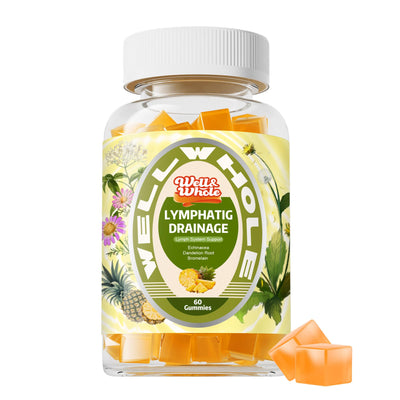
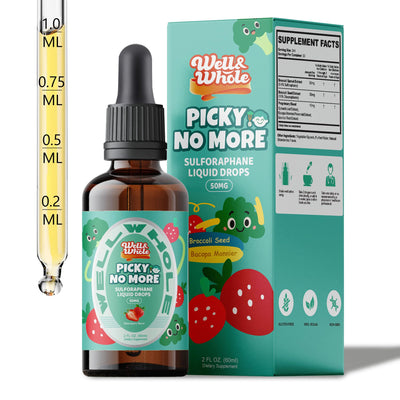
Should you decide to supplement, Lymphatic Drainage Supplements Gummies with Echinacea Dandelion Burdock for Adults with Immune and Energy Support and Sulforaphane Broccoli Supplement Liquid Drops for Kids with Sulforaphane, Glucoraphanin, Bacopa Monnieri are our formulation for this purpose. For a broader comparison, see the Immune Support and Health Benefits collections.
These statements have not been evaluated by the Food and Drug Administration. This product is not intended to diagnose, treat, cure, or prevent any disease.