Vitamin K2 Guide: The Overlooked Nutrient You May Need
Learn why vitamin K2 matters for bone and heart health, how it differs from K1, and how to choose a quality K2 supplement.

Most people know about vitamin K, but few understand the difference between vitamin K1 and vitamin K2. While K1 helps with blood clotting, K2 plays a unique role in calcium metabolism, bone health, and cardiovascular function.
Key Takeaways
- Vitamins and minerals are essential nutrients the body needs in small amounts for normal function.
- A supplement helps fill dietary gaps but works best with a varied diet.
- Follow labeled servings—more is not always better; consult a professional before high-dose use.
Vitamin K2, particularly the MK-7 form, has emerged as one of the most important yet overlooked nutrients for healthy aging. If you take calcium or vitamin D, understanding K2 is especially important.
This guide explains what vitamin K2 is, why MK-7 matters, and how to make sure you're getting enough.
What Is Vitamin K2?
Vitamin K2, or menaquinone, is a fat-soluble vitamin that helps regulate calcium in the body. Unlike vitamin K1, which primarily supports blood clotting, K2 activates proteins that direct calcium to the right places.
There are several forms of vitamin K2, but the most common in supplements are:
· **MK-4**: Found in animal products; has a short half-life.
· **MK-7**: Found in fermented foods; has a long half-life and is highly bioavailable.
MK-7 is the preferred form for supplementation because it stays in the bloodstream longer, allowing for less frequent dosing.
How Vitamin K2 Works
Vitamin K2 activates two key proteins:
Osteocalcin
Osteocalcin binds calcium to bone matrix. Without adequate K2, osteocalcin remains inactive, and calcium may not be properly incorporated into bones.
Matrix Gla Protein (MGP)
MGP helps prevent calcium from depositing in soft tissues, including arteries and kidneys. Active MGP supports arterial flexibility and cardiovascular health.
This dual action makes K2 essential for both skeletal strength and healthy circulation.
Health Benefits of Vitamin K2
Bone Health
Studies suggest that K2, especially MK-7, supports bone mineral density and reduces fracture risk in older adults. A 2013 meta-analysis found that MK-7 supplementation improved bone strength markers in postmenopausal women.
Cardiovascular Health
By activating MGP, K2 may help reduce arterial stiffness and support healthy blood vessels. The Rotterdam Study, published in 2004, found that higher dietary K2 intake was associated with reduced risk of arterial calcification and cardiovascular events.
Dental Health
K2 may support dental health by helping direct calcium to teeth and activating osteocalcin in tooth dentin.
Synergy With Vitamin D
Vitamin D increases calcium absorption, while K2 ensures calcium ends up in bones rather than arteries. Together, they offer comprehensive support for bone and cardiovascular health.
Vitamin K1 vs K2
Dietary Sources of K2
K2 is found in:
· Natto (fermented soybeans) — the richest source
· Hard and soft cheeses
· Egg yolks
· Butter from grass-fed cows
· Liver and organ meats
· Fermented vegetables
Most Americans consume very little K2 from diet alone, making supplementation a practical option.
Vitamin K2 Dosage and Safety
Common supplemental doses of MK-7 range from 100 mcg to 200 mcg per day. Some studies have used doses up to 360 mcg with good safety profiles.
Safety Considerations
· Vitamin K2 is generally safe and well-tolerated.
· People taking warfarin or other blood thinners should consult their doctor before taking K2, as it may interfere with medication.
· Unlike K1, K2 has minimal effect on blood clotting at typical supplemental doses.
FAQ
What is vitamin K2 good for?
Vitamin K2 supports bone health, cardiovascular health, and proper calcium metabolism by activating osteocalcin and matrix Gla protein.
What's the difference between K1 and K2?
K1 primarily supports blood clotting, while K2 directs calcium to bones and away from arteries.
What is MK-7?
MK-7 is a long-acting, highly bioavailable form of vitamin K2 commonly used in supplements.
Should I take K2 with vitamin D?
Yes. K2 works synergistically with vitamin D to support bone and cardiovascular health.
How much K2 should I take?
Most people take 100-200 mcg of MK-7 daily.
Can K2 reverse arterial calcification?
K2 may help slow or reduce arterial calcification by activating MGP, but it cannot reverse severe existing calcification.
Is K2 safe with blood thinners?
People taking warfarin should consult their doctor, as K2 can interfere with the medication.
What foods are highest in K2?
Natto, aged cheeses, egg yolks, and grass-fed butter are the best dietary sources.
Conclusion
Vitamin K2, especially MK-7, is a critical nutrient for anyone concerned about bone density, cardiovascular health, and healthy aging. It works hand-in-hand with vitamin D to ensure calcium is used effectively throughout the body.
well&whole offers vitamin D3 + K2 formulas that combine these synergistic nutrients in convenient daily doses. Adding K2 to your routine is a smart, evidence-based step toward long-term skeletal and heart health.
Related supplements
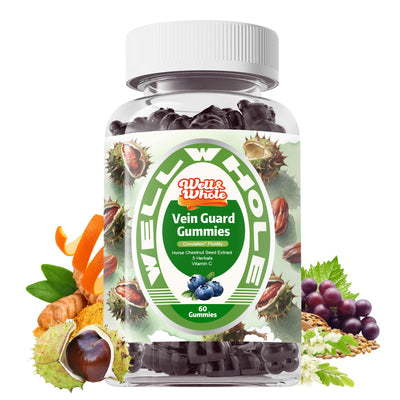
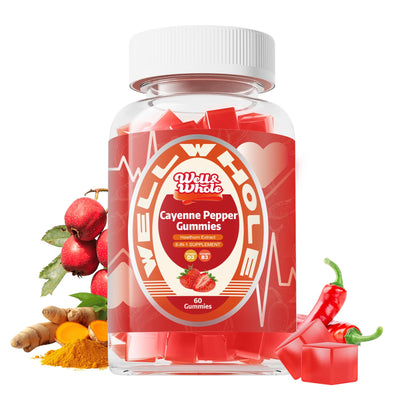
If you'd like to try it, well&whole Horse Chestnut Extract Gummies, Circulation Supplements for Legs and Cayenne Pepper Heart Health Gummies with Hawthorn & CoQ10 & Turmeric are the closest match to what we've covered here. Browse Heart Health and CoQ10 to see how the alternatives compare.
The role of vitamins and minerals
Micronutrients support normal immune function, energy metabolism, bone health, and countless enzymatic processes. Needs vary by age, diet, and life stage.
A supplement is meant to complement dietary intake from foods such as vegetables, lean proteins, and whole grains.
Who might be interested
Adults with restricted diets, higher needs, or low sun/dietary exposure to certain nutrients often consider targeted supplementation.
Life stages such as pregnancy or aging can shift requirements.
How to choose a quality vitamin or mineral
Look for the nutrient form (e.g., methylated B12, chelated minerals), clear amounts vs. daily value, and third-party testing.
Avoid mega-doses beyond labeled guidance unless advised by a professional.
How it may fit alongside a balanced diet
Think of supplements as a top-up, not a substitute. A varied, nutrient-dense diet remains the foundation.
This article is for general wellness education and is not intended to diagnose, treat, cure, or prevent any condition. Individual needs vary—always review product labels and consult a qualified healthcare professional before starting any new supplement.
These statements have not been evaluated by the Food and Drug Administration. This product is not intended to diagnose, treat, cure, or prevent any disease.