Vitamin E Benefits for Skin Hair and Whole Body Health
Discover vitamin E benefits for skin hair and health with science based tips food sources dosage safety and natural antioxidant support

How Vitamin E Works as an Antioxidant
Have you ever wondered what actually happens inside your body when you consume antioxidants? While the term gets thrown around constantly in wellness circles, understanding the biological blueprint of how vitamin e benefits your health on a cellular level changes how you look at nutrition.
At its core, this fat-soluble antioxidant operates as your body's primary line of defense against everyday cellular wear and tear. Let's break down exactly how it protects your cells from the inside out.
Neutralizing Free Radicals and Oxidative Stress
To understand why you need Vitamin E, you have to understand free radicals. These are unstable, highly reactive molecules triggered by everyday things like metabolism, pollution, alcohol, and UV rays. When free radicals run rampant, they steal electrons from healthy cells, causing a destructive cascade known as oxidative stress.
Vitamin E acts as a literal "chain-breaking" protector. Because it is a fat-soluble antioxidant, it can step directly into the path of these unstable molecules. It selflessly donates one of its own electrons to neutralize the free radical, stopping the cellular damage dead in its tracks before it can destroy healthy tissue.
Protecting Cell Membrane Stability
Every single cell in your body is wrapped in a protective barrier called a cell membrane, which is made up of delicate lipid (fat) layers. Free radicals love to attack these fats, a damaging process called lipid peroxidation that causes cell membranes to break down and leak.
- Deep Integration: Alpha-tocopherol (the most active form of Vitamin E) physically embeds itself right into these lipid layers.
- Structural Shielding: By sitting directly inside the cell wall, it prevents fats from oxidizing.
- Cell Longevity: This maintains the fluid, strong structure of your cell membranes, ensuring nutrients can get in and waste can get out.
The Cellular Recycling Loop with Vitamin C
One of the coolest parts of human biology is how nutrients work together. When Vitamin E neutralizes a free radical, it becomes "spent" and temporarily loses its antioxidant power. It cannot defend your cells again until it gets reset.
This is where Vitamin C comes in. As a water-soluble antioxidant floating outside the cell, Vitamin C interacts with the spent Vitamin E molecule, giving it an electron to regenerate it. This continuous cellular recycling loop allows a small amount of Vitamin E to provide ongoing, round-the-clock defense for your tissues.
Systemic Vitamin E Benefits: Protecting the Body Within
Vitamin E isn't just a skin remedy; it is a powerhouse fat-soluble antioxidant that shields your inner biology from daily wear and tear. By combating oxidative stress at a cellular level, it keeps your vital systems running smoothly as you age.
Immune System Modulation
As the body matures, immune responses naturally start to slow down. Vitamin E steps in to kickstart T-cell function, reinforcing your natural defenses against infections and environmental stressors. It keeps your immune cells agile and ready to defend.
Cardiovascular & Vascular Support
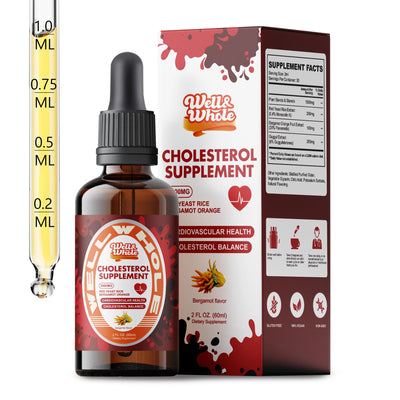
Your blood vessels take a lot of pressure, and oxidized cholesterol is a major culprit in arterial wear and tear. Vitamin E protects low-density lipoproteins (LDL) from oxidizing, which plays a major role in maintaining smooth, clear arterial walls and overall heart health. To complement your daily routine, incorporating targeted cholesterol support liquid drops can provide added defense for your vascular system.
Cognitive and Neurological Longevity
The brain consumes a massive amount of oxygen, making it highly vulnerable to free radical damage. Current scientific data shows that consistent Vitamin E levels help shield sensitive brain tissue from chronic oxidative stress, supporting sharper memory and long-term cognitive clarity.
Ocular Health
Your eyes endure constant exposure to light and oxygen. Vitamin E works alongside zinc and carotenoids to preserve retinal cells, helping to slow down age-related macular degeneration and keep your vision sharp.
Key Systemic Impacts at a Glance
| Body System | Primary Benefit | How It Works |
|---|---|---|
| Immune System | Better infection defense | Boosts T-cell replication and response |
| Cardiovascular | Arterial health support | Prevents LDL cholesterol oxidation |
| Neurological | Cognitive longevity | Protects brain tissue from oxidative damage |
| Ocular | Vision preservation | Safeguards retinal cells with zinc & carotenoids |
Vitamin E Benefits for Radiant Skin
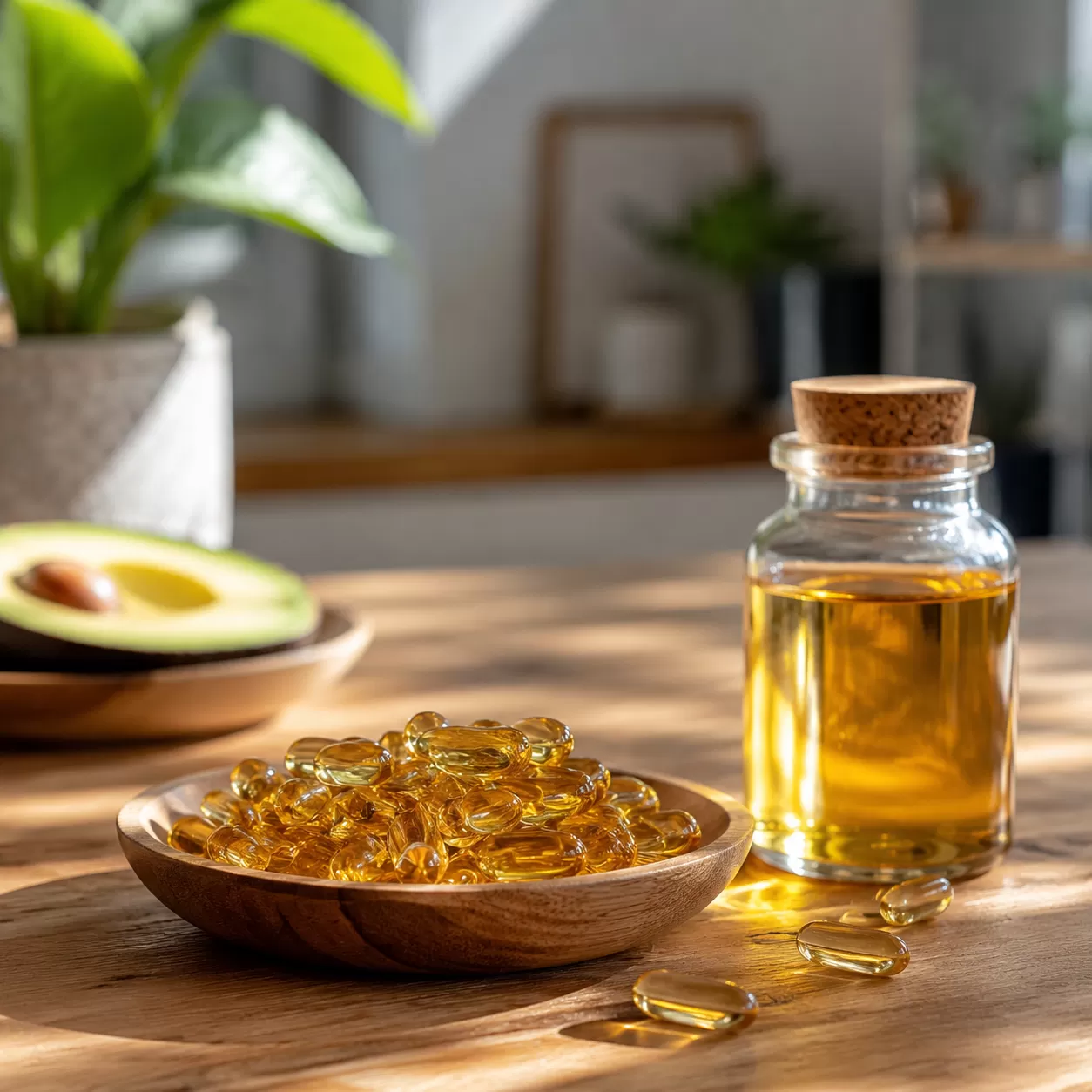
Vitamin E is a powerhouse for achieving a glowing, resilient complexion. When we look at vitamin e benefits for aesthetics, it acts as a built-in shield that preserves your skin's youthfulness and structural integrity.
Deep Hydration & Skin Barrier Repair
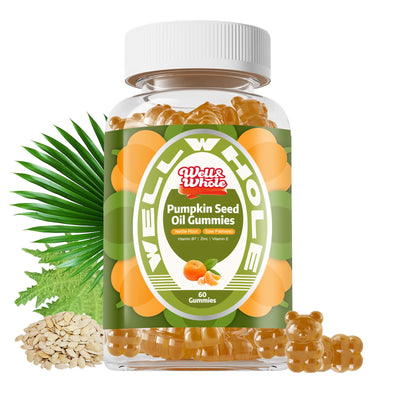
Your body has a natural delivery system for nutrients. Vitamin E is a fat-soluble antioxidant that your sebaceous glands secrete through sebum to the surface of your skin. This process creates a moisture-locking lipid barrier that seals in hydration and prevents dry patches. If you want to support this internal lipid delivery, incorporating nutrient-dense options like pumpkin seed oil gummies can aid overall skin barrier repair and keep your skin nourished from within.
Defending Against Photoaging
Chronic UV exposure accelerates skin aging by breaking down vital proteins. Vitamin E provides critical photoaging protection by neutralizing the free radicals generated by sun exposure.
- Collagen Preservation: Protects the structural matrix that keeps skin firm.
- Fine Line Reduction: Minimizes early signs of aging by maintaining cellular elasticity.
- Environmental Shield: Forms a reliable defense line against daily pollution and oxidative stress.
Hyperpigmentation Reduction and Cellular Repair
When it comes to fading dark spots and managing an uneven tone, Vitamin E assists in steady cellular repair. While popular culture heavily promotes topical vitamin e oil for surgical scars, clinical evidence shows mixed results for actual surgical markings. However, it genuinely excels at smoothing out general rough textures, soothing dry irritation, and driving noticeable hyperpigmentation reduction over time.
Skin Type Safety: Oily vs. Dry
Not everyone should apply pure Vitamin E directly to their face. It has a high comedogenic rating, meaning it can easily clog pores if used incorrectly.
| Skin Type | Recommended Delivery Method | Why it Matters |
|---|---|---|
| Dry / Flaky | Topical oils or rich creams | Deeply replenishes missing lipids and locks in surface moisture. |
| Oily / Acne-Prone | Oral whole-food sources & clean supplements | Avoids breakouts; pure topical oil can trigger severe pore congestion. |
For acne-prone skin, skip the heavy topical oils and stick to whole-food dietary intake or clean oral options to reap the skin-boosting benefits without risking breakouts.
Scalp & Hair Health: Vitamin E Benefits from the Roots
Healthy hair starts at the foundation. Using vitamin e benefits the scalp by creating a healthy environment for hair to grow, reducing breakage, and reviving dull strands.
Optimizing Scalp Circulation
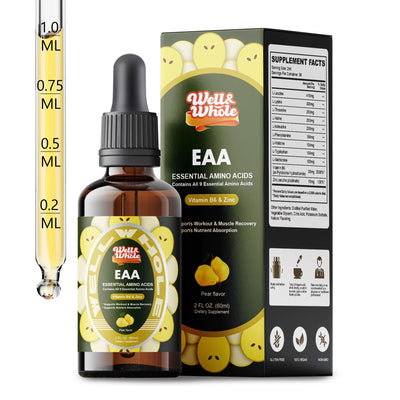
Vitamin E helps increase scalp circulation and capillary growth. By enhancing blood flow to the hair follicles, it ensures a steady, robust delivery of oxygen and essential nutrients. To support overall cellular health and nutrient uptake from the inside out, incorporating a clean essential amino acid EAA liquid into your daily routine can help provide the fundamental building blocks your body needs for tissue repair and growth.
Mitigating Hair Thinning
Oxidative stress on the scalp surface can age follicles prematurely, leading to increased shedding. As a powerful fat-soluble antioxidant, Vitamin E directly counters this free radical damage.
- Reduces oxidative stress on the skin of the scalp.
- Targets root vulnerability to minimize premature hair shedding.
- Protects lipid layers to keep the follicle environment stable and anchored.
The Shine Factor
Environmental wear and harsh styling strip away the hair's natural oils, leading to structural breakage and split ends. Vitamin E works to rebuild and restore the protective lipid layer of the hair shaft.
How it works: By locking in moisture at the core of the hair strand, it replaces brittle dryness with natural shine, elasticity, and long-lasting structural strength.
Whole-Food Architecture: The Best Dietary Sources of Vitamin E
Why Whole Foods Win Over Synthetic Supplements
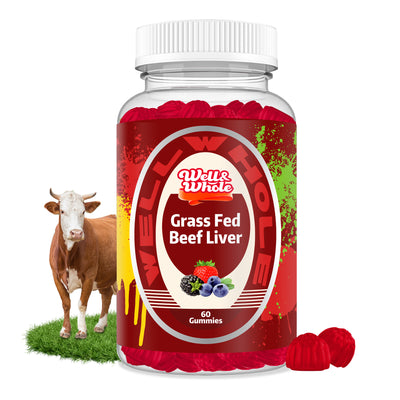
Getting your vitamin e benefits from whole foods is always superior to popping a synthetic pill. Real food delivers a natural complex of diverse tocopherols and tocotrienols that work together. Synthetic supplements usually contain only a single isolated form—typically DL-alpha-tocopherol—which the body doesn't absorb or utilize nearly as well as natural tocopherols. When you eat whole, nutrient-dense foods, you also get the healthy fats required to properly absorb this fat-soluble antioxidant. For an extra nutritional boost alongside your clean diet, adding whole-food concentrates like grass-fed beef liver supplement gummies can help round out your daily micronutrient intake.
Top Clean-Eating Vitamin E Rich Foods
To keep your cellular defense strong, prioritize these vitamin E rich foods in your daily meal prep. They are clean, accessible, and highly bioavailable:
| Food Category | Top Sources | Key Benefits |
|---|---|---|
| Oils & Seeds | Wheat germ oil, sunflower seeds, pumpkin seeds | Highest concentrated source of alpha-tocopherol per serving. |
| Nuts | Almonds, hazelnuts, pine nuts | Packed with nourishing carrier oils and healthy fats for optimal absorption. |
| Greens & Fruits | Spinach, Swiss chard, avocado, kiwi | Combines the antioxidant with vitamin C to create a continuous defense loop. |
Kitchen Wisdom for Maximum Absorption
How you prepare your food determines how much nutrition you actually get. Vitamin E is highly sensitive to oxygen and high heat. Deep frying or over-roasting degrades the delicate molecular structure of natural oils and nuts, stripping away their protective qualities. To minimize free radical damage and maximize nutrient delivery, enjoy your nuts and seeds raw or lightly sprouted. When cooking greens like spinach or chard, stick to a quick, light steam rather than a long boil to keep the vital nutrients intact.
Dosage, Deficiency, and Safety Guardrails for Vitamin E Benefits
The Recommended Dietary Allowance (RDA)
To safely unlock the full spectrum of vitamin e benefits, hitting the correct daily baseline is key. For most adults, the Recommended Dietary Allowance (RDA) is 15 mg (or 22.4 IU) of alpha-tocopherol per day. Pregnant women require the same amount, while breastfeeding individuals need a slightly higher bump to 19 mg daily to support both themselves and their infants.
Spotting Vitamin E Deficiency Symptoms
A true vitamin e deficiency is relatively rare in the United States, typically occurring in individuals who struggle to absorb dietary fat. However, when levels drop too low, the body flags distinct neurological warning signs that should not be ignored:
- Balance and coordination issues (ataxia)
- Peripheral nerve tingling or numbness in the extremities
- Muscle weakness and progressive motor difficulties
- Weakened immune response and vision changes
The Risks of Over-Supplementation
Because Vitamin E is a fat-soluble antioxidant, excess amounts are stored in body tissues rather than flushed out through urine. Going overboard with high-dose isolated pills can trigger severe complications.
High intake levels can conflict with Vitamin K absorption, which disrupts blood clotting and increases overall bleeding risks. Furthermore, massive doses can dangerously interact with prescription blood thinners, aspirin, and cardiovascular therapies. When building a safe, well-rounded wellness stack, it is critical to balance your fat-soluble intake while safely addressing other daily health needs with distinct options like magnesium taurate supplements for cardiovascular and muscle support. Always prioritize food-first nutrition to keep your body operating within safe boundaries.
Related supplements
If you want to explore this area, the Skin Health and Health Benefits collections cover the relevant supplements and formats.
Looking for a complete routine? See our Vitamin E.
These statements have not been evaluated by the Food and Drug Administration. This product is not intended to diagnose, treat, cure, or prevent any disease.