Vitamin D and Magnesium: Why They Work Together

Vitamin D cannot do its job without magnesium, because magnesium is the required cofactor for both enzymes that convert vitamin D into its active form. If magnesium runs low, vitamin D from sun or supplements can circulate without ever being fully switched on — which is one reason the two nutrients are best understood as a pair rather than separate bottles.
Key takeaways
- Two magnesium-dependent enzymes, 25-hydroxylase and 1-alpha hydroxylase, power each step of vitamin D activation.
- Roughly half of Americans take in less magnesium than estimated average requirements suggest, per NIH data.
- Very high-dose vitamin D without adequate magnesium may be less effective than the dose implies.
- Food-first magnesium plus a moderate vitamin D dose with a fat-containing meal covers most people.
How magnesium activates vitamin D
Vitamin D travels a two-step assembly line. Skin and sunlight (or a supplement) deliver cholecalciferol, the liver's 25-hydroxylase enzyme converts it to 25-hydroxyvitamin D — the form measured in standard bloodwork — and the kidneys' 1-alpha hydroxylase finishes the job by producing calcitriol, the hormonally active form that manages calcium absorption and bone maintenance. Both of those enzymes are magnesium-dependent; the mineral sits in the active site as an essential cofactor. Animal and cell research going back decades shows that magnesium depletion blunts every step of that pathway. In practical terms, the number on a lab report only reflects potential — magnesium determines how much of it becomes usable.
And the reverse: how vitamin D leans on magnesium
The relationship runs both ways. Active vitamin D increases intestinal absorption of minerals, including magnesium, and some research suggests that taking large vitamin D doses can increase magnesium utilization — the body spends magnesium to process the vitamin and to build the bone mineral that vitamin D helps deposit. There is also a documented pattern where aggressive vitamin D supplementation contributes to unexplained low magnesium in people whose intake was already marginal. The two nutrients sit in a feedback loop, and nudging one hard while ignoring the other is the classic setup for the loop jamming.
Why "vitamin D alone" sometimes stalls
Plenty of people take vitamin D for months, see their blood level creep up, and feel no different — or see their level refuse to rise much at all. Marginal magnesium status is one of the plausible explanations. NIH estimates indicate that about half of Americans consume less magnesium than the estimated average requirement, driven by diets light on beans, nuts, seeds, whole grains, and leafy greens. Older adults, people with regular alcohol intake, and those on proton-pump inhibitors or diuretics carry additional risk. None of this means vitamin D is pointless — it means the supporting cofactor deserves as much attention as the headline nutrient.
Choosing a magnesium form
Magnesium labels list a bewildering family of salts, and the differences are real but modest. Magnesium glycinate and magnesium citrate are well-absorbed general-purpose choices; citrate leans toward a laxative effect at higher doses, which some people use deliberately and others avoid. Magnesium taurate pairs magnesium with the amino acid taurine, a combination that has drawn interest for cardiovascular support — both magnesium and taurine have been studied in relation to healthy blood pressure maintenance — and it sits gently on the stomach. Magnesium oxide is cheap and widely sold but poorly absorbed, which is why it dominates laxative shelves more than supplement stacks. For a vitamin D companion, any well-absorbed form in the 200–300 mg elemental range with dinner is a reasonable default.

Food first, bottles second
Magnesium responds well to food sources: half a cup of cooked black beans carries about 60 mg, an ounce of almonds about 80 mg, pumpkin seeds top 150 mg per ounce, and spinach, cashews, dark chocolate, and whole grains fill in the rest. Vitamin D is trickier to eat — fatty fish, egg yolks, and fortified milk are the main foods — which is why modest supplementation is so common. The food-first approach delivers magnesium with the potassium, fiber, and folate that rarely travel with it in a capsule, and a 2022 randomized trial in people with low dietary magnesium found food-based magnesium improved vitamin D status more consistently than supplemental doses did. Food and bottles are not rivals here; the food carries the cofactor, the bottle covers the vitamin.
How to take them together
Timing is easy: vitamin D is fat-soluble, so it absorbs best with a meal that contains some fat, and magnesium tolerates food better than an empty stomach — dinner covers both. People with kidney disease should not start magnesium or high-dose vitamin D without medical guidance, because the kidneys govern both minerals' balance. And if a 25-hydroxyvitamin D test stays stubbornly low despite months of supplementation, that is labwork-and-doctor territory rather than a cue to keep raising the dose on your own.
Frequently asked questions
Can I take vitamin D and magnesium at the same time?
Yes — there is no absorption conflict between them. Taking both with an evening meal that includes some fat is the simplest routine, and magnesium with food also reduces the loose-stool effect some people notice.
Does magnesium help vitamin D absorption?
More precisely, magnesium enables vitamin D activation: without magnesium-dependent enzymes, the vitamin circulates in inactive forms. Adequate magnesium status is what lets the liver and kidney steps run at full capacity.
How much magnesium do most adults need?
NIH recommended dietary allowances land around 310–420 mg per day for adults depending on age and sex, with men generally on the higher end. Most people can approach that through food — beans, nuts, seeds, whole grains, leafy greens — before reaching for a bottle.
Which should I test: vitamin D or magnesium?
Vitamin D has a standard blood test (25-hydroxyvitamin D) that most checkups can add. Magnesium blood levels are a poor reflection of body stores, since most magnesium lives inside cells and bone, so clinicians usually judge it from diet history and context instead.
Related supplements
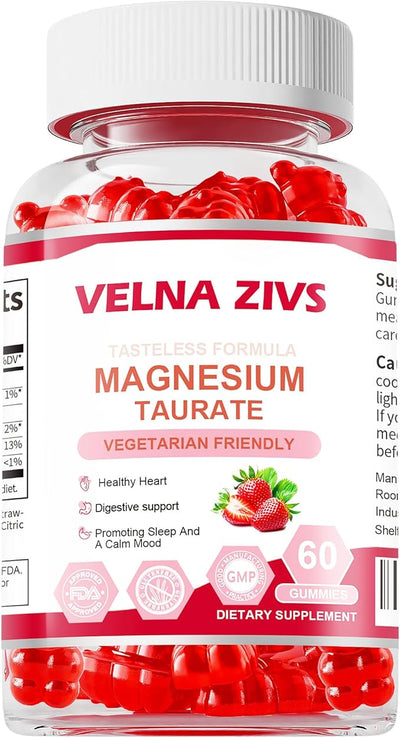
Should you decide to supplement, Magnesium Taurate Gummies 1800mg, Magnesium Taurate Supplement, High Absorption& chewable for Kid and Adults, is our formulation for this purpose. For a broader comparison, see the Magnesium Taurate and Magnesium collections.
These statements have not been evaluated by the Food and Drug Administration. This product is not intended to diagnose, treat, cure, or prevent any disease. Talk to a healthcare professional before starting any new supplement, especially if you are pregnant, nursing, taking medication, or managing a health condition.