Vitamin B12 Vitamin Benefits Guide Sources and Deficiency
Discover B12 vitamin benefits for energy\, brain health\, anemia prevention\, deficiency signs\, sources\, and safe supplement options

Top 6 Science-Backed Benefits of Vitamin B12
When we talk about maintaining baseline health, vitamin b12 benefits impact nearly every major system in the body. Also known as cobalamin, this essential micronutrient keeps our cells firing properly. Because our bodies cannot produce it naturally, getting enough through diet or supplementation is non-negotiable.
Red Blood Cell Formation and Anemia Prevention
Vitamin B12 is a foundational element in red blood cell formation. Without adequate levels, your body cannot produce these cells correctly, causing them to develop into an oversized, irregular shape. This structural flaw prevents them from leaving the bone marrow at a normal rate, leading to megaloblastic anemia. Because these malformed cells cannot efficiently transport oxygen to your organs, the result is chronic, heavy fatigue.
Preventing Nerve Damage and Neuropathy
Your nerves are wrapped in a protective coating known as the myelin sheath. Think of it like the plastic insulation on an electrical wire. Vitamin B12 directly oversees the production of this coating. A prolonged deficiency degrades this insulation, leading to peripheral neuropathy—which feels like a persistent tingling, numbness, or "pins and needles" sensation in your hands and feet.
Warding Off Cognitive Decline and Brain Fog
Your brain relies on B12 for neurotransmitter synthesis, the process that creates mood-regulating chemicals like serotonin and dopamine. Low levels disrupt this communication network, heavily contributing to cognitive decline and brain fog. Maintaining optimal levels preserves brain volume and supports memory retention as you age.
| Health Area | Role of Vitamin B12 | Impact of Deficiency |
|---|---|---|
| Blood Health | Drives healthy red blood cell division | Megaloblastic anemia, chronic fatigue |
| Nervous System | Rebuilds and maintains the myelin sheath | Nerve damage, numbness, neuropathy |
| Brain & Mood | Fuels neurotransmitter synthesis | Brain fog, mood shifts, mental decline |
DNA Synthesis and Cellular Fuel
Every single cell in your body requires Vitamin B12 for DNA synthesis. On a daily operational level, B12 acts as a coenzyme that helps your cells metabolic pathways convert carbohydrates, fats, and proteins into usable cellular energy. While it is not a direct stimulant, it is the primary gear that transforms the food you eat into daily physical fuel.
Fetal Development and Pregnancy Support
During pregnancy, Vitamin B12 works in tandem with folate (Vitamin B9) to build the fetal central nervous system. A lack of B12 during these critical early stages increases the risk of birth defects, such as neural tube defects, and can contribute to premature birth. Proper maternal supplementation ensures the cellular foundations are built correctly.
Lowering Homocysteine Levels to Protect Vision
High levels of an amino acid called homocysteine are heavily linked to cardiovascular issues and age-related macular degeneration (AMD), a leading cause of vision loss. Vitamin B12 helps break down and clear excess homocysteine levels from the bloodstream. Keeping this amino acid in check helps preserve the delicate blood vessels in the retina, reducing your risk of long-term vision decline.
The Energy and Weight Loss Myth: Clarifying the Hype
Does B12 Instantly Boost Energy?
There is a massive misconception that Vitamin B12 acts like a caffeine shot or a stimulant. It does not. The true b12 vitamin benefits related to energy only apply if you are already running low on this nutrient.
- The Reality: B12 is crucial for red blood cell formation and metabolic function, helping your body turn food into usable fuel.
- The Caveat: If your levels are normal, taking extra B12 won't give you an immediate surge of energy or cure everyday tiredness. It simply corrects a slump if a deficiency is holding your body back.
B12 Shots for Weight Loss: Truth vs. Marketing Gimmicks
Many clinics heavily promote B12 shots for weight loss, but the science tells a different story.
- No Direct Fat Burning: Vitamin B12 does not actively burn fat cells or jumpstart your metabolism on its own.
- The Placebo and Lifestyle Effect: Weight loss success tied to B12 injections usually comes from the comprehensive diet and exercise programs paired with the treatment, not the vitamin itself.
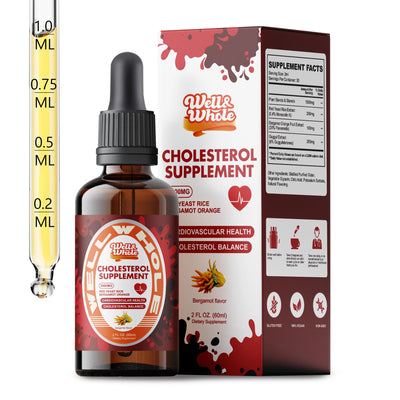
While keeping your nutrient levels balanced supports overall metabolic health—much like managing your cardiovascular system with targeted choices like cholesterol support liquid drops—B12 is not a magic weight loss bullet. It keeps your cellular machinery running smoothly, but it won't melt away pounds without a calorie deficit.
The Complex Journey of B12 Absorption (Why Many People Run Low)

Getting enough vitamin B12 benefits your entire body, but consuming it is only half the battle. Unlike many other nutrients, cobalamin requires a highly complex, two-step digestive process to be absorbed effectively. If any part of this journey goes wrong, a deficiency can quickly develop, even if you are eating B12-rich foods.
The Two-Step Stomach Process
Your body cannot absorb vitamin B12 in its raw form. The absorption process relies heavily on a healthy gastric environment:
- Step 1 (Stomach Acid): When you eat food containing B12, hydrochloric acid and enzymes in your stomach must first unbind the vitamin from the protein it is attached to.
- Step 2 (Intrinsic Factor): Once freed, the B12 must bind with intrinsic factor, a special protein made by the stomach lining. This combined pair travels down to the small intestine, where it is finally absorbed into the bloodstream.
Who is Most At Risk for Deficiency?
Because this pathway is so fragile, several groups of people face a much higher risk of developing a vitamin B12 deficiency:
- Vegans and Vegetarians: Since plant foods do not naturally contain cobalamin, those on strict plant-based diets frequently run low without regular supplementation.
- Older Adults: As we age, our stomachs naturally produce less stomach acid, making it incredibly difficult to separate B12 from food proteins.
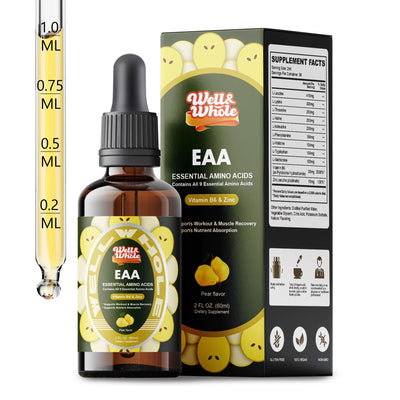
- Individuals with GI Issues: Conditions like Celiac disease, Crohn's disease, and leaky gut inflame the digestive tract and destroy the areas where B12 is absorbed. While rebuilding gut health, optimizing overall cellular health with clean supplements like essential amino acid liquid can support everyday tissue repair and systemic wellness.
Pharmaceutical Depletors
Common medications can inadvertently block your body from absorbing this essential nutrient.
| Medication Type | Common Examples | How It Blocks B12 |
|---|---|---|
| Proton Pump Inhibitors (PPIs) | Omeprazole, Lansoprazole | Suppresses stomach acid, preventing B12 from separating from food. |
| H2 Blockers | Famotidine | Reduces gastric acid production, halting the first step of absorption. |
| Diabetes Medication | Metformin | Interfers with the calcium-dependent absorption of the B12-intrinsic factor complex in the ileum. |
Pernicious Anemia: The Autoimmune Roadblock
In some cases, the body actively fights its own absorption machinery. Pernicious anemia is an autoimmune condition where the immune system attacks the parietal cells in the stomach that produce intrinsic factor. Without intrinsic factor, the body simply cannot absorb cobalamin, no matter how much is consumed through food. This condition completely bypasses normal digestion and typically requires high-dose sublingual supplements or regular intramuscular B12 shots to keep levels stable and avoid nerve damage.
Spotting the Warning Signs: Vitamin B12 Deficiency Symptoms
Recognizing a Vitamin B12 deficiency early can prevent long-term complications. Because our bodies rely on this nutrient for critical cellular functions, a drop in levels shows up across your energy, skin, and nervous system.
Early Signs of Low B12
When your stores begin to deplete, the initial red flags are often easy to dismiss as everyday stress or lack of sleep:
- Persistent Fatigue: A bone-deep exhaustion that doesn't improve with rest, often caused by your body's inability to produce enough red blood cells to transport oxygen.
- Muscle Weakness: Feeling physically drained or finding routine lifting and movement unusually difficult.
- Mild Brain Fog: Subtle cognitive drift, trouble finding words, or difficulty focusing on daily tasks.
Physical Markers to Watch For
As a deficiency progresses, explicit physical symptoms emerge. Your skin and mouth often provide the first visible clues:
- Pale or Jaundiced Skin: A distinct lack of color or a slight yellow tinge to the skin and the whites of the eyes, resulting from fragile red blood cells breaking down.
- Glossitis: A swollen, inflamed tongue that loses its tiny bumps (papillae), appearing completely smooth, red, and painful.
- Mouth Ulcers: Frequent, painful canker sores that disrupt eating and talking.
Advanced Neurological Signs
Leaving a deficiency unchecked can lead to nerve damage and neurological issues. When the myelin sheath—the protective coating around your nerves—begins to degrade, you may experience:
- Dizziness and Loss of Balance: Feeling unsteady on your feet or experiencing a frequent spinning sensation, which impacts coordination.
- Pins and Needles: A tingling or numbness in the hands and feet, signaling early neuropathy.
- Chronic Mood Shifts: Unexplained irritability, anxiety, or deep mood changes linked to disrupted neurotransmitter synthesis.
If you are dealing with chronic fatigue and sluggishness from nutrient gaps, supporting your body with target cellular nutrients like methylene blue liquid drops can help clean up cellular waste and reboot mitochondrial energy production while you correct your baseline deficiencies.
How to Get Enough Vitamin B12: Dietary Sources vs. Supplement Options
Getting enough vitamin B12 is essential for your energy, brain health, and red blood cell production. Since our bodies don't make it naturally, we have to get this essential nutrient from our diet or high-quality supplements.
Whole-Food Animal Sources
The most bioavailable forms of cobalamin are found naturally in animal products. If you eat animal protein, hitting your daily goals is relatively straightforward.
- Clams and Seafood: Exceptional sources of B12, along with omega-3 fatty acids.
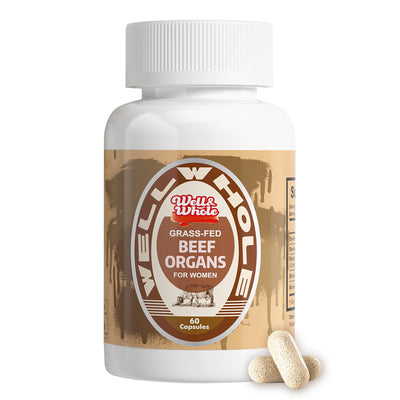
- Organ Meats: Beef liver is the ultimate nutritional powerhouse for B-complex vitamins. For a clean, convenient way to add these dense nutrients to your routine without the strong taste, you can try our grassfed beef organ supplement capsules or grab our easy-to-take grass-fed beef liver supplement gummies.
- Poultry and Eggs: Accessible daily staples that provide a steady baseline of B12.
| Animal Source | B12 Content (Per Serving) | Bioavailability |
|---|---|---|
| Clams | Extremely High | Excellent |
| Beef Liver | Exceptionally High | Outstanding |
| Salmon | High | Excellent |
| Whole Eggs | Moderate | Good |
Plant-Based Alternatives
Because natural vitamin B12 is exclusive to animal products, anyone on a strict plant-based diet must look to alternative options to prevent a vitamin B12 deficiency.
- Nutritional Yeast: A popular vegan staple with a cheesy flavor, often fortified with B vitamins.
- Fortified Foods: Plant milks (oat, almond, soy) and breakfast cereals with added cobalamin.
Supplements Demystified: Methylcobalamin vs. Cyanocobalamin
When looking at supplement labels, you will generally run into two main forms of B12:
- Methylcobalamin: This is the naturally occurring, active form of the vitamin. It boasts superior tissue retention and doesn't require any conversion steps by your liver, making it highly efficient for your body to use immediately.
- Cyanocobalamin: A synthetic, more stable form of B12 made with a cyanide molecule. While it is cheaper and widely available, your body must expend energy to convert it into an active form.
Delivery Methods
Finding the right delivery method depends on your absorption capacity and lifestyle preferences.
- Oral Capsules and Gummies: Great for general maintenance and daily wellness routines.
- Sublingual Melts: Dissolved under the tongue, bypassing the stomach acid barrier for direct bloodstream absorption.
- Intramuscular B12 Shots: Typically prescribed by healthcare professionals to rapidly reverse severe deficiency or bypass profound gut issues entirely.
Dosage, Safety, and "Can You Take Too Much?"
When looking at the b12 vitamin benefits, getting the right amount is key to keeping your energy and nervous system running smoothly. Luckily, this nutrient is highly forgiving, but knowing your baseline helps you optimize your daily routine.
The Recommended Daily Allowance (RDA)
Your daily requirements change depending on your stage of life. The standard guidelines for Americans look like this:
- Adults (Men and Women): 2.4 mcg per day
- Pregnancy: 2.6 mcg per day
- Lactation: 2.8 mcg per day
The Safety Margin of a Water-Soluble Vitamin
Can you take too much? Because Vitamin B12 is a water-soluble vitamin, your body naturally flushes out any excess through your urine. There is no established Upper Intake Level (UL) because it carries an incredibly low toxicity risk. Even high-dose supplements are generally safe, as your gut simply scales down absorption when it has had enough. While optimizing your systemic health, keeping your digestion clear is equally important—many people pair their vitamin routines with targeted gut care like slippery elm liquid drops to ensure smooth nutrient processing.
When to See a Doctor
If you suspect a deficiency due to fatigue or brain fog, don't guess. Ask your doctor for a standard serum B12 blood panel. Testing gives you an exact baseline so you can tailor your diet or supplementation accurately.
Frequently Asked Questions About Vitamin B12 Benefits
How long does it take for Vitamin B12 to start working?
If you have a severe Vitamin B12 deficiency, you will likely start feeling an improvement in your energy levels within a few days to a few weeks of starting treatment. For deep-seated issues like nerve damage and neuropathy, it can take several months of consistent supplementation to notice a significant difference.
Can I get enough B12 on a strict vegan diet without supplements?
No. Cobalamin is only naturally found in reliable amounts in animal-derived foods. While some plant-based options like nutritional yeast and fortified foods can help, a strict vegan diet almost always requires a high-quality supplement to avoid serious long-term health risks.
What is the difference between methylcobalamin and cyanocobalamin?
The main difference lies in how your body handles them. Methylcobalamin vs cyanocobalamin comes down to natural form versus synthetic stability.
| Feature | Methylcobalamin | Cyanocobalamin |
|---|---|---|
| Source | Natural form | Synthetic form |
| Bioavailability | Highly bioavailable, pre-methylated | Must be converted by the body |
| Retention | Stays in tissues longer | Easier to manufacture and stable |
Do B12 shots actually help you lose weight?
No. The idea behind B12 shots for weight loss is mostly a marketing gimmick. Vitamin B12 helps transform fats and carbs into usable daily fuel through DNA synthesis and cellular metabolism, but it does not directly burn fat or boost your metabolism unless you are correcting an actual deficiency.
What blocks the absorption of Vitamin B12 in the gut?
Several factors can derail the complex journey of B12 absorption. A lack of intrinsic factor due to an autoimmune condition causes pernicious anemia, completely blocking absorption. Additionally, gastrointestinal issues, weight loss surgeries, and daily medications like Metformin or proton pump inhibitors (PPIs) frequently block your body from utilizing this crucial water-soluble vitamin. While managing your gut health with foundational nutrients like magnesium taurate gummies supports overall cellular function, targeted B12 delivery methods like sublingual melts or shots are often necessary when gut absorption is compromised.
Related supplements
If you want to explore this area, the Vitamin B and Vitamins collections cover the relevant supplements and formats.
These statements have not been evaluated by the Food and Drug Administration. This product is not intended to diagnose, treat, cure, or prevent any disease.