Vitamin B12 Dosage for Adults Guide Safe Daily Intake
Discover optimal vitamin B12 dosage for adults including RDA\, high dose safety\, forms\, absorption\, and needs for vegans and adults over 50

When managing your daily health routines, figuring out the exact vitamin b12 dosage for adults can feel like moving a target. You hear about massive doses in the thousands of micrograms, yet official guidelines tell a completely different story. Let’s break down the actual baseline numbers established by health authorities and what they mean for your daily diet.
Recommended Dietary Allowance (RDA) for Vitamin B12
The Recommended Dietary Allowance (RDA) represents the minimum amount of a nutrient your body needs to maintain basic functions like red blood cell production and proper nerve signaling. For standard adults, that target baseline is surprisingly tiny.
| Life Stage | Daily Microgram (mcg) Requirements |
|---|---|
| Adults (Ages 19+) | 2.4 mcg |
| During Pregnancy | 2.6 mcg |
| While Breastfeeding | 2.8 mcg |
Life Stage Adjustments
While the raw baseline for standard adults rests at 2.4 mcg, certain physiological shifts require minor baseline adjustments. Pregnant and lactating individuals require slightly higher intakes to support fetal growth and milk composition. However, the most significant real-world adjustment comes as we age. For adults over 50, the amount needed doesn't drastically change on paper, but the bodily efficiency to extract it from food drops, creating a wider gap between what you consume and what you actually absorb.
Dietary Realities
In the United States market, meeting the baseline through a traditional diet relies entirely on your regular grocery choices. Vitamin B12 does not naturally exist in plant foods. It is bound to animal proteins, meaning your main natural options are heavily concentrated in specific sources:
- Animal products: Beef liver, clams, wild salmon, ground beef, and dairy products.
- Fortified options: Specific breakfast cereals, fortified plant milks, and nutritional yeast.
If your daily meals do not regularly feature these foods, relying on the standard dietary baseline alone won't keep your systemic levels where they need to be.
The Absorption Bottleneck: Why Vitamin B12 Dosage for Adults Is So High
Ever wonder why a standard vitamin b12 dosage for adults on a supplement label is often 1,000 mcg or more, when the daily requirement is so small? It all comes down to a major absorption bottleneck in the human digestive tract.
The Intrinsic Factor Gatekeeper
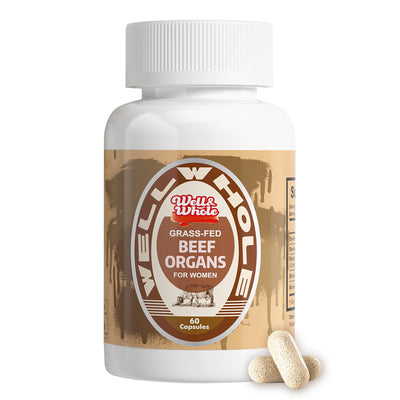
Your body doesn’t just soak up vitamin B12 automatically. It relies heavily on intrinsic factor absorption, a special protein produced in the stomach. Intrinsic factor binds to B12 so it can be absorbed in the small intestine. However, this system has a strict limit. The body can only handle about 1.5 to 2 micrograms of B12 at a time through this primary pathway. If you rely on whole-food nutrition like a nutrient-dense grassfed beef organ supplement, your body utilizes this natural, highly bioavailable pathway efficiently.
Passive Diffusion Explained
Once the intrinsic factor pathway is completely saturated, your body has to rely on a secondary method called passive diffusion. This is a passive transport process where B12 simply diffuses through the intestinal wall on its own.
- The Catch: The efficiency rate of passive diffusion is incredibly low—only about 1% of the total dose is absorbed this way.
- The Math: To ensure your body actually absorbs a sufficient daily microgram (mcg) requirement, manufacturers must pack massive doses into oral supplements.
- The Result: A 1,000 mcg oral tablet usually yields only about 10 to 12 mcg of actual absorbed B12.
Types of Supplements
Because of this bottleneck, choosing the right delivery method matters. Adults looking to optimize their serum vitamin b12 levels generally choose between a few main formats:
| Supplement Type | Absorption Route | Ideal For |
|---|---|---|
| Oral Tablets & Capsules | Intrinsic factor + low passive diffusion | General daily maintenance |
| Sublingual B12 Supplements | Absorbed under the tongue + swallowed | Those with minor gut issues |
| Vitamin B12 Injections Dosage | Bypasses the gut entirely (100% systemic) | Severe pernicious anemia treatment & major malabsorption |
Tailored Dosages: How Much Vitamin B12 Dosage for Adults Do You Actually Need?

The ideal vitamin B12 dosage for adults isn't a one-size-fits-all number. While the baseline requirement keeps your body ticking, specific life stages, dietary choices, and health conditions demand highly customized approaches to prevent a vitamin B12 deficiency.
The Plant-Based Community (Vegans & Vegetarians)
Because B12 is primarily found in animal products, those on a plant-based diet cannot rely on vegan B12 food sources like fortified milks or nutritional yeast alone to hit optimal levels.
- Daily Option: A daily sublingual B12 supplement providing 250 mcg ensures adequate absorption.
- Weekly Option: A twice-weekly dose of 1,000 mcg to 2,500 mcg takes advantage of passive diffusion to keep your stores full.
Adults Over Age 50
As we age, stomach acid production naturally drops, leading to severe malabsorption over 50. This makes it incredibly difficult to split B12 from food proteins.
- The Recommendation: Adults over 50 should get at least 500 mcg to 1,000 mcg of crystalline vitamin B12 daily through supplements or fortified foods.
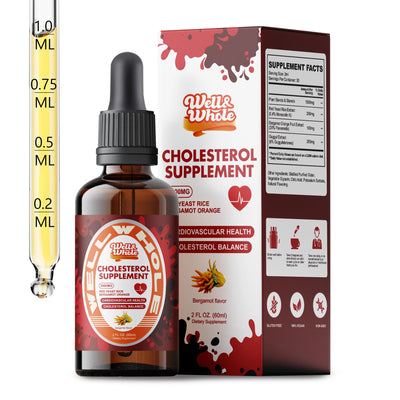
- The Focus: At this stage, maintaining healthy red blood cell production and nervous system function requires bypassing standard digestive barriers. If you are managing your overall cellular health and blood pressure, pairs well with routine cardiovascular support like specialized cholesterol support liquid drops.
Therapeutic Dosing for Deficiencies
When clinical serum vitamin B12 levels drop too low, standard daily microgram requirements won't cut it. Correcting an actual depletion requires aggressive, therapeutic strategies.
| Condition / Status | Typical Dosage Strategy | Primary Goal |
|---|---|---|
| Mild Deficiency | 1,000 mcg daily (Oral/Sublingual) | Rebuild depleted liver stores |
| Severe Deficiency / Malabsorption | 1,000 mcg weekly high-dose supplements | Swiftly resolve neurological symptoms |
| Pernicious Anemia Treatment | Vitamin B12 injections dosage of 1,000 mcg (Weekly then Monthly) | Bypass the gut entirely for direct absorption |
Forms of B12: Choosing the Right Molecule
When selecting the right vitamin b12 dosage for adults, the specific form of the molecule matters just as much as the micrograms on the label. Vitamin B12 belongs to the family of B complex vitamins, but it exists in four distinct chemical structures. Choosing between them depends on how well your body processes each type.
Cyanocobalamin
This is the most common synthetic form found in standard supplements and fortified foods. It is highly stable, cost-effective, and backed by decades of clinical research. Once ingested, your body must convert the cyanocobalamin molecule into an active form. While highly effective for general maintenance, individuals looking for whole-food alternatives often opt for nutrient-dense options like grass-fed beef kidney gummies to naturally support their B vitamin intake alongside clean cofactors.
Methylcobalamin
As a naturally occurring coenzyme form, methylcobalamin vs cyanocobalamin is a frequent debate. Methylcobalamin is already active, meaning it requires no complex conversion steps in the liver. It is highly favored in the wellness community for supporting red blood cell production and nervous system health directly out of the bottle.
Adenosylcobalamin & Hydroxocobalamin
- Adenosylcobalamin: This is the other active, cellular form of B12. It works primarily within the mitochondria—the cellular powerhouses—and is excellent for physical energy production.
- Hydroxocobalamin: A naturally occurring form produced by bacteria, commonly used in vitamin B12 injections dosage protocols. It turns into both methylcobalamin and adenosylcobalamin inside the body and circulates longer than other forms.
Delivery Methods
The way you take your B12 determines how quickly it impacts your serum vitamin b12 levels.
- Oral Capsules & Tablets: Best for standard daily maintenance if your digestive tract is functioning optimally.
- Sublingual B12 Supplements: Dissolved under the tongue, these lozenges or liquids bypass part of the digestive system, allowing direct absorption through the mucosal membranes.
- Injections: Typically reserved for severe malabsorption issues or treating pernicious anemia under medical supervision.
Safety, Side Effects, and Medication Interventions
The Upper Limit Question
When calculating the right vitamin b12 dosage for adults, safety is rarely an issue. Because B12 is one of the water-soluble vitamins, your body simply flushes out what it cannot use through urine. There is no established Tolerable Upper Intake Level (UL) because high dose vitamin b12 safety is well-documented; toxicity is incredibly rare. However, flooding your system with massive doses isn't always necessary unless you are actively correcting a severe depletion.
Medication Interferences
Certain routine medications can severely hijack your body’s ability to absorb this nutrient. If you take these drugs, your standard daily microgram (mcg) requirements might need to go up:
- Acid Reducers: PPIs (like omeprazole) and H2 blockers lower stomach acid, which is required to release B12 from food.
- Metformin: This common diabetes medication is notorious for causing malabsorption, often leading to dropped serum vitamin b12 levels over time.
- Antibiotics: Chronic use can alter gut flora, impacting overall nutrient uptake.
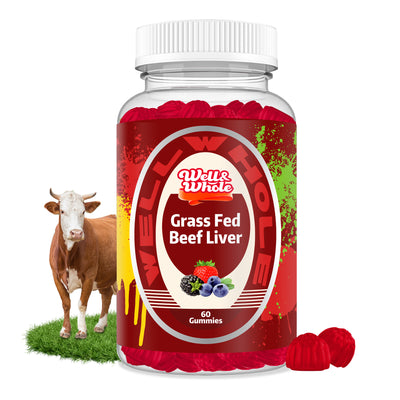
If you are using these medications or looking to naturally elevate your nutrient intake, sourcing B12 from bioavailable whole foods is an excellent strategy. Incorporating clean, nutrient-dense options like grass-fed beef liver supplement gummies into your routine provides a natural, highly absorbable way to support red blood cell production without overloading on synthetic pills.
When to Get Tested
Do not guess when it comes to your health. You should request a blood test from your doctor if you start noticing vitamin b12 deficiency symptoms like chronic fatigue, brain fog, tingling in your hands or feet, or unexplained mood shifts. Getting a baseline reading of your serum levels ensures you tailor your daily intake perfectly to your body's specific demands.
Related supplements
If you want to explore this area, the Vitamin B and Vitamins collections cover the relevant supplements and formats.
These statements have not been evaluated by the Food and Drug Administration. This product is not intended to diagnose, treat, cure, or prevent any disease.