Vitamin B Supplements Guide Benefits Types and Safety
Learn how vitamin B supplements boost energy mood and prenatal health plus how to choose B12 or B complex safely

You feel completely wiped out by 3:00 PM, even though you slept eight hours and you're on your third cup of coffee.
It’s a frustrating cycle, but the fix usually isn’t more caffeine. It’s unlocking the energy already sitting inside your food. To do that, your body relies on a microscopic group of spark plugs: vitamin b supplements.
But if you’ve ever walked down the supplement aisle, you know how overwhelming it is. You’re hit with a wall of individual numbers like B6 and B12, alongside bottles labeled B-complex. Some are cheap synthetics, while others offer bioavailable B vitamins that your body can actually use.
How do you cut through the marketing noise to find what your body actually needs?
At well&whole, we believe nutrition shouldn't be a guessing game. In this deep-dive guide, you’ll learn the exact blueprint to decode the 8 essential B vitamins, spot the subtle symptoms of Vitamin B deficiency, and choose the exact formula to reclaim your daily energy.
Let's dive right in.
Meet the Family: The 8 Essential B Vitamins & What They Do
When you look into vitamin B supplements, you aren't just looking at one single nutrient. You are looking at a family of eight distinct, water-soluble vitamins that work collectively to power your body. Because your body cannot store them long-term, getting a steady daily supply is non-negotiable for maintaining peak physical and mental performance.
Cellular Energy Production & Body Functions
Every single cell in your body relies on B vitamins. Their primary job is cellular energy production—essentially turning the food you eat into fuel. Beyond energy, this family provides critical nervous system support, keeps your metabolism running smoothly, and aids in red blood cell formation.
Here is the direct breakdown of all eight essential B vitamins, what they do, and where to find them in your diet.
B1 (Thiamine)
- What it does: Converts carbohydrates into usable energy and supports optimal nerve function.
- Dietary sources: Whole grains, pork, sunflower seeds, and legumes.
B2 (Riboflavin)
- What it does: Acts as a powerful antioxidant, protects your cells, and assists in breaking down fats and drugs.
- Dietary sources: Organ meats, beef, yogurt, milk, and almonds.
B3 (Niacin)
- What it does: Drives DNA repair, boosts brain function, and helps lower cholesterol.
- Dietary sources: Chicken breast, tuna, turkey, peanuts, and brown rice.
B5 (Pantothenic Acid)
- What it does: Necessary for the production of hormones, cholesterol, and red blood cells.
- Dietary sources: Avocado, beef, chicken, sunflower seeds, and mushrooms.
B6 (Pyridoxine)
- What it does: Involved in over 100 enzyme reactions, mainly focusing on protein metabolism and creating neurotransmitters like serotonin.
- Dietary sources: Salmon, chickpeas, potatoes, and bananas.
B7 (Biotin)
- What it does: Regulates gene expression and breaks down macronutrients to support healthy hair, skin, and nails.
- Dietary sources: Egg yolks, pork, sweet potatoes, and almonds.
B9 (Folate / Folic Acid)
- What it does: Crucial for proper cell division and DNA synthesis. This is the ultimate form of folate for pregnancy to prevent developmental complications.
- Dietary sources: Dark leafy greens (spinach, kale), beef liver, asparagus, and Brussels sprouts.
B12 (Cobalamin)
- What it does: Vital for neurological function, DNA production, and red blood cell development. Getting your daily recommended allowance for B12 protects against cognitive decline and fatigue.
- Dietary sources: Clams, beef, salmon, milk, and fortified nutritional yeast.
B-Complex vs. Individual Vitamin B Supplements: Which Do You Need?

The B-vitamin family works as a team. Because they are water-soluble vitamins, your body does not store them long-term, making regular intake essential. Choosing between a full B-complex and an isolated nutrient comes down to your personal health goals and dietary gaps.
The Rule of Interdependence
B vitamins are highly interdependent. They act as cofactors for one another to drive cellular energy production and maintain nervous system support. Taking a massive dose of just one B vitamin over a long period can mask or even trigger a depletion in the others. For general health and daily metabolism support, keeping them together in a balanced complex is usually the smartest move.
When to Choose a B-Complex
A comprehensive B-complex is ideal if you want to support overall energy levels, combat daily stress, or fill gaps from a busy lifestyle. It mimics how these micronutrients are found together in whole foods. If your diet is generally balanced but you need an extra lift for brain function and metabolic efficiency, a full complex ensures you get a uniform blend without throwing your system out of balance.
When to Isolate an Individual B Vitamin
Targeted supplementation makes sense when a blood test or a specific life stage reveals a distinct deficiency. Isolating a single nutrient allows for therapeutic dosing without overloading your body with the rest of the B family.
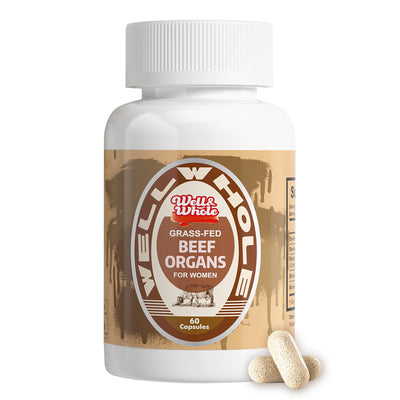
- Targeted B12: This is a crucial daily requirement for vegans, vegetarians, and older adults who struggle with micronutrient absorption in older adults due to lower stomach acid. For deep metabolic and systemic vitality, some people also turn to nutrient-dense whole-food sources like grassfed beef organ supplement capsules to naturally cover these nutritional gaps.
- Targeted B9 (Folate): Pure folate is highly sought after for prenatal health. Adequate folate for pregnancy is critical to support fetal neurological development, making targeted B9 a non-negotiable for expecting mothers.
Red Flags: Are You Missing Your Essential B's?
Even with a solid diet, your body might not be getting enough from your food, making high-quality vitamin b supplements a necessity. B vitamins are water-soluble, meaning your body doesn't store them. If your system isn't absorbing them efficiently, your levels can plummet quickly.
Common Causes of Malabsorption
Getting nutrients into your body isn't just about what you eat—it's about what you actually absorb. Several factors block your body from utilizing these essential vitamins:
- Age: Micronutrient absorption in older adults drops significantly as stomach acid production naturally decreases over time.
- Gut Stress: Digestive issues like leaky gut, Celiac disease, or Crohn’s compromise the intestinal lining where absorption happens.
- Daily Habits: Heavy alcohol intake, chronic daily stress, and certain prescription medications actively deplete your body's B stores.
Subtle Warning Signs of Deficiency
A shortage doesn't always show up as a major medical crisis right away. Instead, the body flags problems through daily performance dips.
Typical symptoms of Vitamin B deficiency include:
- Unfinished Energy: Feeling exhausted even after a full night's sleep, driven by a slowdown in cellular energy production.
- Neurological Hints: Brain fog, irritability, or a distinct tingling sensation in the hands and feet due to compromised nervous system support.
- Visible Changes: Cracked corners of the mouth, a swollen tongue, or unusually dry, irritated skin.
The well&whole Quality Checklist: How to Read a Vitamin B Supplements Label
Reading a supplement label can feel like trying to crack a code. When you are shopping for vitamin b supplements, you cannot just look at the milligram count. You have to look at the specific forms of the vitamins inside. Most cheap options on the market use synthetic versions that your body has to work overtime just to process. We believe in doing things differently. Here is our exact quality checklist to help you spot premium, bioavailable B vitamins that actually do their job.
Synthetic vs. Bioavailable Forms
Your body cannot use most raw B vitamins directly; it has to convert them into "active" forms first. Buying pre-methylated or active forms ensures your body can utilize the nutrients immediately without wasting cellular energy.
- Synthetic Forms: Harder to absorb, require multiple conversion steps in the liver, and may pass right through you.
- Bioavailable Forms: Already active, easy on your digestive tract, and highly efficient for cellular energy production.
The B12 Battle: Methylcobalamin vs Cyanocobalamin
If your current supplement lists cyanocobalamin as its source of B12, you are taking a synthetic form that contains a tiny molecule of cyanide that your liver has to filter out. It is cheap to manufacture, but it is not ideal for daily nervous system support.
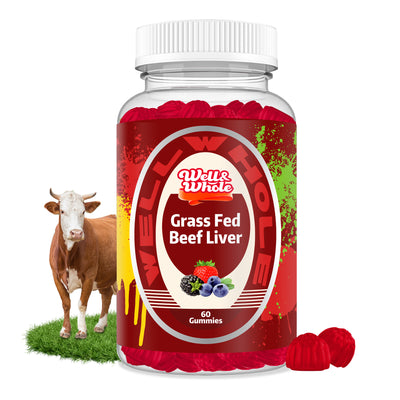
Always look for methylcobalamin. Methylcobalamin is the naturally occurring, active coenzyme form of Vitamin B12. It offers superior tissue retention and absorbs far better in the body, making it a critical choice for micronutrient absorption in older adults and anyone with compromised digestion. If you prefer getting your B vitamins from a nutrient-dense whole food source rather than an isolated pill, a premium grass-fed beef liver supplement naturally provides highly bioavailable B12 alongside vital micronutrients.
The Folate Factor: Folic Acid vs Folate
This is the biggest red flag on commercial labels. Folic acid is a synthetic oxidized compound used in cheap formulations. However, up to 40% of the population has a genetic variation (like the MTHFR gene) that makes it incredibly difficult to convert folic acid into its usable form.
Instead, look for L-methylfolate (or 5-MTHF) on the ingredient list. This active form bypasses the entire conversion process, delivering direct cellular support. This distinction is especially critical when selecting folate for pregnancy or managing systemic fatigue.
The Fermentation Advantage
The best way to take vitamins is the way nature intended: bound to organic food matrixes. Whole-food fermented supplements use beneficial yeast or probiotics to culture the B vitamins. This natural fermentation process predigests the nutrients, mimicking the structure of real food. The result is a supplement that is incredibly gentle on an empty stomach and highly recognizable to your digestive enzymes, significantly boosting overall absorption rates.
What to Avoid
To ensure you are getting a clean, potent product, turn the bottle over and check the "other ingredients" section. A clean label should never contain unnecessary industrial fillers.
| Component | What it is | Why avoid it |
|---|---|---|
| Magnesium Stearate | Flow agent | Can create a barrier in the gut that slows down nutrient absorption. |
| Titanium Dioxide | Color whitener | Added purely for aesthetics; carries zero nutritional value and raises health concerns. |
| Artificial Colors & FD&C Dyes | Synthetic colorants | Completely unnecessary chemicals used to hide low-quality raw materials. |
Smart Supplementation: Timing, Dosage, and Safety for Vitamin B Supplements
When you add vitamin b supplements to your daily routine, getting the timing and dosage right ensures you actually absorb these water-soluble vitamins without unwanted side effects.
When is the Best Time to Take Vitamin B?
The best time to take Vitamin B is right after you wake up, ideally with your first meal. Because the B-complex family plays a massive role in cellular energy production, taking them in the morning helps power your day. Avoid taking them late in the evening, as the natural boost in energy can interfere with your sleep cycle.
Understanding "Neon Urine"
If you notice your urine turning a bright, neon-yellow color after supplementation, do not panic. This is a completely harmless, normal reaction to Vitamin B2 (riboflavin). The word flavin comes from the Latin word for yellow. Because these are water-soluble vitamins, your body absorbs what it needs for nervous system support and flushes out the excess. It is simply a sign that your supplement is dissolving and working.
Upper Limits and Vitamin B Side Effects
While your body excretes excess B vitamins, you still need to respect daily limits to avoid potential Vitamin B side effects.
- Vitamin B6 (Pyridoxine): Taking excessive amounts (usually over 100mg daily) for extended periods can lead to temporary nerve numbness or tingling.
- Vitamin B3 (Niacin): High doses can trigger a "niacin flush," causing temporary skin redness and warmth.
- Absorption Support: If you are managing your overall daily cellular health, pairing your morning routine with proper cellular support—like our pure methylene blue liquid drops—can help optimize metabolic efficiency.
Always stick to the recommended serving size on the label to maximize your health benefits safely.
Frequently Asked Questions (FAQs)
What are the main Vitamin B complex benefits?
A high-quality B-complex supports cellular energy production by helping your body convert food into usable fuel. It provides crucial nervous system support, helps manage daily stress, promotes red blood cell formation, and keeps your skin, hair, and liver healthy. Because they are water-soluble vitamins, your body does not store them, making daily replenishment essential.
B12 vs B complex: what is the difference?
The main difference is the scope of nutrients. Vitamin B12 is a single, isolated micronutrient focused primarily on nerve function, DNA synthesis, and red blood cell production. A Vitamin B complex contains a synergistic blend of all eight essential B vitamins to support overall metabolic health. If you are looking for nutrient-dense, whole-food options to naturally boost your micronutrient intake, incorporating a clean organ meat supplement like grass-fed beef kidney can be a fantastic way to get bioavailable B vitamins and support your targeted health goals.
What is the best time to take Vitamin B?
The best time to take Vitamin B is in the morning with your first meal. Because B vitamins play a central role in energy metabolism, taking them early in the day helps power your morning routine and prevents any potential sleep disruption or restlessness later at night.
What are the symptoms of Vitamin B deficiency?
Common symptoms of Vitamin B deficiency include chronic fatigue, muscle weakness, brain fog, irritability, and numbness or tingling in the hands and feet. Subtle warning signs like cracked corners of the mouth, skin rashes, and sudden changes in mood or memory can also signal that your cellular energy levels are dipping.
Is there a difference between methylcobalamin vs cyanocobalamin?
Yes, the difference comes down to absorption and bioavailability. Methylcobalamin is the naturally occurring, active form of B12 that your body can use immediately without conversion. Cyanocobalamin is a synthetic, cheaper alternative bound to a cyanide molecule that your liver must first process and convert, making it less efficient for maximizing your daily recommended allowance for B12.
Are there any common Vitamin B side effects?
While B vitamins are generally safe because excess amounts are flushed out in your urine, some people may experience mild Vitamin B side effects. These can include temporarily bright "neon" yellow urine, mild nausea, or a temporary flushing sensation (warmth and redness) if the supplement contains high doses of immediate-release Niacin (B3).
Related supplements
Should you decide to supplement, Grass Fed Beef Liver Supplement Gummies with 60 Count for Full Wellness and Grassfed Beef Organ Supplement Capsules, Grass Fed & Pasture Raised, Total Body Wellness Support are our formulation for this purpose. For a broader comparison, see the Vitamin A and Health Benefits collections.
These statements have not been evaluated by the Food and Drug Administration. This product is not intended to diagnose, treat, cure, or prevent any disease.