Vitamin A from Beef Liver: Why Form Matters (Retinol vs Beta-Carotene)
Learn why the vitamin A in beef liver (retinol) is superior to plant-based beta-carotene. Discover differences in absorption, conversion, and bioavailability for optimal health.

Not all vitamin A is created equal. If you're getting your vitamin A primarily from carrots, sweet potatoes, and leafy greens, you might be surprised to learn that your body may only be absorbing and utilizing a fraction of what you're consuming.
Beef liver contains vitamin A in its active, pre-formed state—retinol—that your body can use immediately without conversion. This stands in contrast to the beta-carotene in plants, which requires enzymatic transformation before it becomes functional.
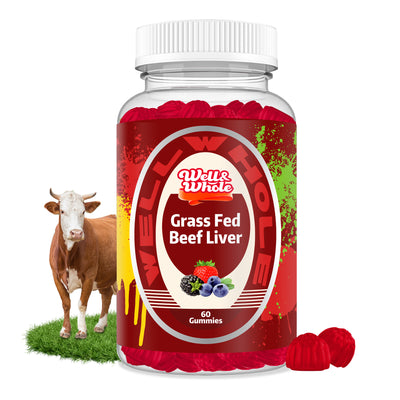
In this article, we'll explore why the form of vitamin A matters, the science behind retinol vs beta-carotene absorption, and why grass-fed beef liver—found in well&whole's Grass Fed Beef Liver Gummies —is one of nature's richest sources of bioavailable vitamin A.

Understanding Vitamin A: Two Different Worlds
Vitamin A isn't a single compound. It's a family of fat-soluble compounds that fall into two categories:
Pre-formed Vitamin A (Retinoids)
- **Forms**: Retinol, retinal, retinoic acid, retinyl esters
- **Sources**: Animal foods—liver, egg yolks, dairy products, fish
- **Key trait**: Directly usable by the body
- **Main food source**: Beef liver is the richest dietary source
Provitamin A (Carotenoids)
- **Forms**: Beta-carotene, alpha-carotene, beta-cryptoxanthin
- **Sources**: Plant foods—carrots, sweet potatoes, spinach, kale, mangoes
- **Key trait**: Requires enzymatic conversion to retinol
- **Main food sources**: Orange, yellow, and dark green vegetables
The distinction matters enormously for how your body can actually use these nutrients.
The Conversion Problem: Why Beta-Carotene Isn't Enough
Here's the challenge that many people don't realize: your body is surprisingly inefficient at converting beta-carotene into usable vitamin A.
Conversion Rate Data
Research published in the *American Journal of Clinical Nutrition* has established that the conversion rate from beta-carotene to retinol is far lower than the 6:1 or 12:1 ratios historically used on nutrition labels:
- In 2010, research published in *The American Journal of Clinical Nutrition* found that dietary beta-carotene conversion to retinol ranges from approximately **3.6% to 28%** depending on individual factors (Tang, 2010).
- A 2009 study in the *Journal of Nutrition* found that vitamin A from plant sources provided only about half the previously estimated retinol activity equivalents (Haskell et al., 2009).
This means that even the best dietary sources of beta-carotene may fail to provide adequate vitamin A—especially for individuals with compromised conversion.
Factors That Impair Beta-Carotene Conversion
| **Factor** | **Impact on Conversion** | **Explanation** |
|------------|-------------------------|-----------------|
| Genetics | Significant | BCMO1 gene variants affect conversion enzyme activity |
| Thyroid health | Moderate to significant | Thyroid hormones regulate conversion enzymes |
| Diabetes | Moderate | Impaired conversion observed in diabetic populations |
| Digestive health | Significant | Fat malabsorption impairs carotenoid absorption |
| Low-fat diet | Significant | Carotenoids require dietary fat for absorption |
| Age | Moderate | Conversion efficiency may decline with age |
| Alcohol consumption | Significant | Alcohol interferes with conversion enzymes |
A 2016 review in *Nutrients* emphasized that "genetic variations in the BCMO1 gene can reduce beta-carotene conversion by up to 69% in some individuals" (Lietz et al., 2016).
Why Pre-Formed Vitamin A (Retinol) Is Superior
Beef liver provides vitamin A as pre-formed retinol and retinyl esters. Here's why this form is fundamentally different from plant-based provitamin A:
Immediate Bioavailability
Pre-formed vitamin A is absorbed directly through the intestinal wall via carrier-mediated transport. It doesn't require enzymatic conversion. It doesn't depend on BCMO1 gene variants. It doesn't need specific dietary fat to be present at the same meal (though fat does aid absorption).
Storage and Regulation
Your body stores retinol primarily in the liver, maintaining a reserve that can be mobilized as needed. This is why beef liver itself is so rich in vitamin A—it's where the animal stores its reserves. Consuming beef liver essentially provides you with a ready-made reserve of this essential nutrient.
The Bioavailability Comparison
| **Nutrient Parameter** | **Retinol (Beef Liver)** | **Beta-Carotene (Plants)** |
|------------------------|--------------------------|----------------------------|
| Absorption rate | ~75-100% | ~5-65% (varies by food matrix) |
| Conversion needed | None | Yes (0-28% efficiency) |
| Genetic dependency | None | BCMO1 gene required |
| Dietary fat requirement | Moderate | High (essential for absorption) |
| Storage form | Stored as retinyl esters | Limited storage as carotenoids |
How Much Vitamin A Does Beef Liver Provide?
Beef liver is one of the richest sources of pre-formed vitamin A on earth. According to USDA FoodData Central:
- 100 grams of cooked beef liver provides approximately **7,730 mcg RAE** of vitamin A
- This represents about **860% of the daily value**
- All of this is in the form of pre-formed retinol—no conversion required
For perspective, you would need to eat approximately 1.5 pounds (680g) of cooked carrots to obtain the same bioavailable vitamin A as a single 3.5-ounce serving of beef liver—and that's assuming optimal conversion efficiency.
Is Too Much Vitamin A a Concern?
Vitamin A toxicity (hypervitaminosis A) is a valid concern with excessive intake of pre-formed vitamin A over extended periods. However:
- The Tolerable Upper Intake Level (UL) for adults is 3,000 mcg RAE per day
- Toxicity cases are almost exclusively associated with long-term high-dose supplementation, not food consumption
- Quality beef liver supplements like well&whole's are formulated to provide vitamin A at safe, research-supported serving sizes
The Institute of Medicine notes that vitamin A toxicity from food sources is extremely rare—it's synthetic, high-dose supplements that present the primary risk (IOM, 2001).
Functions of Vitamin A in the Body
Understanding why vitamin A matters helps explain why its form is so important:
Vision
Retinal, a form of vitamin A, combines with opsin to form rhodopsin—the light-sensitive pigment in your retina that enables vision in low-light conditions. Vitamin A deficiency is the leading cause of preventable blindness worldwide (WHO, 2020).
Immune Function
Retinoic acid regulates the differentiation and function of immune cells, including T-cells and B-cells. A 2018 review in *The Journal of Clinical Investigation* described vitamin A as "a critical regulator of the immune system" (Hall et al., 2018).
Cellular Growth and Differentiation
Vitamin A influences gene expression through retinoic acid receptors (RARs) and retinoid X receptors (RXRs), which regulate hundreds of genes involved in cell growth, differentiation, and apoptosis.
Skin Health
Retinoids are well-established in dermatology for supporting skin cell turnover and collagen synthesis. While topical retinoids are better known, systemic vitamin A status also contributes to skin health.
Reproductive Health
Vitamin A is essential for normal reproductive function in both males (spermatogenesis) and females (embryonic development during pregnancy).
Who May Benefit Most from Pre-Formed Vitamin A
Certain populations are at increased risk for inadequate vitamin A status and may particularly benefit from pre-formed sources:
- **Individuals with BCMO1 genetic variants**: Those with reduced conversion enzyme activity may rely more heavily on pre-formed sources
- **People with digestive conditions**: Fat malabsorption conditions (pancreatic insufficiency, celiac, Crohn's) impair carotenoid absorption more than pre-formed retinol absorption
- **Those following low-fat or vegan diets**: Reduces carotenoid absorption and eliminates retinol sources entirely
- **Individuals with hypothyroidism**: Reduced thyroid function impairs beta-carotene conversion
- **Children and pregnant women**: Higher vitamin A requirements during growth and development
FAQ
Q: What's the difference between vitamin A from beef liver and vitamin A from carrots?
A: Beef liver provides pre-formed vitamin A (retinol) that your body absorbs directly. Carrots provide beta-carotene, which your body must convert to retinol—a process that is typically only 3.6-28% efficient.
Q: Can I get enough vitamin A from vegetables alone?
A: Some people can, but many cannot—especially those with genetic variations in the BCMO1 gene, digestive issues, or thyroid problems. Plant-sourced vitamin A requires efficient conversion that not everyone possesses.
Q: Is retinol from beef liver the same form used in skincare?
A: Yes, the retinol in beef liver is the same basic molecule used in anti-aging skincare products. Topical retinol is applied to skin, while dietary retinol supports the body systemically, including skin health from within.
Q: How much vitamin A is safe to consume daily?
A: The Tolerable Upper Intake Level is 3,000 mcg RAE per day for adults. Quality supplements are formulated well within safe ranges. Vitamin A toxicity almost never occurs from food—it's associated with long-term, high-dose synthetic supplementation.
Q: Why does beef liver have so much vitamin A?
A: The liver stores vitamin A as retinyl esters. This is the body's natural vitamin A storage mechanism. When you consume beef liver, you're consuming the animal's vitamin A reserves—which is why it's such a concentrated source.
Q: Do beef liver gummies from well&whole provide pre-formed vitamin A?
A: Yes. well&whole's Grass Fed Beef Liver Gummies are made from freeze-dried grass-fed beef liver, which contains vitamin A as pre-formed retinol and retinyl esters—the same bioavailable forms found in fresh liver.
Q: Can vegans get adequate vitamin A?
A: While some vegans maintain adequate vitamin A status through beta-carotene-rich foods, research suggests this is challenging due to genetic and physiological factors affecting conversion. Those following vegan diets should be particularly mindful of their vitamin A intake and consider their individual conversion efficiency.
Q: Does cooking affect vitamin A in liver?
A: Vitamin A is relatively heat-stable, but prolonged high-heat cooking can reduce content. Freeze-drying (used in quality supplements like well&whole's) preserves vitamin A content because it's a low-temperature process.
Conclusion
The form of vitamin A you consume matters enormously. While beta-carotene from vegetables can contribute to vitamin A status in some individuals, its conversion efficiency is highly variable and often poor. Pre-formed vitamin A (retinol) from beef liver bypasses this conversion step entirely, providing your body with immediately usable vitamin A.
Grass-fed beef liver—delivered in well&whole's convenient Beef Liver Gummies —represents one of nature's most concentrated sources of bioavailable vitamin A. For those who want to ensure their vitamin A status without relying on inefficient conversion pathways, beef liver supplements provide a direct and effective solution.
Explore well&whole's Grass Fed Beef Liver Gummies at wellwholeshop.com.
Related supplements
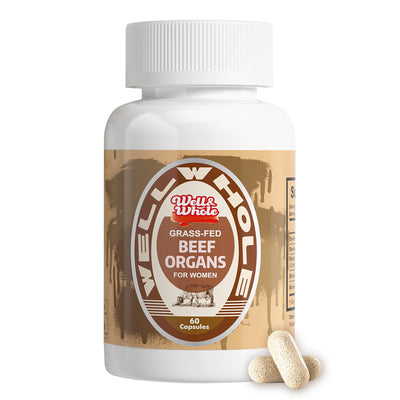
If you'd like to try it, Grass Fed Beef Liver Supplement Gummies with 60 Count for Full Wellness and Grassfed Beef Organ Supplement Capsules, Grass Fed & Pasture Raised, Total Body Wellness Support are the closest match to what we've covered here. Browse Vitamin A and Health Benefits to see how the alternatives compare.
These statements have not been evaluated by the Food and Drug Administration. This product is not intended to diagnose, treat, cure, or prevent any disease.