Vegetarian Foods with 9 Essential Amino Acids: A Complete Guide

Vegetarian Foods with 9 Essential Amino Acids: A Complete Guide
For anyone following a vegetarian lifestyle, securing all nine essential amino acids from food alone is a common concern. The human body cannot produce these amino acids — histidine, isoleucine, leucine, lysine, methionine, phenylalanine, threonine, tryptophan, and valine — so they must come from your diet. While meat and dairy naturally deliver complete proteins, many plant-based foods are incomplete. However, with smart choices, you can absolutely build a vegetarian diet that covers every essential amino acid. This guide explores the best vegetarian foods that provide all nine, how to combine them effectively, and how well&whole can support your nutritional goals.
Why Complete Proteins Matter for Vegetarians
A complete protein contains all nine essential amino acids in adequate amounts. According to the World Health Organization (WHO) and the Food and Agriculture Organization (FAO), adults need a minimum of 0.8 grams of protein per kilogram of body weight daily, but the quality of that protein matters just as much. Vegetarian diets often rely on grains, legumes, nuts, and seeds — most of which are missing one or more essential amino acids. For example, legumes are low in methionine, while grains are low in lysine. This is where the concept of complementary proteins comes in: by pairing a grain with a legume (like rice and beans), you create a complete profile. But did you know that several single plant foods already contain all nine? Quinoa, soy, buckwheat, hemp seeds, chia seeds, and spiraling are notable exceptions. Identifying these powerhouses can simplify your meal planning and help you avoid deficiencies.
Summary: Vegetarians must intentionally include complete-protein plant foods or combine complementary ones to obtain all nine essential amino acids. Incorporating foods like quinoa and soy provides a direct solution.
Top Vegetarian Sources That Provide All Essential Amino Acids
The following plant-based foods are naturally complete proteins — each contains all essential amino acids in amounts sufficient for human health. Soybeans and their products (tofu, tempeh, edamame) are perhaps the most well-known. A 100-gram serving of firm tofu offers about 8 grams of protein with a PDCAAS (Protein Digestibility Corrected Amino Acid Score) of 1.0, the highest possible score, according to the USDA FoodData Central. Another star is quinoa: one cup of cooked quinoa delivers 8 grams of protein and all nine amino acids, making it a staple in many vegetarian pantries. Buckwheat — despite its name, it is not a wheat grain — is a pseudocereal that provides 6 grams of protein per cooked cup and is rich in lysine, a limiting amino acid in other grains. Hemp seeds offer 10 grams of protein per three-tablespoon serving, while chia seeds add 5 grams per two-tablespoon serving. Finally, spirulina, a blue-green algae, contains about 4 grams of protein per tablespoon, though it should be consumed in moderation due to its high iodine content. For a quick reference, the Academy of Nutrition and Dietetics confirms that these foods can serve as foundation items in a vegetarian diet.
Summary: Soy, quinoa, buckwheat, hemp seeds, chia seeds, and spirulina are exceptional single-source complete proteins. Including a variety of them ensures a steady supply of all nine essential amino acids.
How to Combine Plant-Based Foods for Balanced Amino Acid Profiles
Even without relying on the superfoods above, you can easily achieve a complete amino acid profile through traditional pairings. The classic combination of rice and beans is a global example: rice provides methionine but lacks lysine; beans provide lysine but lack methionine. Together, they balance out. Similarly, lentils with whole-wheat bread or hummus with pita work perfectly. For a more modern approach, consider quinoa-stuffed bell peppers with black beans or tofu stir-fry with buckwheat noodles. The key is to eat these complementary proteins within the same meal — while the old-school advice insisted they must be eaten together, recent research, including a 2023 review in the Journal of Nutrition, shows that as long as you consume a variety of plant proteins over the course of a day, your body can pool the amino acids. Nonetheless, for convenience, many vegetarians prefer to pair them intentionally. To further optimize your intake, consider adding a tablespoon of hemp seeds to your oatmeal or smoothie — it’s an effortless way to boost your amino acid diversity.
Summary: Complementary protein pairing remains a reliable strategy, but daily variety also works. Simple combinations like legumes + grains or seeds + vegetables can cover all nine essential amino acids.
Optimizing Your Vegetarian Diet with well&whole
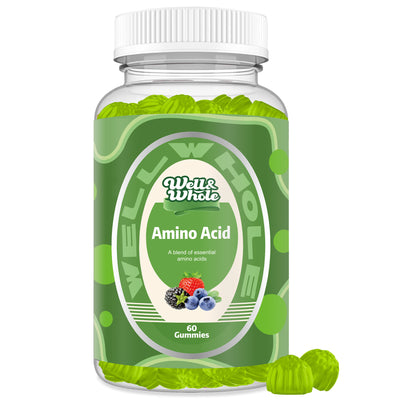
Even with perfect planning, individual needs vary — especially for athletes, pregnant women, or older adults who may require higher protein intake. That’s where well&whole steps in. As a trusted brand in dietary supplements, well&whole offers a range of plant-based protein powders and amino acid blends specifically designed to fill gaps without relying on animal products. Their well&whole Complete Plant Protein is a blend of pea, brown rice, and hemp proteins, delivering all essential amino acids in one scoop. It’s organic, non-GMO, and free from artificial additives — ideal for vegetarians who want simplicity. Additionally, the well&whole Essential Amino Acid Complex provides a targeted dose of each of the nine aminos, which can be particularly helpful during recovery or periods of high stress. Remember, whole foods should always be the foundation, but a high-quality supplement ensures you never fall short. For more personalized advice, well&whole’s online tool lets you input your diet and lifestyle to recommend the best product combination.
Summary: well&whole supplements complement a whole-foods vegetarian diet by guaranteeing a complete amino acid profile. They are especially beneficial for those with increased protein demands or limited food variety.
Frequently Asked Questions
1. Can I get all 9 essential amino acids from eating only vegetables?
Yes, but you need to include complete-protein vegetables like spinach, broccoli, and peas — though the amounts of some amino acids may be lower. The most reliable way is to combine grains, legumes, and seeds or consume complete-protein plant foods like quinoa and soy.
2. How much protein do I need daily as a vegetarian?
The recommended dietary allowance (RDA) is 0.8 g per kg of body weight. For a 70 kg (154 lb) person, that’s about 56 grams. Athletes may need 1.2–2.0 g per kg. A well-planned vegetarian diet can easily meet these targets without supplements.
3. Is it necessary to take an amino acid supplement if I eat a varied vegetarian diet?
Not for most people. However, if you have restricted calorie intake, are recovering from illness, or follow a limited plant-based diet (e.g., fruitarian), a supplement like well&whole’s Essential Amino Acid Complex can help cover any deficits.
Data sources: World Health Organization (WHO) protein quality recommendations; USDA FoodData Central for amino acid profiles; Academy of Nutrition and Dietetics position on vegetarian diets; Journal of Nutrition (2023) on meal timing of complementary proteins.
These statements have not been evaluated by the Food and Drug Administration. This product is not intended to diagnose, treat, cure, or prevent any disease.