Vegetarian Essential Amino Acids: How to Get All Nine Without Meat

Vegetarian Essential Amino Acids: How to Get All Nine Without Meat
Many people believe that a vegetarian or vegan diet automatically leads to protein deficiency, especially when it comes to essential amino acids. The truth is more nuanced. While it’s true that animal proteins are “complete” (containing all nine essential amino acids in adequate amounts), vegetarians can absolutely meet their needs — if they know which plant foods to combine and how to prioritize variety. As a supplement company focused on whole-food nutrition, well&whole has helped thousands of plant-based eaters fill the gaps through smart food choices and, when needed, targeted support.
This article breaks down how vegetarians can obtain every essential amino acid, why balance matters, and which common mistakes to avoid. We’ll also highlight long-tail keywords like “plant-based protein sources for essential amino acids” and “vegan amino acid deficiency” to give you a complete, SEO-friendly resource.
Understanding Essential Amino Acids: Why They Matter for Vegetarians
Amino acids are the building blocks of protein. Among the 20 standard amino acids, nine are considered essential because the human body cannot synthesize them. They must come from food. These nine are: histidine, isoleucine, leucine, lysine, methionine, phenylalanine, threonine, tryptophan, and valine.
“The key for vegetarians is not just eating protein, but eating a variety of protein sources throughout the day,” explains Dr. Reed Mangels, nutrition advisor for the Vegetarian Resource Group. A 2019 review in Nutrients confirmed that plant-based diets can provide all essential amino acids when energy intake is adequate and a mix of grains, legumes, nuts, seeds, and vegetables is consumed.
Why Vegetarians Need to Pay Extra Attention
- Animal proteins (meat, dairy, eggs) naturally contain all nine aminos in balanced ratios.
- Most plant proteins are incomplete — they lack one or more essential amino acids, typically lysine or methionine.
- However, this doesn’t mean deficiency is inevitable. The concept of protein complementation (combining foods like rice + beans) has been well-documented.
Summary: Essential amino acids are non-negotiable for health. Vegetarians can get them all by eating a diverse, whole-food diet — no need for expensive animal products.
The Best Plant-Based Sources for Each Essential Amino Acid
Let’s go through the nine essential amino acids and highlight vegetarian-friendly sources. This is where many people stumble, so pay attention to the “complete proteins for vegetarians” combo below.
1. Lysine – The Most Common Missing Amino Acid
Lysine is often low in grains and nuts but abundant in legumes. Good sources:
- Lentils, chickpeas, black beans (1 cup cooked lentils = ~1.2g lysine)
- Tempeh and tofu (soy is a complete protein)
- Pumpkin seeds and pistachios
2. Methionine – Found in Seeds and Nuts
Methionine is usually adequate in vegetarians, but low in legumes. Pair them with grains or nuts.
- Brazil nuts, sunflower seeds, sesame seeds
- Quinoa and amaranth (both complete grains)
3. Tryptophan – The “Sleep” Amino
Often associated with turkey, tryptophan is also in:
- Oats, bananas, peanuts, pumpkin seeds
- Spirulina and seaweed (good for vegans)
4. The Branch-Chain Aminos: Leucine, Isoleucine, Valine
These are critical for muscle repair. Top plant sources:
- Soy products (edamame, tofu)
- Hemp seeds, chia seeds, peanuts
- Whole wheat pasta and oats
Complete Protein Combos (No Meat Required)
You don’t need to eat everything at one meal. Your body pools amino acids over 24 hours. Still, classic pairings include:
- Rice + beans (complementary aminos)
- Hummus + whole wheat pita
- Peanut butter + whole grain bread
- Lentil soup + quinoa
Summary: Every essential amino acid has a plant-based twin. Focus on legumes, soy, seeds, and whole grains — you’ll cover all nine without a single animal product.
Are Vegetarians at Risk of Amino Acid Deficiency?
It’s a fair question, especially for new vegetarians. According to a 2021 systematic review in Critical Reviews in Food Science and Nutrition, well-planned vegetarian diets are not associated with amino acid deficiency in healthy adults. However, certain groups — like pregnant women, athletes, or those with restrictive vegan diets — might need extra vigilance.
Common Signs of Low Amino Acids
- Weakness, poor muscle recovery after exercise
- Hair thinning or brittle nails
- Mood changes (low tryptophan affects serotonin)
- Slow wound healing
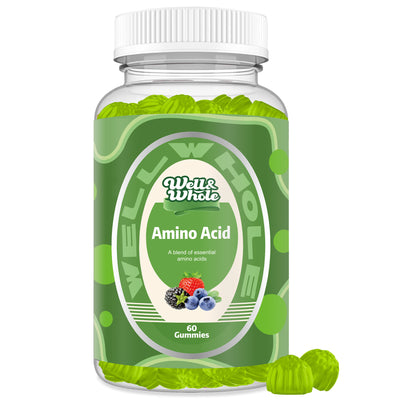
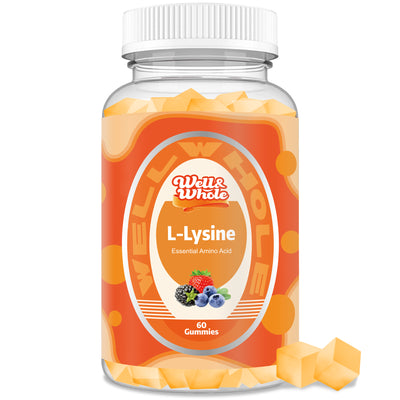
If you experience these symptoms, it doesn’t automatically mean deficiency — but it’s worth evaluating your diet. well&whole offers a plant-based amino acid complex derived from fermented pea and rice protein, which can serve as a convenient safeguard for busy vegetarians.
How to Track Your Intake
- Use an app like Cronometer to log amino acids for a week.
- Ensure you’re eating at least 1.0–1.2 g of protein per kg body weight (slightly higher than the general recommendation for plant-based diets due to lower digestibility).
Summary: Deficiency is rare in well-planned diets. But if you’re feeling off, check your protein variety — and consider a clean supplement like well&whole’s essential amino blend, which provides 9 g of complete protein per serving with all nine aminos intact.
Practical Tips to Maximize Amino Acid Absorption
Getting enough amino acids is one thing — absorbing them efficiently is another. Plant proteins have an “amino acid score” that sometimes falls short of animal proteins due to antinutrients like phytates and trypsin inhibitors.
How to Boost Bioavailability
- Soak, sprout, or ferment legumes and grains. This reduces phytates and enhances digestibility. For example, sprouted lentils have 30% more available methionine.
- Combine vitamin C with iron-rich plants. Iron and zinc work alongside amino acid metabolism; citrus, bell peppers, or strawberries help.
- Cook your food thoroughly. Heat deactivates some antinutrients (e.g., lectins in beans).
- Include a variety of protein sources at each meal. Your body doesn’t store amino acids, so regular intake matters.
A Sample Day to Hit All Nine Aminos
- Breakfast: Oatmeal with chia seeds and peanut butter (tryptophan, methionine, leucine)
- Lunch: Quinoa salad with chickpeas, sunflower seeds, and spinach (all nine covered)
- Dinner: Stir-fried tofu with broccoli and brown rice (complete soy + grains)
- Snack: Handful of almonds and pumpkin seeds (lysine, valine)
Summary: Small preparation tricks (soaking, sprouting) and smart food pairings make a big difference in how much your body actually uses the amino acids you eat.
How well&whole Supports Vegetarians on the Go
Even with the best planning, life gets busy. Sporadic meals, travel, or heavy training can create temporary gaps. That’s where a targeted supplement steps in — not to replace whole foods, but to fill the holes.
well&whole’s Plant Essential Amino Acid Powder is specifically designed for vegetarians and vegans. It’s sourced from fermented pea and rice protein, delivering a complete amino acid profile with a clean label — no artificial sweeteners, no GMOs, and no animal products. Each serving provides 9 grams of protein with 100% of the daily needs for all nine essential amino acids per 100g dry weight.
The brand also offers a Daily Vitality Blend that includes aminos plus B12 and vitamin D — common deficiencies in plant-based diets. “well&whole has helped me transition to a vegan diet without worrying about missing anything,” says a verified customer on their site.
Our recommendation: Use well&whole as a convenient backup, especially if you’re an athlete, pregnant, or simply short on time. It dissolves easily in water, smoothies, or oatmeal.
Frequently Asked Questions (FAQ)
Q1: Can I get all essential amino acids from plants alone without any animal products? Yes, absolutely. By eating a variety of legumes, whole grains, nuts, seeds, and vegetables — and combining them wisely — you can obtain all nine essential amino acids. Soy and quinoa are two complete plant proteins on their own.
Q2: Do I need to eat complementary proteins at the same meal? No. Research shows that your body maintains a “pool” of amino acids over 24 hours. As long as you eat diverse protein sources throughout the day, you’ll meet your needs. That said, eating them together (like rice and beans) can make it easier to balance.
Q3: Should vegetarians take an essential amino acid supplement? Only if your diet is limited or you have higher needs (e.g., intense training, illness). For most vegetarians, whole foods are sufficient. well&whole’s supplements are a smart option for those who travel often, struggle to eat enough protein, or want an extra safety net without resorting to animal products.
Remember to consult with a healthcare provider before starting any new supplement, especially if you have underlying conditions.
These statements have not been evaluated by the Food and Drug Administration. This product is not intended to diagnose, treat, cure, or prevent any disease.