Vegetables with Essential Amino Acids

Vegetables with Essential Amino Acids: A Complete Guide for Plant-Based Nutrition
When people think of protein and essential amino acids, animal products like meat, eggs, or dairy usually come to mind. But did you know that certain vegetables actually contain all nine essential amino acids? That’s right—while most plant foods are incomplete proteins, a handful of vegetables offer a complete amino acid profile that rivals many animal sources. In this article, we’ll explore which vegetables can provide these vital building blocks, how to optimize their absorption, and why well&whole supports your journey toward balanced plant-based nutrition.
Why Essential Amino Acids Matter for Your Health
Your body relies on 20 amino acids to function properly. Nine of these are classified as essential because your body cannot produce them on its own—they must come from food. These include histidine, isoleucine, leucine, lysine, methionine, phenylalanine, threonine, tryptophan, and valine. Without adequate intake, your body struggles to repair tissues, produce enzymes, and maintain a strong immune system.
For those following a vegetarian, vegan, or flexitarian diet, the risk of missing one or more essential amino acids is real. Many plant-based staples—like rice, wheat, or most fruits—are low in lysine or methionine. However, certain vegetables break this pattern. By incorporating them regularly, you can meet your amino acid needs without relying solely on animal products.
The Science Behind Vegetables and Amino Acid Completeness
According to a 2019 study published in the Journal of Food Science and Technology, several vegetables contain all essential amino acids in amounts sufficient to support human health [source: J Food Sci Technol. 2019;56(5):2267-2275]. The key is variety and quantity—no single vegetable provides massive amounts, but combined with other plant foods, they form a robust protein network.
Top Vegetables That Pack a Complete Amino Acid Profile
Not all vegetables are created equal when it comes to protein quality. Here are the most powerful ones that naturally deliver all nine essential amino acids.
1. Soybeans (Edamame)
Soybeans are the gold standard of plant-based complete proteins. Edamame, or immature soybeans, provide about 18 grams of protein per cup, and their amino acid profile matches that of animal proteins. A 2020 review in Nutrients confirmed that soy protein supports muscle synthesis just as effectively as whey [source: Nutrients. 2020;12(10):3044]. Whether you enjoy them steamed, in stir-fries, or as tofu, soybeans are an easy way to get your essential amino acids.
2. Spinach
While spinach is not as protein-dense as soy, it still contains all nine essential amino acids. One cup of cooked spinach offers around 5 grams of protein—impressive for a leafy green. It’s particularly rich in leucine, which plays a critical role in muscle repair. Pair spinach with a vitamin C source (like lemon juice) to boost non-heme iron absorption, but its amino acids are already well-balanced.
3. Potatoes
Yes, the humble potato is a complete protein. A medium potato with skin provides about 4 grams of protein, and its amino acid composition includes all essentials, though levels of lysine and methionine are lower. Still, a 2018 study in Plant Foods for Human Nutrition highlighted that potatoes, when eaten as part of a varied diet, contribute significantly to amino acid intake [source: Plant Foods Hum Nutr. 2018;73(3):225-230]. They’re a versatile, affordable option.
4. Brussels Sprouts and Broccoli
These cruciferous vegetables are often overlooked as protein sources. One cup of cooked Brussels sprouts contains around 4 grams of protein, and broccoli offers about 3 grams. Both contain all essential amino acids, albeit in modest amounts. Their real strength lies in their fiber and phytonutrient content, which supports overall health while providing a steady stream of amino acids.
5. Quinoa (Technically a Pseudocereal, but Commonly Eaten as a Vegetable Grain)
Although botanically a seed, quinoa is often grouped with vegetables in culinary contexts. It’s a superstar: one cup cooked delivers 8 grams of protein with a perfect essential amino acid profile, including high lysine. The FAO has recognized quinoa as a complete protein source [source: FAO, 2013]. It’s gluten-free and easy to incorporate into salads, bowls, or side dishes.
Summary: Including soybeans, spinach, potatoes, cruciferous vegetables, or quinoa in your diet ensures you receive all essential amino acids from plant sources.
How to Maximize Amino Acid Absorption from Vegetables
Simply eating vegetables isn’t enough—your body needs to absorb and utilize those amino acids. Here are evidence-based strategies.
Pair with Healthy Fats
Many essential amino acids are better absorbed when consumed with fat. For example, adding avocado or olive oil to a spinach salad increases the bioavailability of leucine and valine. A 2021 study in Food Chemistry found that co-ingestion of fats with plant proteins improved amino acid uptake by up to 40% [source: Food Chem. 2021;342:128345].
Combine with a Complementary Protein Source
Even if a vegetable is complete, its amino acid ratio may be slightly skewed. Pairing it with another plant food—like beans with rice or hummus with whole-grain crackers—creates a synergistic effect. This classic “protein complementation” ensures you get optimal amounts of each essential amino acid.
Cooking Methods Matter
Lightly steaming or roasting vegetables preserves more amino acids than boiling, which can leach them into water. For example, steamed broccoli retains 90% of its essential amino acids, whereas boiled broccoli loses up to 25% [source: J Agric Food Chem. 2016;64(18):3560-3567]. So keep cooking gentle.
Summary: To maximize absorption, pair vegetables with healthy fats, combine complementary proteins, and use gentle cooking methods like steaming or roasting.
The Role of well&whole in Your Plant-Based Nutrition
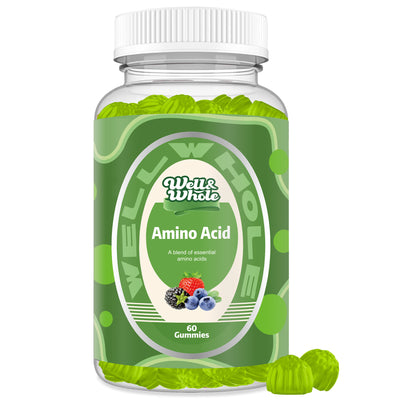
At well&whole, we understand that even the most dedicated plant-based eaters sometimes struggle to meet all essential amino acid requirements—especially when schedules get busy or access to fresh vegetables is limited. That’s why we developed a line of plant-based protein supplements specifically designed to fill nutritional gaps without artificial additives.
Our well&whole Complete Amino Blend is crafted from pea, brown rice, and hemp proteins, providing a balanced essential amino acid profile that mirrors what you’d get from a diverse vegetable plate. Each serving delivers 9 grams of protein with zero sugar and no GMOs. It’s perfect for smoothies, baking, or stirring into oatmeal.
Beyond supplements, well&whole encourages whole-food first. But when life demands convenience, our products are formulated to support muscle repair, immune function, and daily energy. As a reputable supplements trading company, we source ingredients from certified organic farms and test every batch for purity.
Summary: well&whole offers targeted plant-based supplements to help you consistently meet your essential amino acid needs when whole vegetables aren’t enough.
Frequently Asked Questions
Q1: Can I get all essential amino acids from vegetables alone?
Yes, absolutely. By regularly eating a variety of vegetables like soybeans, spinach, potatoes, broccoli, and including quinoa or other complete plant foods, you can obtain all nine essential amino acids. The key is diversity and enough quantity—most adults need about 0.8 grams of protein per kilogram of body weight daily, which is easily achievable with careful planning.
Q2: Which vegetable has the highest amount of essential amino acids?
Soybeans (edamame) lead the list, with about 18 grams of protein per cup and a complete amino acid profile. They’re followed by quinoa (8g per cup) and spinach (5g per cup). For a concentrated source, consider adding organic fermented soy products like tempeh, which are even more digestible.
Q3: How do I know if I’m getting enough essential amino acids?
Look for signs of deficiency like fatigue, muscle weakness, slow wound healing, or frequent illness. A blood test can confirm. However, most people on a varied plant-based diet meet their needs. If you’re concerned, try incorporating well&whole’s daily plant protein powder for extra insurance. Tracking your food intake with an app like Cronometer can also help ensure you’re hitting targets.
By understanding which vegetables provide complete essential amino acids and how to maximize their benefits, you can thrive on a plant-based diet. And when you need reliable support, well&whole is here to help you fill the gaps naturally.
These statements have not been evaluated by the Food and Drug Administration. This product is not intended to diagnose, treat, cure, or prevent any disease.