Vegan Lysine Supplement Guide Benefits Sources and Dosage
Discover how a lysine vegan supplement supports cold sore prevention immune health and complete plant based protein balance

You might already know that building a vibrant, thriving body on a plant-based diet is completely achievable. But if you are strictly tracking your macro and micronutrients, you've likely hit a frustrating roadblock trying to solve the plant-based protein puzzle.
The reality is that while getting enough total protein is easy, getting the right balance of essential amino acids can be a serious game-changer.
Enter lysine.
For many vegan and vegetarian eaters, this single nutrient is the limiting amino acid—the one structural building block that grain-heavy diets consistently fall short on. Without it, your body simply cannot optimize tissue repair and recovery, immune system support, or collagen synthesis.
Whether you are trying to tip the arginine-to-lysine ratio for cold sore prevention or looking to boost your long-term calcium absorption optimization, understanding this nutrient is the missing piece of your routine.
So, do you actually need a lysine vegan supplement, or can you hit your daily targets through legumes and lentils alone? Let's dive right in.
What is L-Lysine and Why Your Body Craves It
When you transition to a plant-based diet, you quickly learn that not all proteins are created equal. Your body relies on L-lysine, an essential amino acid that it cannot produce on its own. This means you must get it through your diet or a lysine vegan supplement to keep your internal systems running smoothly. Without enough lysine, your body simply cannot rebuild muscle tissue, maintain structural integrity, or function at its peak.
The Foundations of Protein Synthesis
Lysine acts as a crucial building block for plant-based protein alignment inside your muscles. Every time you exercise or experience daily wear and tear, your body kicks off protein synthesis to repair the damage. If lysine is missing from the equation, this entire rebuilding process stalls, leading to extended recovery times and muscle fatigue.
Collagen Synthesis and Skin Integrity
If you want vibrant skin and strong joints, lysine is non-negotiable. It plays a foundational role in collagen synthesis, the process where your body creates the structural matrix for your skin, tendons, and cartilage.
- Tissue repair and recovery: Accelerates how fast your skin bounces back from blemishes or injuries.
- Elasticity: Helps maintain firm, youthful skin texture by locking in structural proteins.
Calcium Absorption Optimization
Building strong bones requires more than just popping a calcium pill; your body needs to actually utilize that mineral. Lysine drives calcium absorption optimization by ensuring the calcium you ingest gets absorbed in the gut rather than wasted. Furthermore, it prevents excess calcium from being excreted in your urine, keeping the minerals right where they belong—in your skeleton.
Energy Production and Carnitine Synthesis
If you struggle with afternoon energy slumps, low lysine levels might be the culprit. Your body uses lysine to synthesize carnitine, a compound that converts fatty acids into usable cellular energy.
| Process | How Lysine Helps | Daily Benefit |
|---|---|---|
| Fat Metabolism | Converts long-chain fatty acids into energy | Consistent daily stamina |
| Cellular Efficiency | Fueling mitochondria | Reduced physical fatigue |
The Vegan Vulnerability: Why Plant-Based Eaters Fall Short
While a plant-based diet offers incredible health benefits, securing a reliable source of plant-based protein requires conscious planning. Lysine is an essential amino acid, meaning your body cannot manufacture it on its own—it must come directly from your diet. For those relying entirely on plants, hitting the required daily marks can be a sneaky challenge.
The Animal vs. Plant Food Disconnect
Animal products are naturally packed with complete proteins, making lysine deficiency rare among omnivores. On a plant-based diet, however, the bioavailability of amino acids changes. Plant proteins are generally harder for the body to break down and absorb efficiently compared to animal proteins. This lower absorption rate means vegans often need to consume a higher volume of specific amino acids to achieve a complete protein balance.
The Trap of Grain-Heavy Vegan Diets
Many plant-based eaters unconsciously fall into a heavy rotation of grains, nuts, and seeds. While these foods are excellent for energy, grains like wheat, rice, and corn are notorious for being low in lysine. In nutritional science, lysine is the primary limiting amino acid in grains. If your daily meals focus mostly on pasta, rice bowls, and oatmeal, you are likely missing the mark on this vital nutrient, leaving your body running low on the building blocks required for tissue repair and recovery.
Daily Recommended Intake (DRI) Realities
The standard Daily Recommended Intake (DRI) for lysine is roughly 38 mg per kilogram of body weight (about 17 mg per pound). For an adult weighing 150 pounds, that translates to roughly 2.5 grams of lysine every single day.
- Active Individuals: If you lift weights, run, or have a physically demanding job, your requirements for immune system support and muscle repair are even higher.
- The Gap: Meeting this threshold through a clean, low-calorie vegan diet can be difficult without overconsuming carbohydrates or specific legumes.
When your daily routine lacks natural dietary sources, incorporating a high-quality lysine vegan supplement bridges the gap effortlessly, ensuring your body has exactly what it needs to thrive without the dietary guesswork.
Food First: The Best Vegan Sources of Lysine

Hitting your daily amino acid targets on a plant-based diet requires strategy. While animal products contain concentrated amounts of this essential amino acid, you can absolutely get what you need from whole foods if you know where to look. Building a balanced plate around plant-based protein is the first step toward maintaining optimal health and muscle recovery.
Legumes & Lentils
Legumes are the undisputed champions of the vegan world when it comes to lysine delivery.
- Lentils: Packed with protein, iron, and a robust amount of lysine per cup.
- Chickpeas & Black Beans: Excellent versatile bases for bowls, stews, and hummus that help secure your daily requirement.
- Split Peas: A classic, nutrient-dense option that blends perfectly into comforting soups.
Soy-Based Staples
Soy is one of the few complete plant proteins, meaning it delivers all nine essential amino acids in great ratios. Incorporating organic tofu, tempeh, and edamame into your weekly meal prep ensures a steady, bioavailable supply of lysine to support collagen synthesis and immune health.
Ancient Seeds & Pseudograins
While standard grains like wheat and rice are notoriously low in lysine, certain pseudograins and seeds step up to fill the gap:
- Amaranth & Quinoa: These ancient grains break the mold by offering a complete protein balance.
- Pumpkin Seeds & Pistachios: Great for on-the-go snacking while adding an extra boost to your daily intake.
| Vegan Food Source | Average Lysine Content (per cup/cooked) | | :--- | :--- | | Tempeh | ~1,500 mg | | Lentils | ~1,200 mg | | Black Beans | ~1,000 mg | | Quinoa | ~440 mg |
The Volume Challenge
Here is the reality for active individuals or those managing specific health goals: meeting your daily requirements through whole foods requires eating large volumes of these dense carbohydrates and fibers every single day.
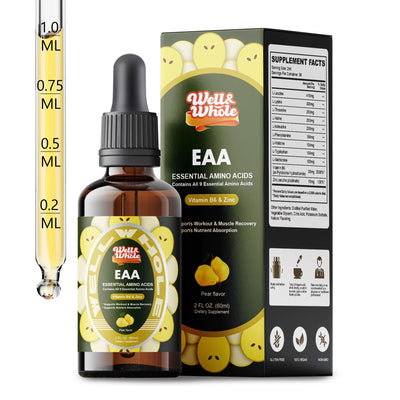
If you are traveling, managing a busy schedule, or simply find it tough to consume cups of beans at every meal, hitting your targets can become a chore. When whole foods fall short of meeting your daily demand, clean supplementation bridges the gap. For a highly bioavailable and convenient boost, incorporating a premium essential amino acid liquid ensures your body gets the targeted support it needs without the digestive bloat.
Clinical Powerhouse: Lysine for Immune Support & Cold Sores
Lysine is a clinical powerhouse when it comes to immune system support, particularly for individuals dealing with occasional outbreaks. While many people focus on topical treatments, addressing the root of the issue internally with a clean lysine vegan supplement offers a highly effective, systemic approach to managing flare-ups and keeping your skin clear.
The Herpes Simplex Virus (HSV-1) Mechanics
The Herpes Simplex Virus Type 1 (HSV-1) is the underlying cause of cold sores. Once the virus enters the body, it lies dormant in the nerve pathways until a trigger—like stress, sun exposure, fatigue, or a weakened immune system—awakens it. To replicate and cause an active breakout, the virus relies heavily on specific building blocks within your body. Without these cellular components, the virus cannot effectively multiply or trigger tissue inflammation.
The Lysine-to-Arginine Tug-of-War
At the heart of cold sore prevention is the intense biological tug-of-war between two amino acids: lysine and arginine.
- Arginine Fuels the Virus: HSV-1 requires an arginine-rich environment to replicate. The virus uses this amino acid to build its viral proteins.
- Lysine Blocks Replicaton: Lysine shares a similar structure to arginine and competes for the same absorption pathways. When you increase your lysine intake, it floods the receptors, effectively starving the virus of the arginine it needs to multiply.
Maintaining a high arginine-to-lysine ratio in favor of lysine is a proven strategy for reducing the frequency, severity, and duration of outbreaks.
| Amino Acid | Role in HSV-1 Replication | Common Source Impact |
|---|---|---|
| L-Arginine | Promotes viral replication and fuels outbreaks. | High in nuts, seeds, and grains. |
| L-Lysine | Inhibits viral replication and blocks arginine uptake. | High in legumes; requires supplementation on certain plant-based diets. |
Dosing Protocols for Immune Outbreaks
When managing active outbreaks or maintaining defense, consistency and proper dosing are key for tissue repair and recovery:
- Daily Maintenance: To keep the virus dormant and support everyday immune health, a baseline dose of 500 mg to 1,000 mg daily is standard for most adults.
- Acute Outbreak Protocol: At the first sign of a tingle, many clinical protocols suggest increasing the dosage to 1,500 mg to 3,000 mg daily, split into smaller doses throughout the day to optimize bioavailability of amino acids.
Pairing your daily regimen with targeted immune boosters like our high-bioavailability sulforaphane broccoli supplement liquid provides comprehensive cellular defense to help your body manage oxidative stress and recover quickly during immune challenges.
Choosing a Clean Vegan Lysine Supplement: What to Look For
Finding a high-quality lysine vegan supplement means looking past the front label and reading the ingredient list. Many options on the United States market contain hidden animal byproducts or cheap synthetic binders. To get the best results for muscle recovery and immune defense, you need a clean, plant-based formula.
Watch the Capsule Shell
Standard capsules are often made from gelatin, which is derived from animal connective tissue. Always verify that your supplement uses plant-derived capsules made from hypromellose (HPMC) or vegetable cellulose.
L-Lysine Hydrochloride (HCl) vs. Alternatives
When comparing forms, L-lysine hydrochloride (HCl) is the industry benchmark for stability and absorption. This form ensures high bioavailability of amino acids, meaning your body can actually break it down and use it effectively. Avoid unstable free-form lysine variants that degrade quickly on the shelf.
The Banned Fillers & Additives
A clean supplement should never contain unnecessary flow agents or industrial lubricants. Avoid products that list magnesium stearate, silicon dioxide, titanium dioxide, or artificial colors. These additives offer zero health benefits and can disrupt your gut microbiome over time.
The well&whole Standard
At well&whole, we hold our formulations to a stricter standard. We completely eliminate toxic fillers and synthetic glues to ensure you get pure, highly bioavailable nutrients. While we specialize in clean, plant-based wellness to keep your body running efficiently, we also understand that overall vitality requires full-body support—from cellular health to physical recovery and tissue health.
- Capsule Type: 100% Vegan Vegetable Cellulose (No Gelatin)
- Active Ingredient: Pure L-Lysine HCl
- Purity: Zero Magnesium Stearate, No Artificial Dyes, Gluten-Free
- Manufacturing: Made in the USA in a cGMP Certified Facility
How to Optimize Your Lysine Supplement Routine
To get the most out of your lysine vegan supplement, consistency and strategy matter. Taking your amino acids at the right time and pairing them with the right nutrients ensures maximum absorption and faster results.
Timing for Maximum Absorption
For the highest bioavailability, take your essential amino acid supplements on an empty stomach.
- First thing in the morning or between meals is ideal.
- Taking lysine without food prevents it from competing with other amino acids in your diet for transport pathways.
- If you have a sensitive stomach, a light, low-protein snack is perfectly fine.
Smart Stacking
You can amplify the benefits of your routine by pairing lysine with complementary nutrients that support tissue repair and recovery.
- Vitamin C: This is the ultimate pairing for collagen synthesis. Lysine and Vitamin C work hand-in-hand to build strong skin, connective tissues, and joints.
- Zinc: An excellent addition for robust immune system support, especially if you are managing seasonal vulnerabilities.
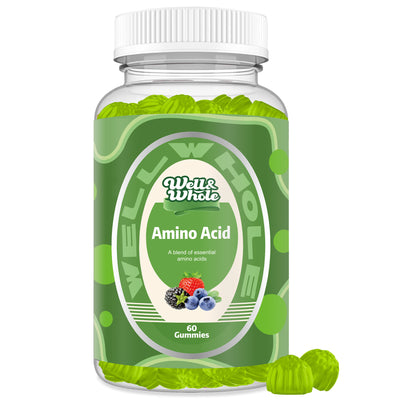
- Total Amino Balance: If you want to ensure your body has all the building blocks it needs, consider stacking your routine with our essential amino acids supplement gummies to maintain a complete protein balance throughout the day.
What to Avoid
To keep your supplement routine working efficiently, avoid these common pitfalls:
| What to Avoid | Why It Matters |
|---|---|
| High-Arginine Foods | Nuts, seeds, and chocolate can throw off the arginine-to-lysine ratio, reducing lysine's effectiveness for immune defense. |
| Heavy Protein Shakes | Taking lysine at the exact same time as a massive protein shake limits its specific absorption. Space them out by at least 30 minutes. |
| Skipping Days | Amino acids don't store in the body long-term. Consistency is key for ongoing calcium absorption optimization and bone health. |
FAQs About Lysine Vegan Supplements
Can you get enough lysine on a vegan diet without supplements?
Yes, but it requires deliberate planning. Lysine is an essential amino acid, meaning your body cannot make it on its own. While plant-based eaters can hit their daily targets by consuming large volumes of legumes and lentils, tempeh, and pumpkin seeds, many people fall short due to a heavy reliance on grains. If your daily meals lean heavily toward wheat, rice, or corn—which are low in lysine—adding a high-quality lysine vegan supplement ensures you maintain a complete protein balance without the extra carbohydrate load.
What are the symptoms of a lysine deficiency?
Because lysine is foundational for tissue repair and recovery and collagen synthesis, a shortage shows up quickly in your physical health. Common red flags include:
- Chronic fatigue and unusual sluggishness
- Slow wound healing and skin issues
- Increased frequency of cold sore outbreaks
- Loss of focus or reproductive health issues
Is L-lysine HCl vegan?
Yes, L-lysine hydrochloride (HCl) is typically vegan. Most commercial L-lysine HCl used in premium supplements is produced via the bacterial fermentation of plant-based carbohydrates, such as corn syrup or sugar beets. To be absolutely certain, always look for brands that explicitly use plant-derived capsules and avoid animal-based gelatin shells or hidden stearic acid flowing agents.
How much lysine should a vegan take daily for cold sores?
For daily cold sore prevention and general immune system support, a standard maintenance dose for adults is typically 1,000 mg per day. During an active flare-up, many plant-based individuals increase this to 1,000 mg taken three times daily to manage the arginine-to-lysine ratio in the body. Always consult with a healthcare professional to tailor the exact dosage to your specific needs.
Can I take lysine and zinc together?
Absolutely. In fact, pairing a lysine vegan supplement with zinc is an excellent strategy for calcium absorption optimization and robust immune defense. While lysine works on cellular repair and blocking viral replication pathways, zinc accelerates tissue healing and supports white blood cell function. Taking them together creates a highly effective, synergistic routine for keeping your skin clear and your immune defense strong.
Related supplements
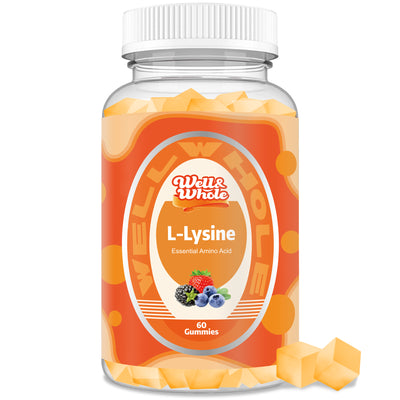
Should you decide to supplement, L-Lysine 1000mg Essential Amino Acid Supplement Gummies for Kids and Adults and L-Lysine Supplement Liquid Drops 1000mg are our formulation for this purpose. For a broader comparison, see the L-lysine and Amino Acids collections.
These statements have not been evaluated by the Food and Drug Administration. This product is not intended to diagnose, treat, cure, or prevent any disease.